SAEDNEWS: When British archaeologist Howard Carter opened the tomb of Egypt’s famous pharaoh, he was met with a breathtaking scene: a royal burial chamber where historical treasures gleamed.
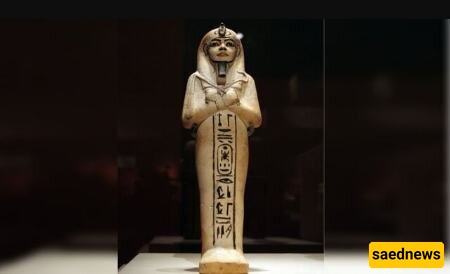
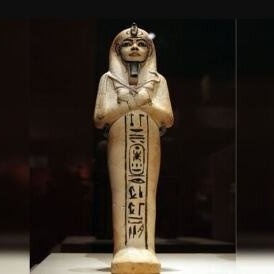
According to Saed News’ society section, ushabtis (or shabtis) were small figurines used in burial rituals in ancient Egypt, forming a key part of these ceremonies. These statuettes were placed as symbolic servants to stand in for Osiris and assist the deceased in the afterlife. The word ushabti translates to “answerer.”
Depending on the social status of the deceased, ushabtis were made from materials such as brick, stone, bronze, wood, or glazed faience in green or blue. They depicted the person in the form of Osiris (mummified) while still wearing their everyday clothes.
The number of ushabtis in a tomb could be quite large, sometimes matching the number of days in a year. Tutankhamun’s tomb contained 430 of these figures. The Louvre houses a collection of 4,200 ushabtis, representing one-tenth of all ancient Egyptian artifacts held in the museum. Most figurines carry a hoe over one shoulder and a basket on their back, suggesting that they were intended to farm on behalf of the deceased.
Ushabtis also bore inscriptions in hieroglyphs, declaring their readiness to answer the gods’ summons to perform work in the afterlife.