SAEDNEWS: A German Tourist Settles in a Village in Mahabad
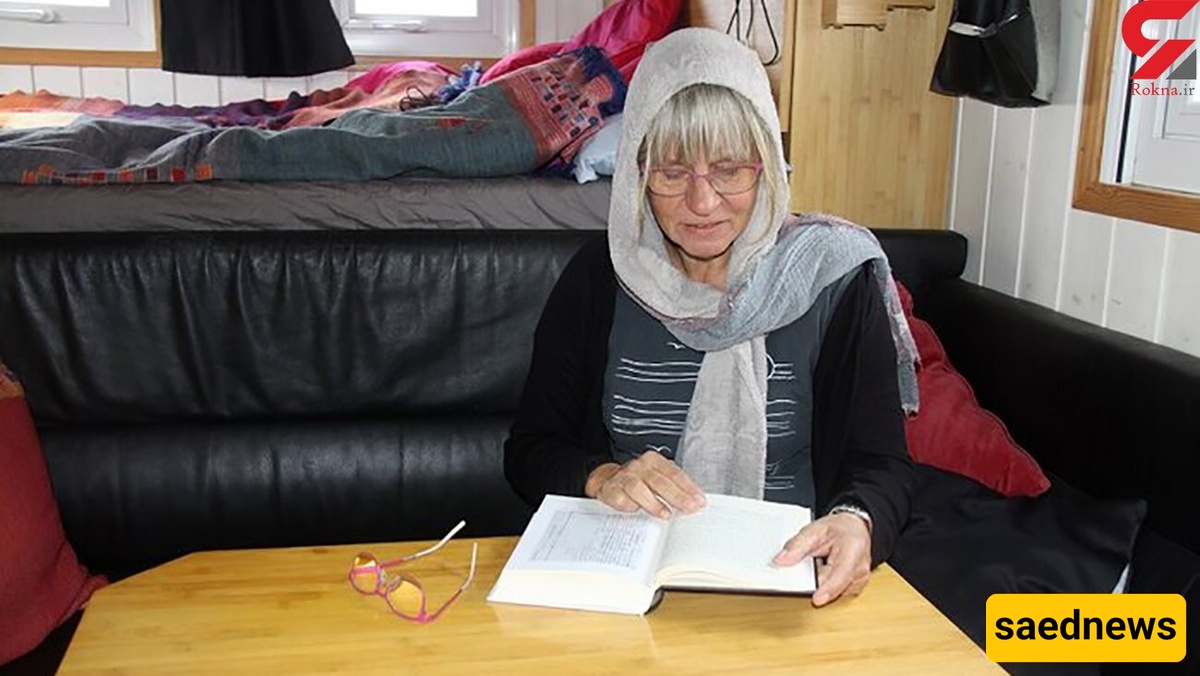
A few days ago, I noticed on several Telegram channels and Instagram pages the news of a German tourist visiting the village of Zag Darav in Mahabad. At first glance, this didn’t seem like a particularly newsworthy story, as foreign tourists frequently visit this region due to its numerous attractions, including the Saholan Cave, Takht-e Soleyman, and Qalaichi.
What made this story intriguing, however, was that the tourist had stayed for more than three weeks due to a car breakdown. Her warm interactions with villagers, participation in local gatherings and weddings, and the hospitality she received with traditional foods made the story worth exploring. So, on a cold, rainy day, I set off for Zag Darav.
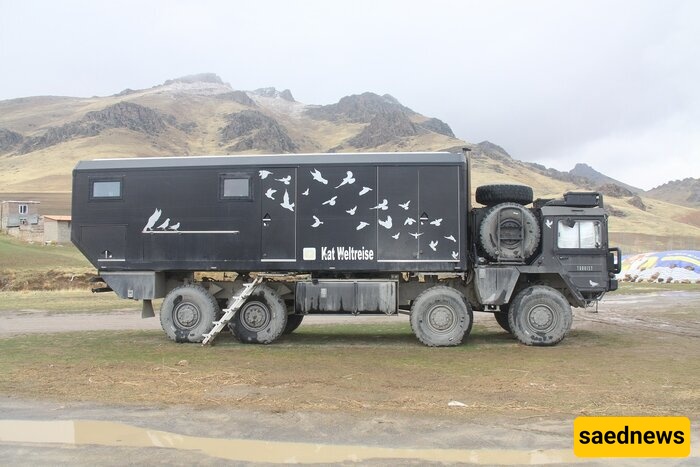
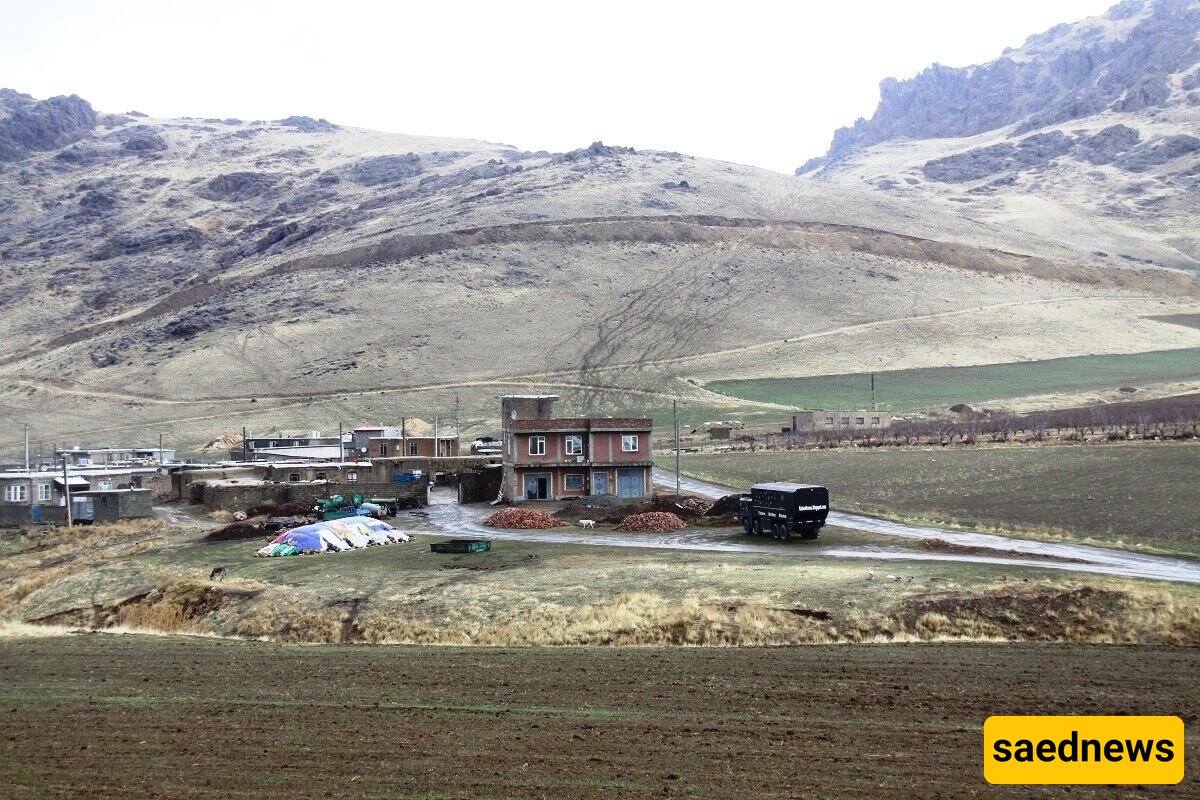
The village is located 15 kilometers east of Mahabad, along the Mahabad–Bukan road, known locally as the Burhan route. After coordinating with a local resident, I left the main road and traveled along the dirt path leading to the village.
A large black car belonging to the tourist stood out near the residential houses. The heavy rain and wind made photography and filming somewhat challenging.
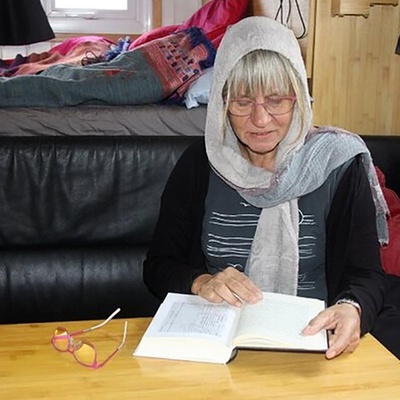
I asked several people taking selfies near the car about the German tourist, and they pointed me to one of the villagers’ homes. It was a newly built, two-story house. According to locals, the door had never been closed to the tourist—or to anyone visiting her—during her stay. Entering the spacious living room, I met the 64-year-old German traveler for the first time.
Other visitors from nearby towns like Bukan and Mahabad had also come to see her. Due to the rain, cold weather, and the small size of her car, villagers had invited guests into the home of Kak Mamand, a local resident of Zag Darav.
The atmosphere was warm and lively. Everyone had stories to share, and guests were served tea with sugar cubes—a simple but perfect refreshment in the chilly weather. After a few minutes and two cups of tea, I introduced myself, explained the purpose of my visit, and showed my press card. Since I did not speak German, I relied on a few English phrases and a voice translation app to communicate.
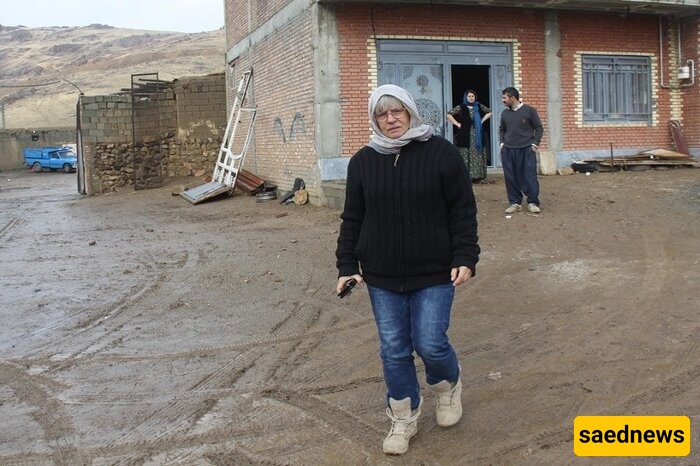
Expressing regret that her journey had been interrupted, I began the interview with Petra Schuermann.
Reporter: When did your journey begin?
German Tourist: It’s been about three and a half years. So far, I’ve visited parts of Turkey, Iraq, and Iran. In Iran, I traveled to Tabriz, Urmia, Sanandaj, and Kermanshah. I had planned to continue exploring other parts of the country, but my car developed a technical problem, and I’m waiting for replacement parts to be sent from Germany.
Reporter: Couldn’t local mechanics repair it?
German Tourist: My car is old. Some local mechanics have tried, but under German regulations, I cannot repair the engine myself. Only the manufacturer can send the necessary parts through the embassy. So now, I wait.
Reporter: Is your stay in the village difficult? Can you contact your family?
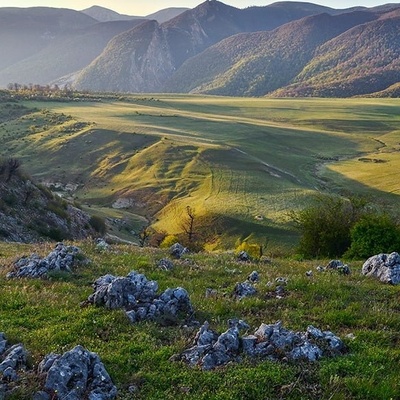
German Tourist: I’ve been able to keep in touch with my family via phone and video calls. I watch the sunrise and sunset in this mountain village every day. The people here have been incredibly welcoming. They bring local food and fruits daily—I’ve run out of space in my fridge! They even invited me to a wedding. I enjoy wearing local clothing and tasting traditional dishes. This journey has become one of the sweetest of my life, and I hope to document it in the future.
In a short video translated by Hormoz Baradaran, she added: “I want to talk a little about the people of this village. My car broke down, and I couldn’t continue driving. The villagers were very helpful and hospitable. They offered lunch and dinner and asked if I needed anything. They even offered me a place to sleep. I’ve never experienced such generosity before—it was all wonderful.”
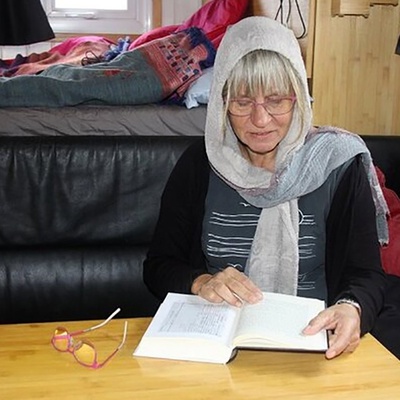
After filming, I visited her small living quarters, observing her daily routines, reading, and working on her computer.
One local, Kak Mamand, explained that her stay has brought many visitors to the village, turning it into a local tourist attraction. “We’ve grown used to having her and her guests here. From early morning to late at night, sometimes even past midnight, people come to see her. Since her car can’t accommodate visitors, we invite them to our homes.”
He added that the tourist’s presence has inspired many villagers, especially women, to learn foreign languages like English and German. “We hope to develop Zag Darav into a key tourist destination in the future. Officials can leverage the village’s potential by identifying local strengths, building infrastructure, and providing training to attract more visitors. This can promote sustainable tourism alongside agriculture and livestock farming.”
Despite the technical reason for her prolonged stay, the tourist has enjoyed the village’s beauty for over three weeks. She could have stayed in a hotel but chose to remain in the village.
The resident concluded: “Tourists’ tastes have changed. To become a tourist destination, we must adapt to their preferences rather than trying to change them.”
West Azerbaijan, with its historical sites, natural attractions, and diverse potential, could become a major tourist hub. The province boasts over 1,700 nationally and globally registered historical monuments, including UNESCO-listed sites like Qareh Kelisa of Chaldoran, Takht-e Soleyman of Takab, Urmia Lake National Park, religious ceremonies at Qareh Kelisa, and the Shah Abbasi Caravanserai.