SAEDNEWS: Archaeologists know from historical texts that some major ancient cities existed, but so far they have been unable to locate them.
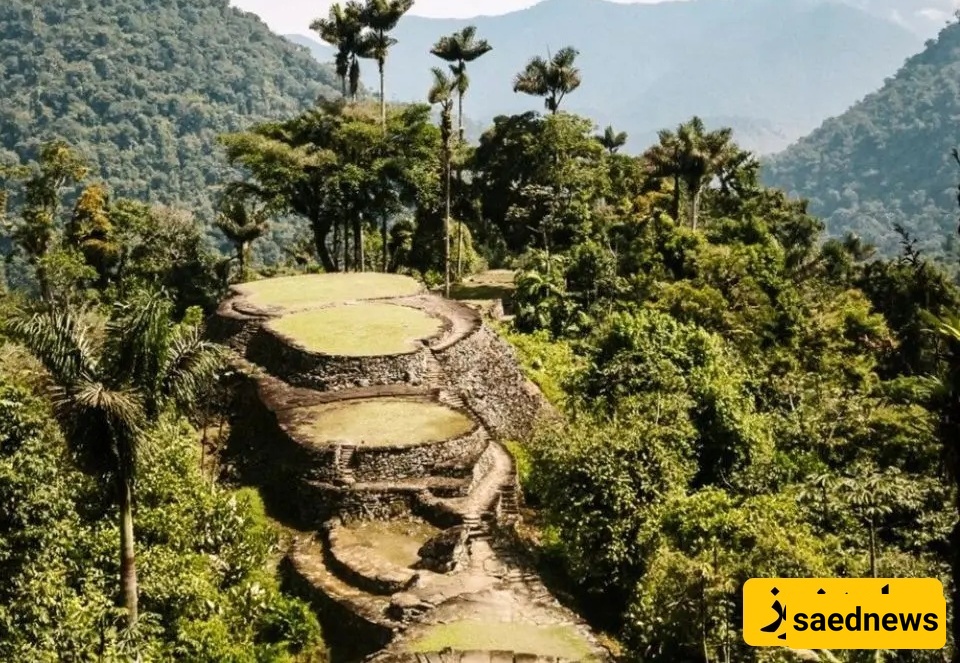
According to Saed News’ Society Desk, archaeologists have been actively exploring lost civilizations, yet much remains undiscovered. Several prominent ancient cities—including the capitals of great kingdoms and empires—have never been located.
We know of these cities because ancient texts describe them, but their exact locations have been lost over time. In some cases, looters discovered these cities and removed large amounts of artifacts, yet never revealed their locations. Here, we explore six ancient cities whose whereabouts remain a mystery.
1. Irisagrig
Ancient texts referencing Irisagrig
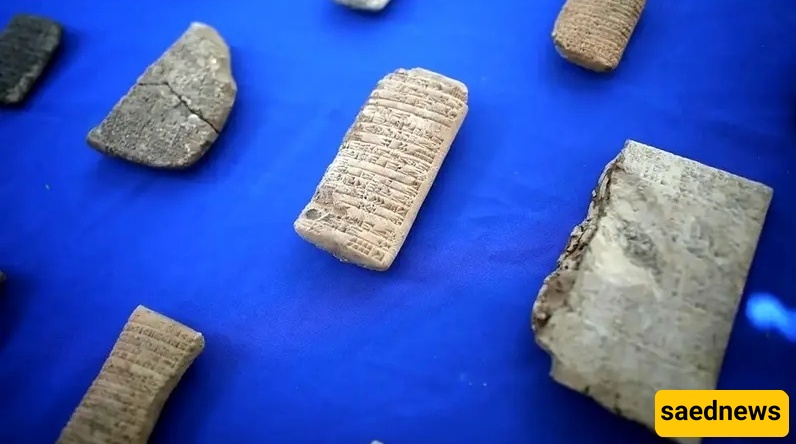
Shortly after the U.S. invasion of Iraq in 2003, thousands of ancient tablets from a city called Irisagrig appeared on the antiquities market. These tablets suggest that Irisagrig was located in Iraq and flourished around 4,000 years ago.
The tablets indicate that the city’s rulers lived in palaces housing numerous dogs and lions fed on cattle. Lion caretakers, known as “lion shepherds,” received rations of bread and beer. The texts also reference a temple dedicated to Enki, the god of mischief and wisdom, where festivals were occasionally held.
Archaeologists believe looters discovered and plundered Irisagrig around 2003. The city itself has never been found, and those who discovered it have not disclosed its location.
2. Itjtawy
Remains of Pharaoh Amenemhat I’s pyramid in Lisht; the city he founded as a capital has never been found, but archaeologists believe it may have been near Lisht.
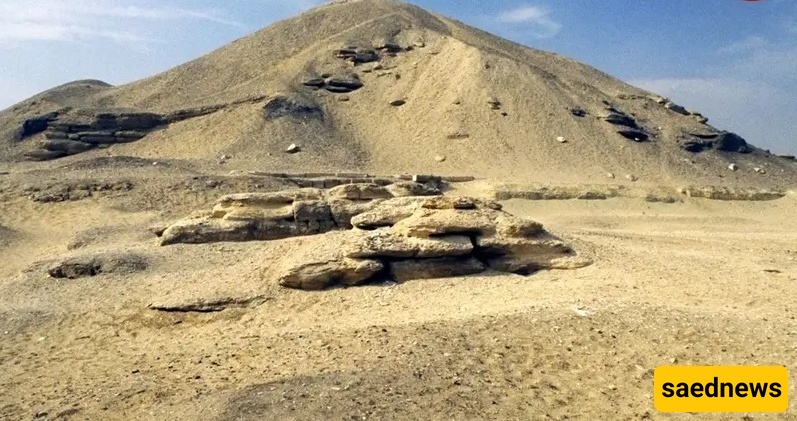
Egyptian Pharaoh Amenemhat I (c. 1981–1952 BCE) ordered the construction of a new capital called Itjtawy, meaning “Conqueror of the Two Lands” or “Amenemhat, Conqueror of the Two Lands.” His reign faced many challenges and ended with his assassination.
Despite his death, Itjtawy remained Egypt’s capital until around 1640 BCE, when northern Egypt fell to a group known as the Hyksos, and the kingdom collapsed. Though the city has not been located, archaeologists believe it may have been near Lisht in central Egypt, based partly on the location of several elite burials, including Amenemhat I’s pyramid.
3. Akkad
A bust of Sargon of Akkad, one of the earliest rulers of the Akkadian Empire.
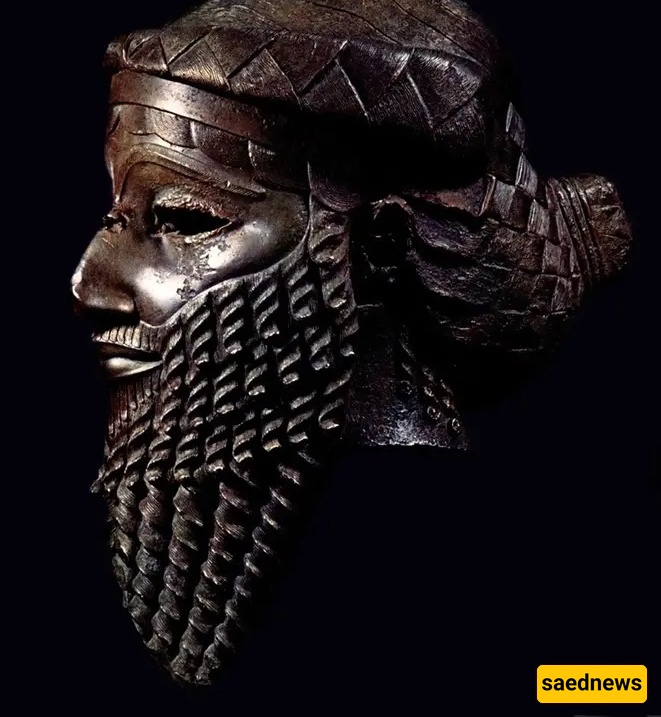
Akkad (or Agade) was the capital of the Akkadian Empire, which thrived from roughly 2350 to 2150 BCE. At its height, the empire stretched from the Persian Gulf to Anatolia. Many of its conquests were led by Sargon of Akkad, who lived around 2300 BCE.
One of Akkad’s most important structures was Eulmaš, a temple dedicated to the goddess Ishtar, associated with war, beauty, and fertility. Akkad has never been found, but it is believed to have been located in present-day Iraq. Archaeological evidence suggests the city was abandoned or destroyed around 2150 BCE, coinciding with the empire’s collapse.
4. Al-Yahudu
A tablet depicting the Babylonian exile of the Jews, c. 1830, by Ferdinand Olivier.
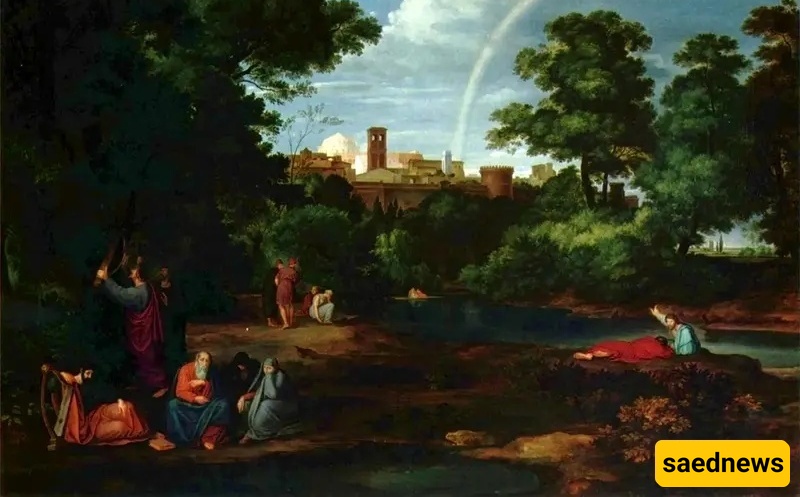
Al-Yahudu, meaning “City of Judah,” was a settlement in the Babylonian Empire where Jews lived after Nebuchadnezzar II conquered Palestine in 587 BCE. A portion of the population was exiled, a common Babylonian practice after conquering a region.
About 200 tablets from this settlement survive, showing that the exiled population retained their faith and incorporated the name of God, Yahweh, into personal names. Archaeologists have not located Al-Yahudu, but like many lost cities, it was likely in present-day Iraq. The appearance of these tablets on the antiquities market, without any formal excavation reports, suggests looters may have discovered the city at some point.
5. Waššukanni
A cylinder seal from the Mitanni Empire, now in the Metropolitan Museum of Art, New York.
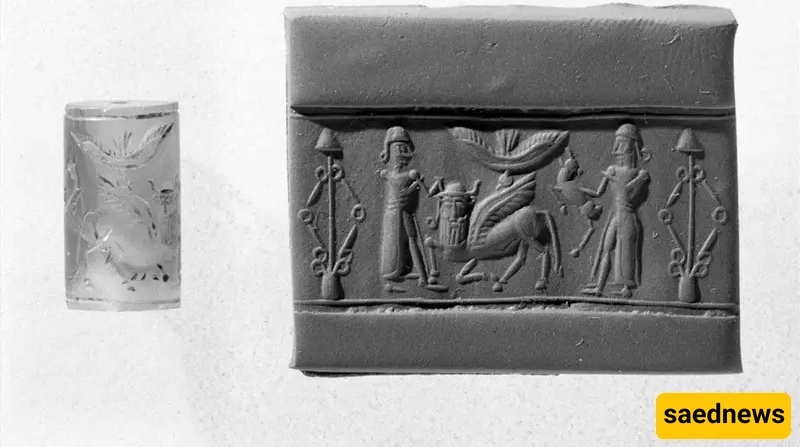
Waššukanni was the capital of the Mitanni Empire, which existed roughly between 1550 and 1300 BCE, covering parts of northeastern Syria, southern Anatolia, and northern Iraq. The empire faced intense competition from the Hittites in the north and the Assyrians in the south, gradually losing territory.
Waššukanni has never been found, though some archaeologists speculate it may have been in northeastern Syria. The inhabitants, and most of the empire’s population, were known as the Hurrians, who spoke a language preserved in ancient texts.
6. Thinis
The Narmer Palette depicts King Narmer (also called Menes) defeating his enemies.

Thinis (or Tjenu) was an ancient city in southern Egypt that flourished at the dawn of Egyptian civilization. According to the ancient historian Manetho, some of Egypt’s earliest kings ruled from Thinis around 5,000 years ago, during the unification of Egypt. Later, the capital moved to Memphis, and Thinis became the administrative center of a nome (province) during the Old Kingdom (c. 2649–2150 BCE).
Thinis has not yet been identified but was likely near Abydos in southern Egypt, as many nobles and princes from that era were buried nearby.