SAEDNEWS: According to UNESCO and the World Customs Organization (WCO), trafficking of cultural goods has increased worldwide since the COVID-19 pandemic.
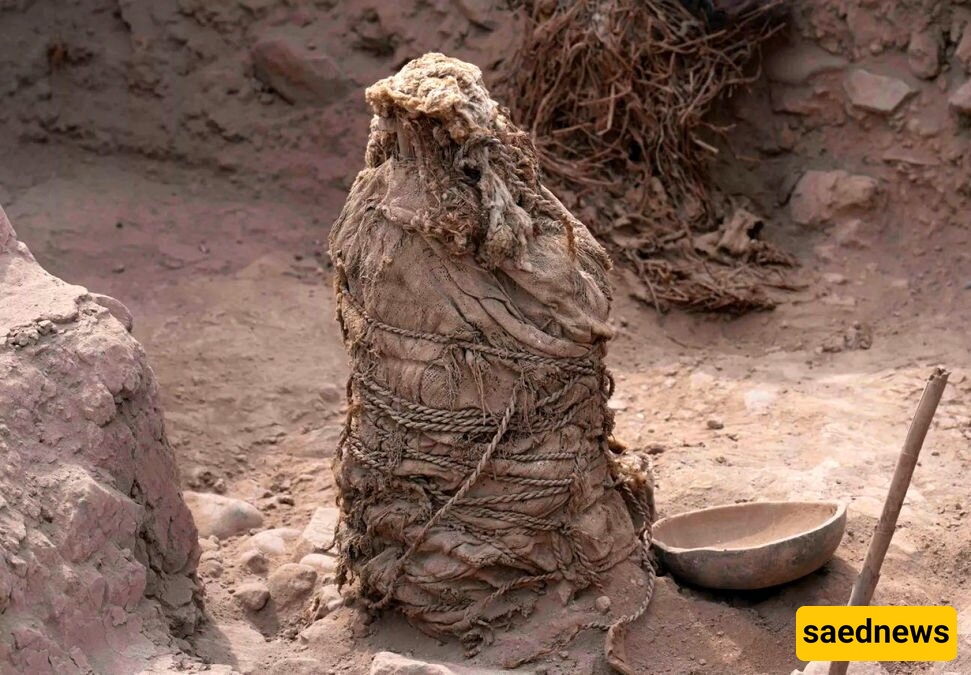
According to Saed News’ society section, Leandro Rivera is one of the individuals convicted for illegally excavating ancient tombs.
He claims to have stumbled upon a cave in the remote Nazca region of Peru, containing hundreds of artifacts dating back to before the Spanish conquest in the early 16th century.
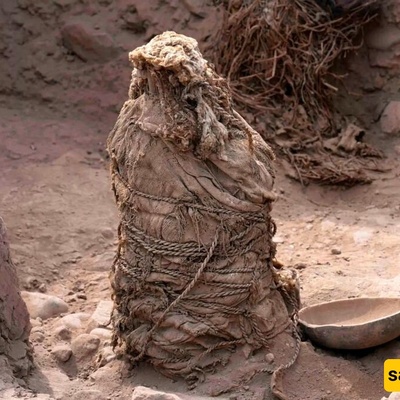
The items he unearthed included human remains with elongated skulls and a three-fingered creature.
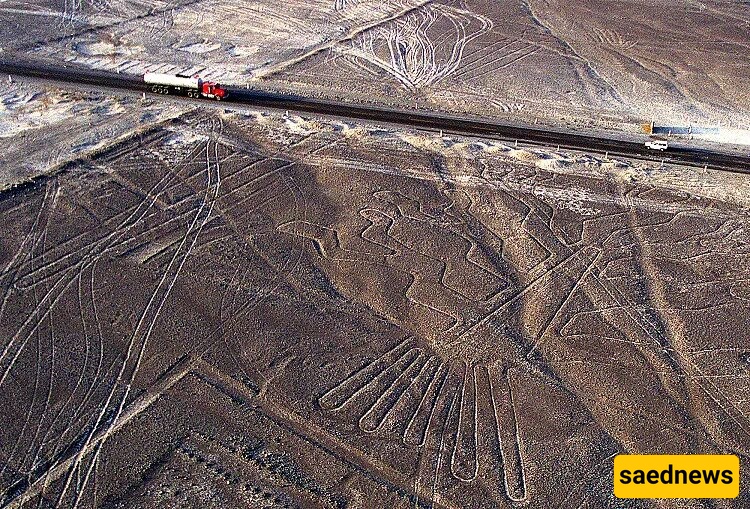
Peru’s plateau is renowned for its Nazca Lines—geoglyphs depicting birds and other animals that are best appreciated from the sky. These ancient formations have fascinated anthropologists for decades and continue to intrigue UFO enthusiasts.
Beyond the geoglyphs, the Nazca Desert is also archaeologically significant for its salt flats and well-preserved human and animal remains. These relics have deepened our understanding of ancient cultures but have also attracted illegal excavators.
In 2022, Rivera was convicted for trespassing on public historical sites and excavating artifacts. He received a four-year suspended sentence and a fine of approximately 20,000 Peruvian soles (around $5,190 USD), although the maximum penalty could have been eight years in prison.
Rivera’s actions drew wider attention last year when two unusually preserved mummies were presented at a Mexican congressional session discussing UFOs and extraterrestrial life. A Mexican journalist suggested the bodies were evidence of alien life, a claim quickly dismissed by scientists.
The Online Black Market
In an interview with Reuters, Rivera said he removed 200 sets of remains from the cave, with some smuggled to France, Spain, and Russia.
Evelyn Centurion, head of the Recovery Department at Peru’s Ministry of Cultural Heritage, said, “Looting of these artifacts has not stopped, and we need greater cooperation from local governments and authorities to prevent these illegal activities.”
Antique shops that previously operated in person have now moved online, exploiting the anonymity of the digital space or encrypted channels.
Moreover, the scarcity of staff at cultural sites in remote regions—especially those previously protected by local communities—leaves them vulnerable to looting.
Debunking the Alien Ancestor Myth
Guido Lombardi, an anthropologist and mummification specialist at Cayetano Heredia University in Peru, said he has received anonymous messages on WhatsApp offering hundreds-of-years-old looted artifacts, including clay figurines, for sale.
Contrary to claims by some theorists, he emphasized that the idea of extraterrestrial ancestors among the local population is false: “No one was born with this shape and form.”
Lombardi noted that misinterpretations arise because some UFO enthusiasts lack a proper understanding of pre-Columbian social traditions. One such practice was intentional cranial deformation of children, which explains the elongated skulls seen in these remains.
Cultural Awareness and Protection
Preventing the export of looted artifacts from Peru remains challenging. Sharing borders with five countries and maintaining 27 official border crossings, the country relies on educating local communities and travelers about the importance of these objects.
At Lima International Airport, Ministry of Culture experts use X-ray scanners to intercept suspicious cultural items. However, travelers often claim ignorance of the nature of these objects, resulting in confiscation without criminal charges. The items are then handed over to the Ministry of Culture for preservation.