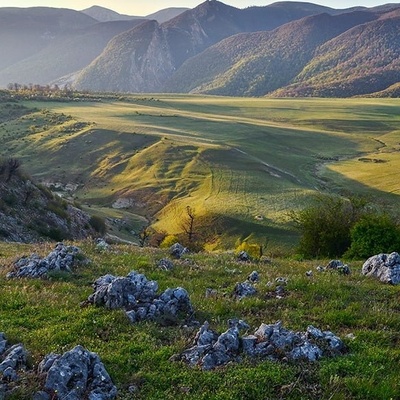
SAEDNEWS: The True Iranian Treasure: Oshnavieh Plain, Forbidden to Treasure Hunters
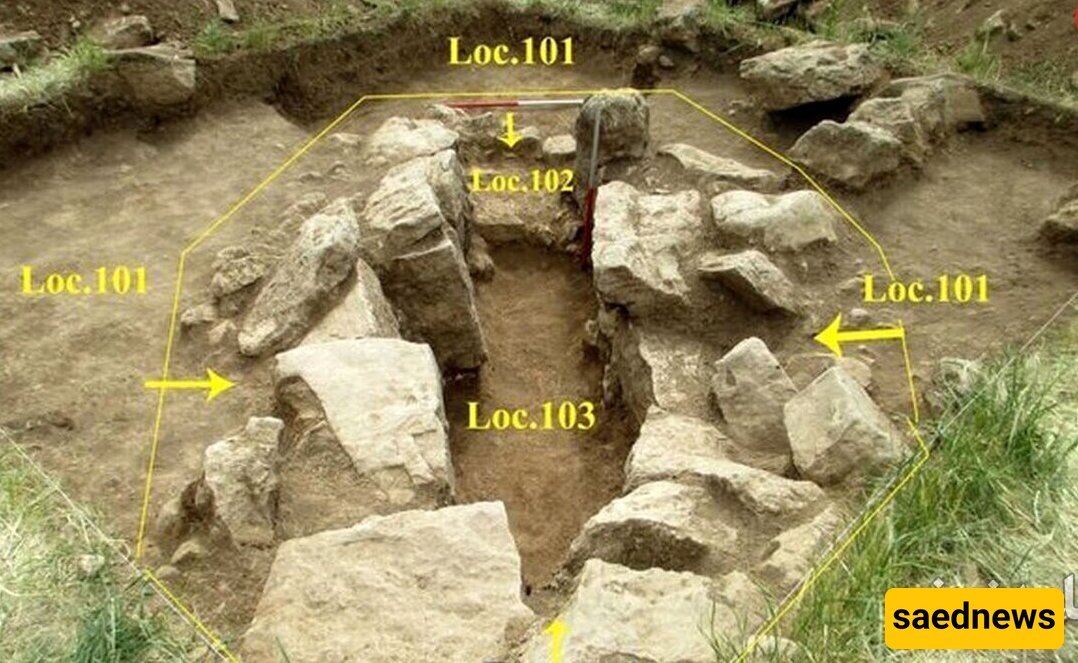
According to the Society Section of Saed News, Mehrnaz Sharifi, head of the archaeological team at Kohneh Sofian Hill, shared details of the recent excavation. She explained that Kohneh Sofian consists of two mounds, I and II, with Kohneh Sofian I dating back 7,000 years and belonging to the Dalma culture, associated with the Early Copper and Stone Ages.
Sharifi noted that Sofian was one of the major centers of the 5th millennium BCE in the Oshnavieh Plain. “The results of the Sofian excavation show that this site was a valuable settlement in the southern Urmia Lake basin and served as a key site in northwestern Iran,” she said. “It was an important Early Copper and Stone Age settlement, located not far from Dalma Hill, and we observed significant changes in the cultural traditions of the region during the excavation.”
The archaeologist emphasized that the goals of the project, beyond rescuing sites threatened by the Cheperabad Dam, included studying the formation phases of the Dalma and Pizdeli cultures in the Oshnavieh Plain, investigating the transfer and evolution of cultural practices, examining the Hasanlu IX traditions in northwestern Iran based on new archaeological findings, exploring regional cultural interactions, and documenting the architectural layout of Kohneh Sofian.
Sharifi added, “Through careful study of the finds, we aimed to gain a clearer understanding of the Early Copper and Stone Age (Dalma culture) horizon in northwestern Iran.”
A Rich Archaeological Treasure
The initial results reveal evidence of strong, permanent architecture, indicating that Sofian was used for continuous habitation—a notable discovery since most 5th-millennium BCE sites previously studied had fragile structures.
The excavation yielded Dalma pottery alongside Pizdeli-type ceramics, demonstrating an overlap of the two cultures. “This is the first time in Sofian that these two cultures have been found together in situ within a thick layer,” Sharifi explained.
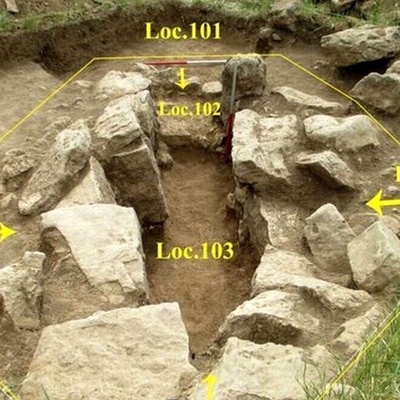
The team also uncovered robust mudbrick architecture with stone foundations, a feature previously unreported at the site. Inside the structures, basket-shaped ceramic jars were found, reflecting pottery traditions of the Hajji Firuz culture (Neolithic), confirming that Dalma culture continued the Hajji Firuz and preceding Hassuna cultural traditions.
Thermal Structure, Infant Burials, and a Bronze Age Cemetery
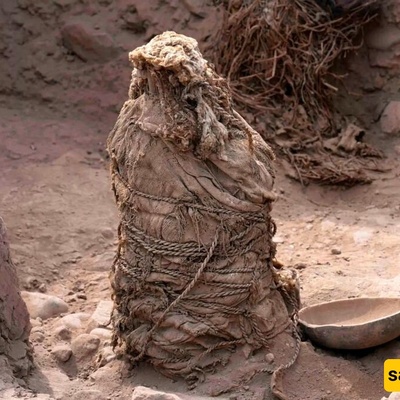
Sharifi reported the discovery of a mudbrick platform and a unique thermal structure, possibly a kiln, never before recorded at contemporary sites. In residential areas, five infant burials in jars were documented, consistent with burial customs of the 5th millennium BCE in the region and across the Caucasus. Similar burials have been reported in Alchan Tepe, Tepe Gawra, and Leyla Tepe.
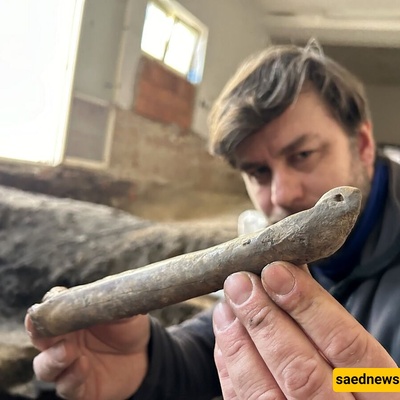
Other finds include ceramic vessels that likely served as funnels or water containers, a pottery type not previously documented elsewhere.
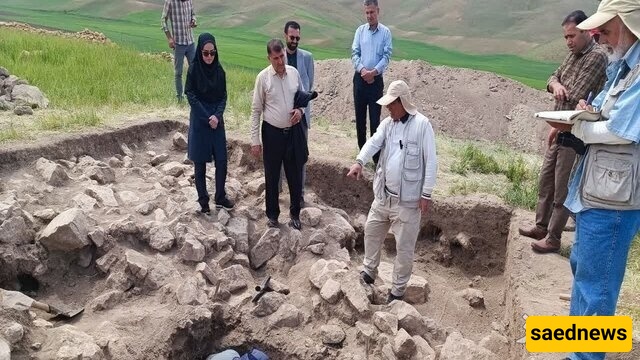
According to the Iranian Cultural Heritage and Tourism Research Center, the excavation identified a site from the Early Copper and Stone Age, providing evidence of long-distance connections among Sofian inhabitants, confirmed by the presence of obsidian.
The team uncovered over three and a half meters of deposits from the 5th millennium BCE. At Kohneh Sofian II, a Bronze Age cemetery with large stone graves was also discovered.
Ronak Tasa, head of Oshnavieh Cultural Heritage, recently announced the recovery of 111 historical artifacts during the second season of rescue excavations for the Cheperabad Dam. These include pottery, human burials, and bronze objects, now housed in a local museum.
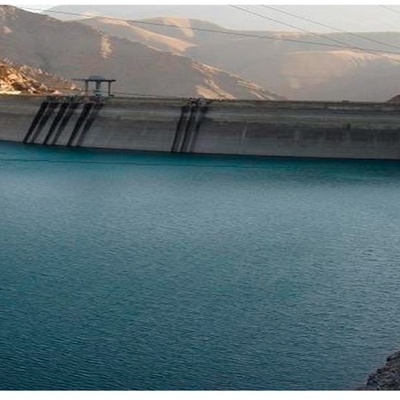
In 2021, ten experts conducted rescue excavations at four sites in the Cheperabad Dam area, including Sheikh Rash 1 and 2, Kani Hawa, and Cheperabad Hill. Archaeologists consider the findings, combined with the site’s 7,000-year history, a milestone for archaeology in West Azerbaijan Province.
Rescue excavations are ongoing, as the Cheperabad Dam’s reservoir is expected to submerge 13 identified archaeological sites, according to the regional Cultural Heritage director.