SAEDNEWS: Simple Tricks to Identify Sweet, High-Quality Halva and Avoid Inferior Pumpkins
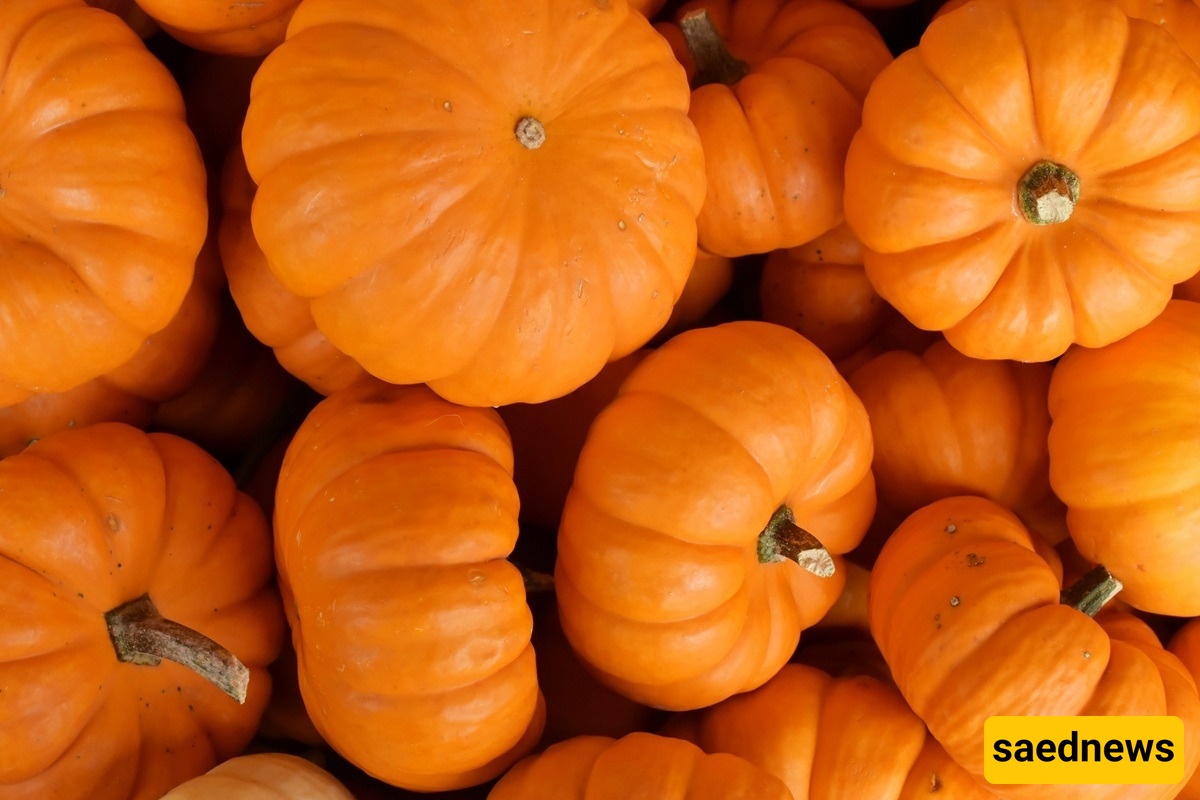
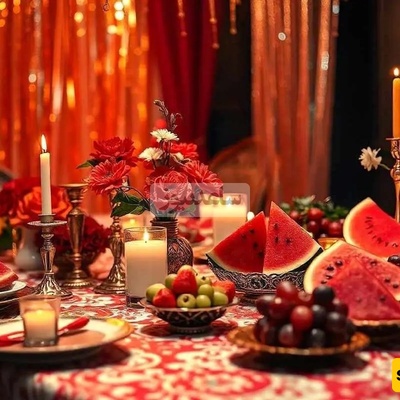
Pumpkin, with its warm color and natural sweetness, is an iconic and indispensable part of the Yalda Night table. This autumn fruit is not only nutritionally rich but also holds a special place in the traditions and stories of this celebration. Choosing the right pumpkin is the first step toward preparing a variety of Yalda desserts or dishes. Selecting a high-quality pumpkin ensures that the authentic taste of autumn shines on your Yalda table. Here are the essential tips for buying the best pumpkin.
Color
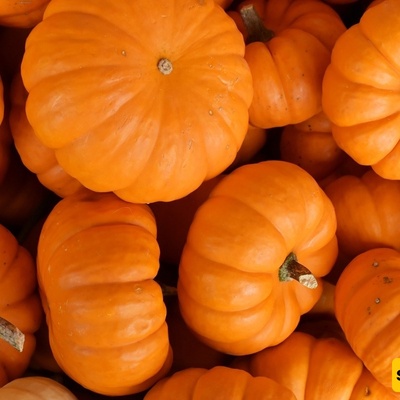
A ripe, sweet pumpkin should have a deep orange color. Avoid pumpkins that are green or dull, as they are likely under-ripe and less flavorful.
Shape: Round or Barrel-Shaped?
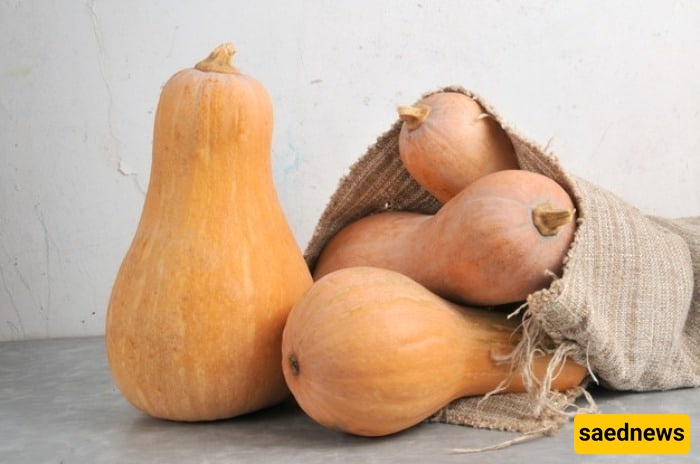
Pumpkins are mainly found in round or barrel shapes. For desserts and dishes that require a sweeter taste, choose round pumpkins, which generally offer better flavor quality.
Weight
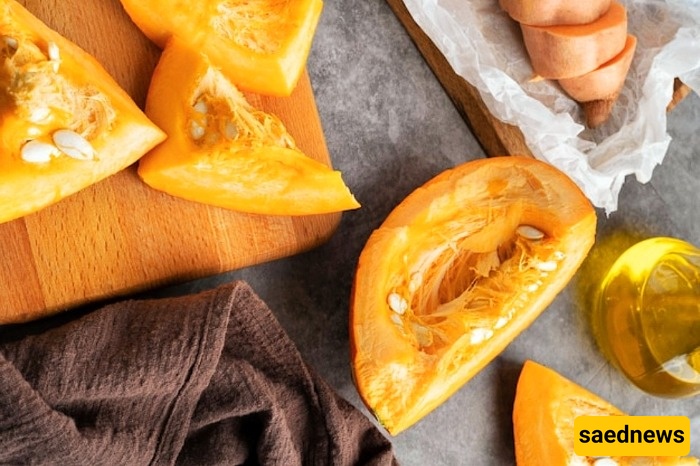
A sweet, ripe pumpkin should feel heavier than its size suggests. This extra weight indicates dense flesh, which translates to a sweeter taste and better texture when cooked.
Texture
Before buying, press the pumpkin gently with your fingertips. A good pumpkin should feel firm. Avoid pumpkins that are soft or leave an indentation, as they have a shorter shelf life.
Skin Quality
Look for smooth, wrinkle-free skin, which indicates freshness and proper storage.
Spots and Blemishes
Avoid pumpkins with blemished or spotted skin. A clean, unmarked surface ensures better quality and minimal waste, providing more usable flesh for cooking.
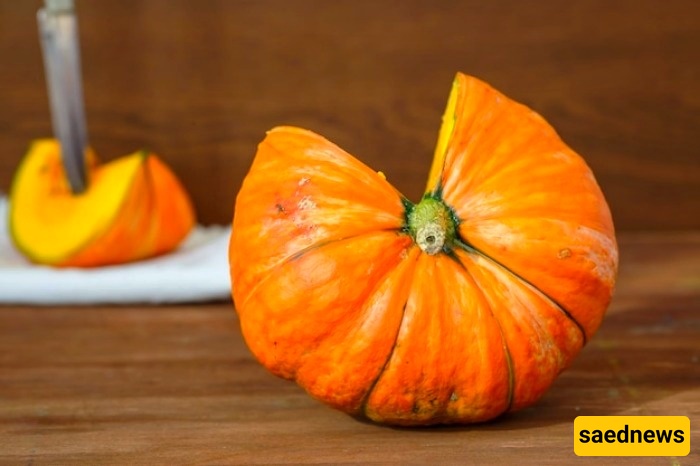
Round pumpkins with a bright orange color are usually the sweetest and most pleasant in texture. They often outperform barrel-shaped varieties in flavor.
Signs of Spoilage
Check for any dark or soft spots, which are early signs of spoilage or bruising. Fewer surface blemishes indicate a healthier pumpkin.
How to Tell if a Pumpkin is Ripe
Look for three main features:
Deep orange color
Heavy weight relative to its size
Firm, non-flexible skin
Avoid pumpkins with greenish hues, as these are likely under-ripe and less flavorful.
Does Soft Skin Matter?
Yes. Softness or any sagging in the skin usually signals internal spoilage or overripeness. A fresh, usable pumpkin should be completely firm.
Although similar in appearance, pumpkin and squash differ in shape, color, texture, and culinary use.
Pumpkin: Typically elongated and oval, with pale yellow or orange skin. It has denser flesh and is often used for seeds rather than the flesh in some countries, especially the U.S.
Squash: Usually round, with bright orange skin and softer, sweeter flesh. Ideal for cakes, desserts, and pastries.