SAEDNEWS: When used thoughtfully and combined with personal edits, AI-generated resumes can save time and optimize applications for hiring systems, increasing the chances of being noticed and invited to interviews.
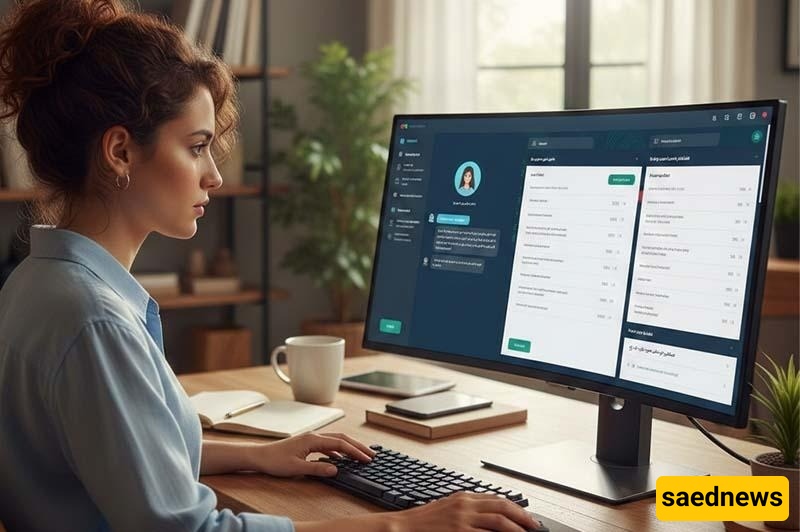
If you’ve chosen to read this article, chances are you’re someone who wants to navigate your career path more intelligently and efficiently—without compromising the quality of your work. In today’s job market, where resumes often pass through automated filters before ever being seen by a human recruiter, simply having a strong work history isn’t enough. What matters is how you present your experience, skills, and achievements.
But the main question remains:
Can you really trust AI to build your resume, or does it simply speed up the process without increasing your chances of success?
AI is no longer a distant concept—it has become a part of our daily lives and plays an increasingly important role in recruitment. Many companies use Applicant Tracking Systems (ATS) to screen resumes, analyzing keywords, structure, and even tone.
The key question is: Can these tools replace human judgment, or are they best used as assistants? We’ll explore this in detail.

Contrary to popular belief, AI resume builders don’t just generate text. They analyze job postings, resume structures, and key terms to produce outputs aligned with today’s hiring standards. Using an AI tool correctly can offer real benefits:
Smart Time-Saving Without Sacrificing Quality
Writing a professional resume, especially for multiple job positions, can be time-consuming. AI significantly shortens this process.
For example, a programmer applying simultaneously for Front-End Developer and Full-Stack Developer roles will find that a single resume rarely performs well. AI tools can intelligently create multiple targeted versions, saving hours of manual effort.
Optimization for ATS
A significant number of resumes are never seen by recruiters because they fail ATS filters. AI resume builders are designed to solve this problem.
If a job posting mentions “Digital Marketing and SEO” but your resume only says “online marketing,” your application may be rejected. AI identifies these gaps and recommends keywords aligned with ATS logic.
Turning Raw Experience Into Presentable Achievements
Many people have valuable experience but struggle to express it effectively. AI can transform daily tasks into professional accomplishments.
For instance, instead of:
"Managed the company’s social media"
AI might suggest:
"Managed social media with a focus on increasing engagement and audience growth"
The same experience, but presented more professionally.
Maintaining a Professional Resume Structure
Even high-quality content loses impact if poorly structured. AI tools typically follow international standards.
For example, if you have extensive work experience, it should appear before your education. AI recognizes these differences and suggests the optimal structure.
Reducing Common Human Errors
Spelling mistakes, repetitive wording, or inappropriate tone are common resume errors. AI can help minimize these before submission, ensuring a polished, consistent presentation.
AI is powerful, but improper use can backfire. The biggest challenge is sending AI-generated resumes without any editing. This can result in generic, overly broad, or irrelevant applications.
Common pitfalls include:
Failing to tailor the resume for each job
Overusing vague, generic phrases
Misalignment between actual experience and final text
To understand which mistakes lead to rejections, reading articles on why resumes fail can help you refine AI outputs more intelligently.
The best results come when AI and human decision-making work together. AI can provide a professional framework, while you ensure the content reflects your true career path.
The most effective platforms don’t just generate text—they allow step-by-step editing, customization, and improvement. Tools like these help ensure your resume is both technically sound and reflective of your real experience.
If you want to be noticed faster, your resume must be professional and under your final control. Using the right AI tools can be a smart starting point—one that, if done correctly, leads to more interviews rather than a folder labeled “rejected.”