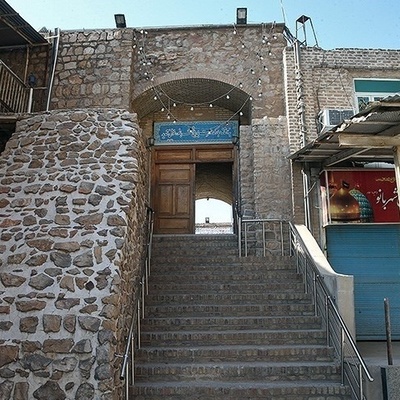
SAEDNEWS: This underground burial site, built around 4000 B.C., amplifies sound at a soothing frequency.
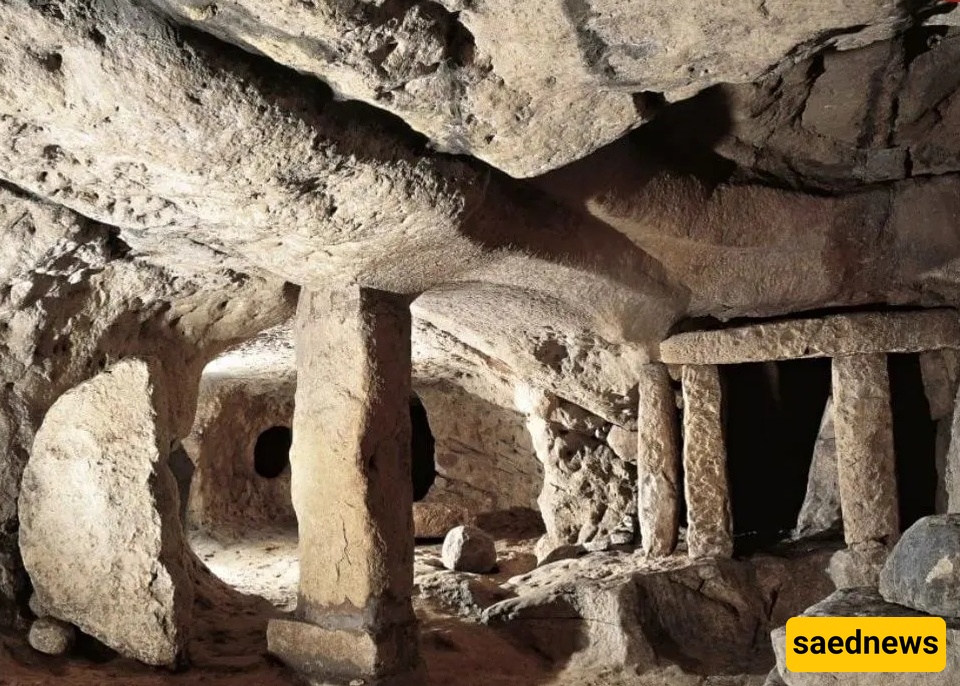
According to Saed News’ society section, when archaeologist Fernando Coimbra played his trumpet inside the Hypogeum of Ħal-Saflieni, he felt sound waves resonate throughout his body, bringing him an unusual sense of calm.
Unlike the random echoes one might hear in a large cave or deep mine, this acoustic effect was no accident. It was a deliberate feature embedded in the design philosophy of this structure, which emphasizes sound as a central element.
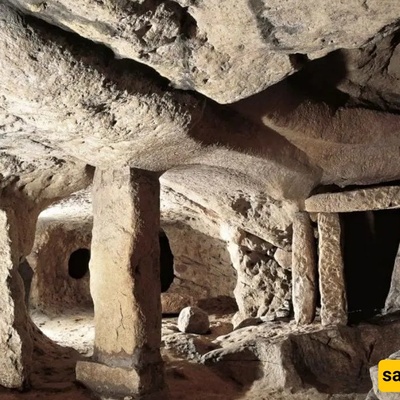
Perched atop a hill overlooking Malta’s major port city, Valletta, the Hypogeum is estimated to have been constructed around 4000 BCE. Despite long exposure to climate change, water damage, and algae growth, this underground complex—used as an active burial site for nearly 1,500 years—remains one of the best-preserved Neolithic structures in the world. It is also Europe’s only underground structure of its kind and a unique testament to Malta’s history and heritage.
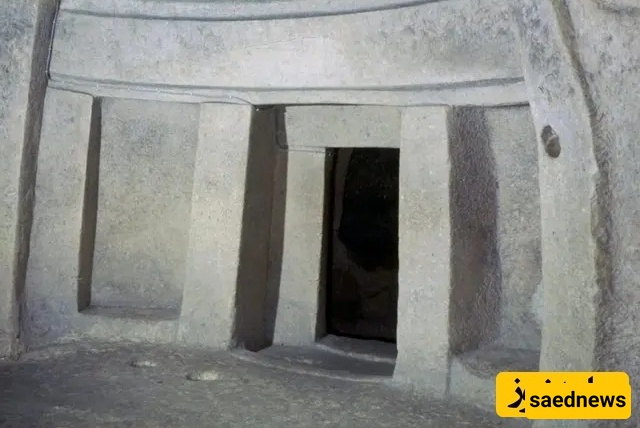
A Glimpse Inside the Hypogeum
The Hypogeum was discovered by accident in 1902 by construction workers laying foundations for residential buildings. By the time researchers and government officials took notice, portions of the site had already suffered damage. Excavations of the surrounding land, which continued until 1911, revealed a range of artifacts providing insight into the construction and function of the complex.
Archaeologists uncovered bones, many seemingly treated with red ochre as part of ritual practices, along with pottery, jewelry fragments, and small figurines of humans and animals—typical burial items intended to accompany the dead into the afterlife. At the time of discovery, the Hypogeum contained the remains of up to 7,000 individuals. Unlike many ancient burial sites, where bodies were interred separately, here, people were buried collectively.
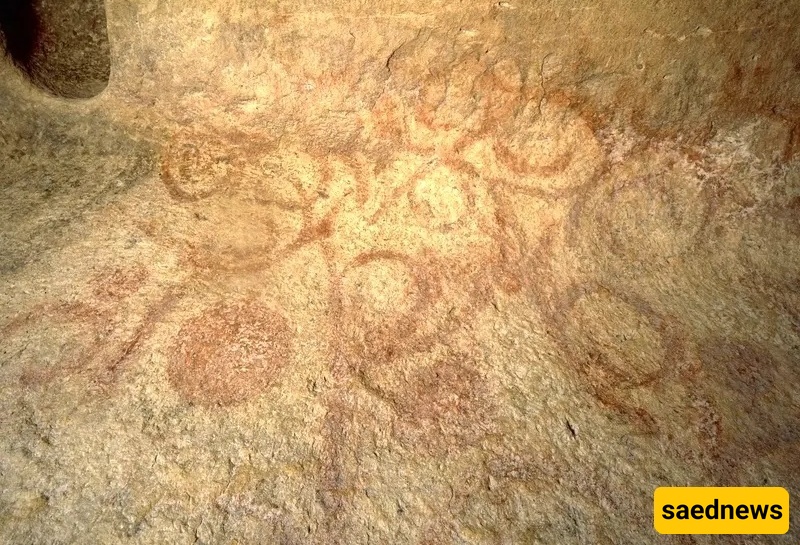
Wall Paintings in the ‘Oracle Room’
Further exploration revealed that the Hypogeum consists of three levels, carved from Globigerina limestone using obsidian tools and deer antlers. This limestone, one of Malta’s two main sedimentary rocks, is significantly softer than the upper coralline limestone that forms the island’s surface.
Covering more than 149 square meters, the underground space shares architectural features with other Maltese Neolithic structures, including false niches, trilithic-inspired doorways, and protruding ceilings. Most striking are the spirals and honeycomb patterns adorning the walls and ceilings of some chambers. Created with red ochre, these are the only known prehistoric paintings on the island.
The Hypogeum’s acoustics appear to have been a guiding principle of its design. Studies indicate that the curved walls and flat chamber surfaces amplify sound at 110 hertz—a frequency known to stimulate the emotional and intuitive regions of the brain. Coimbra described these sounds as calming, suggesting that Malta’s ancient inhabitants may have used the site’s acoustic properties for spiritual purposes, preparing visitors’ minds for altered states of consciousness during rituals and ceremonies.