SAEDNEWS: Last winter, Storm Filometa swept through the region, and unprecedented heavy snowfall disrupted local wildlife.
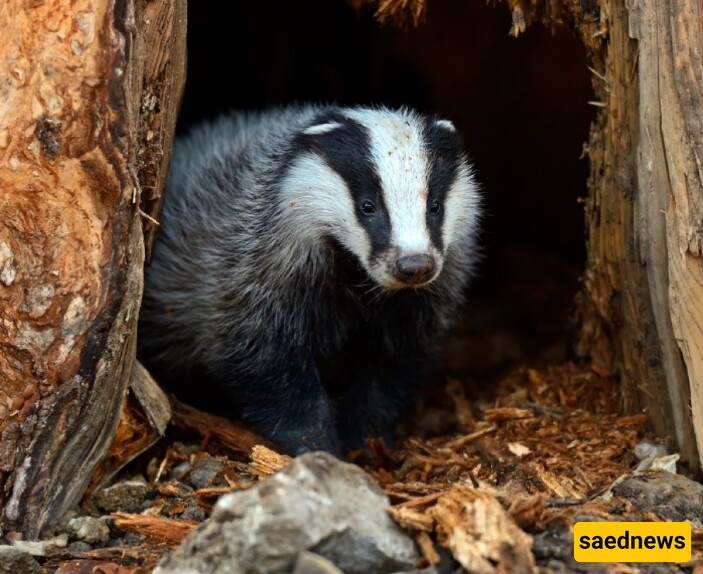
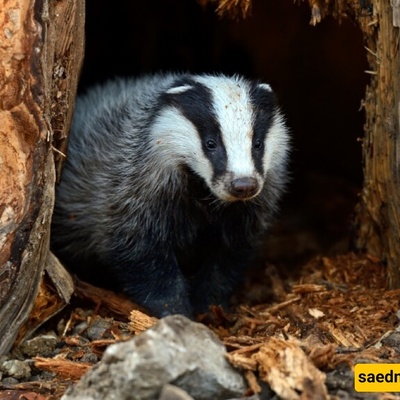
According to Saed News’ society desk, it is believed that a hungry badger, likely digging underground in search of food, may have unearthed the largest Roman coin hoard ever found in northern Spain.
The treasure was discovered near the animal’s burrow in the city of Grado, located in Spain’s autonomous region of Asturias. It appears that last winter, the badger, while foraging, dug up the hoard from beneath the soil.
During that winter, Storm Filometa swept through the region, bringing unusually heavy snowfall that disrupted local wildlife. Researchers believe that, in its search for something edible, the badger opened a fissure near its burrow and stumbled upon the treasure. However, the gold coins were of no use to satisfy the animal’s hunger, so it scattered them in various places.
Two archaeologists, accompanied by local guides, later explored the La Cuesta cave and recovered 209 coins from the hoard. The coins date from the third to the fifth centuries AD.
Researchers suggest that the coins were likely minted in distant cities such as Constantinople (modern-day Istanbul) or Thessaloniki. According to experts, a hoard of this magnitude had never before been discovered in a cave in northern Spain. Previously, in the 1930s, fourteen gold coins from the reign of Roman Emperor Constantine I (306–337 AD) were found in the region.
The archaeologists’ expedition to the area is part of a research project funded by the Ministry of Culture of Asturias. The project is ongoing, and researchers hope to return to the site for further excavations.