SAEDNEWS: Based on the analysis of bones discovered in Marmoles Cave in southern Spain, the reshaping and use of the deceased’s bones as tools and everyday objects by living humans was not unusual.
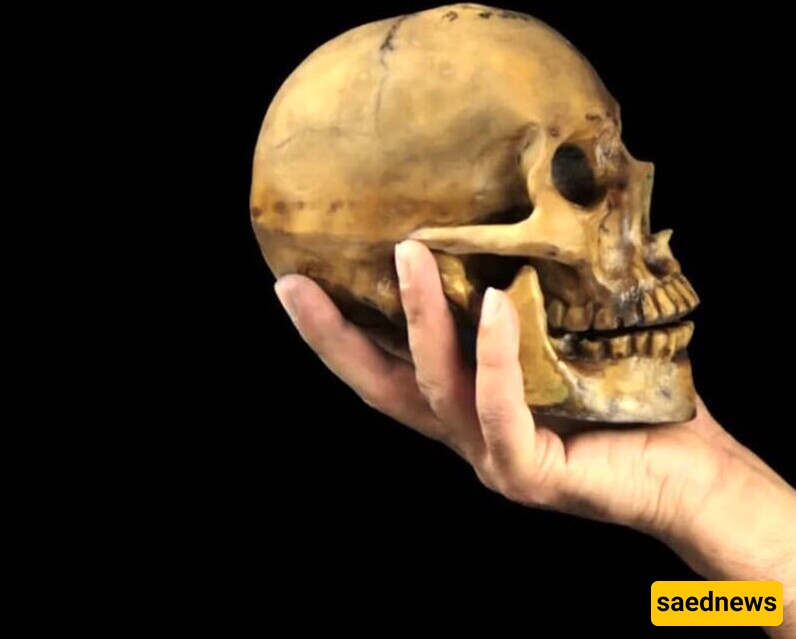
Recent research by European archaeologists reveals that humans of the Neolithic period—the final phase of the Stone Age—were highly skilled in reusing objects, even transforming the bones of the deceased into practical tools.

Analysis of bones discovered in Marmoles Cave in southern Spain suggests that altering and repurposing human remains as tools or everyday objects was not uncommon among the living.
A team led by Zita Lafranchi of the University of Bern, examining a collection of bones dating back thousands of years, identified signs of post-mortem wear on several specimens. Among their findings was a skull that may have been used as a cup or bowl after its owner’s death.
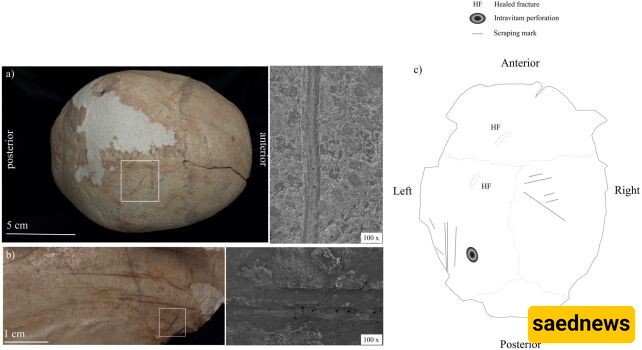
While interpreting changes in bones is challenging, the Bern archaeologists note that certain fractures, marks, and scratches on skulls are consistent with the removal of brain tissue shortly after death. Previous studies by this team and others indicate that cannibalism, while not universal, was not unusual in human history.
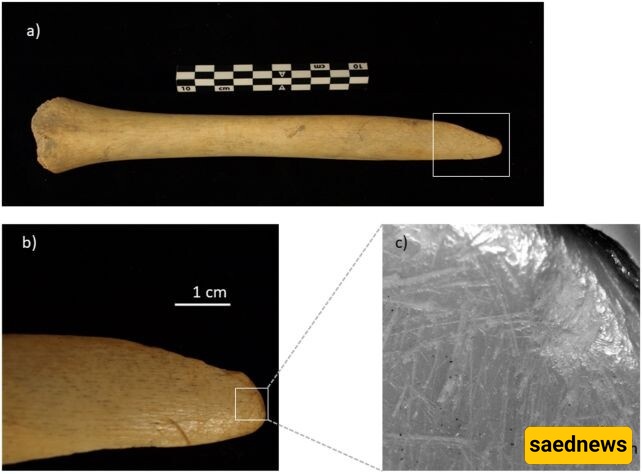
The researchers also identified a bone fragment that had been sharpened into a point shortly after death, likely functioning as a tool.
Although the exact practices surrounding the treatment of human remains remain uncertain, the evidence suggests that Neolithic people manipulated bones according to specific cultural beliefs and ideologies. Lafranchi explains: “This manipulation may have served to keep community members close while facilitating their passage into spiritual realms.”
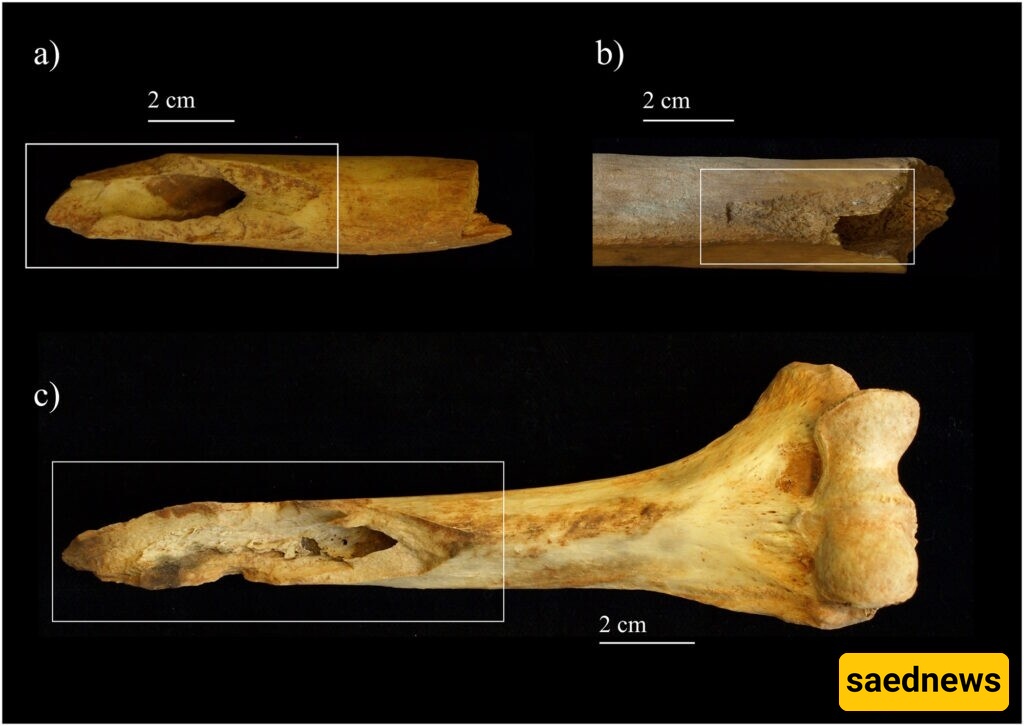
Examination of the Marmoles Cave collection indicates that the site was used for burials between the fifth and second millennia BCE. The bones belonged to at least 12 individuals, seven of whom were adults, and all were treated in similar ways, pointing to a well-defined set of traditions and beliefs among Neolithic communities.
These findings have been published in the scientific journal PLOS One.