SAEDNEWS: Knowing the Best Colors for Men's Coats Means Choosing a Stylish Look, but Some Styles and Colors Are Always Avoided for Reducing Class and Appeal
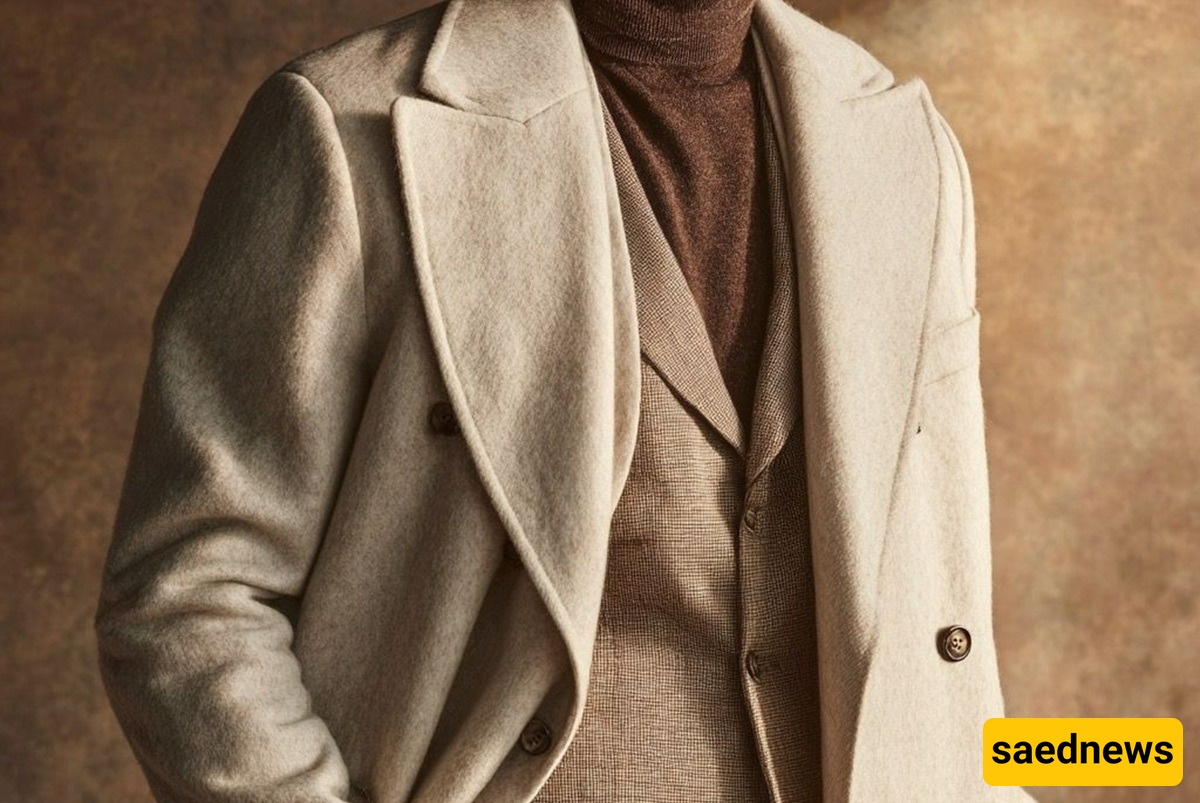
Choosing the right coat for men is about both style and practicality during cold seasons. The color of a coat plays a major role in coordinating with other clothing and creating a polished, cohesive look. However, some colors may not be ideal and can affect the overall appearance. Here’s a guide to the best colors for men’s coats, as well as the ones you should avoid, to make your selection easier and more confident.

Burgundy or Red with Purple Tones
A sophisticated and rich choice for men who want to incorporate color subtly into their outfit without drawing excessive attention.
Navy Blue
Navy coats offer a perfect balance of charm and formality. They are ideal for work or formal settings and give a modern, stylish appearance. Navy pairs well with gray, cream, or brown trousers and white or light blue shirts.
Black
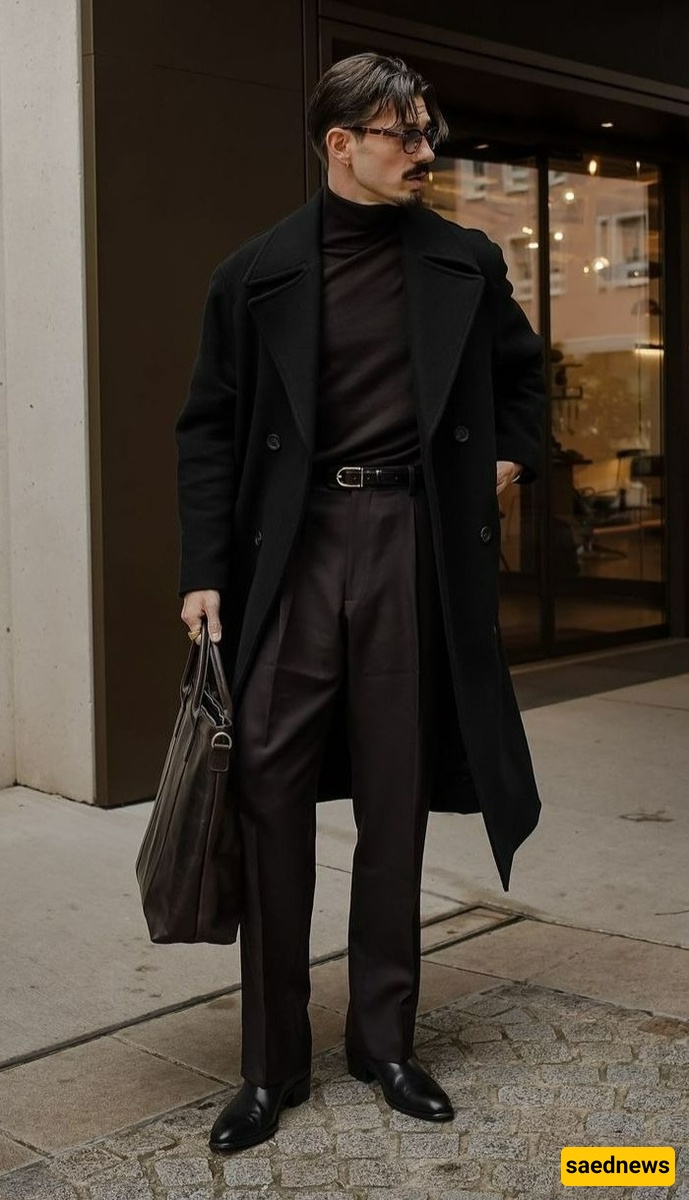
Black is timeless, representing elegance, simplicity, and sophistication. A black coat easily matches most outfits and is a reliable choice for both formal and casual occasions. Pair it with gray, navy, or denim pants and black or brown leather shoes.
Gray
Gray coats are versatile and flexible, coordinating with most colors. They can be styled with black, navy, or denim pants and black or brown shoes for a smart, balanced look.
Brown
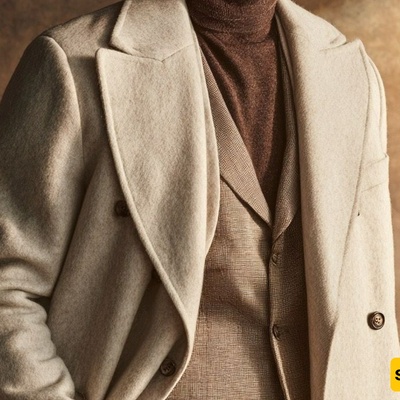
Brown conveys confidence and warmth. A brown coat pairs well with cream, navy, or black pants and brown or black leather shoes, creating a natural and cozy style.
Dark Green
Dark green coats add a dignified and distinctive touch to your style. They can be matched with gray, black, or navy pants and dark leather shoes for a refined and stylish combination.
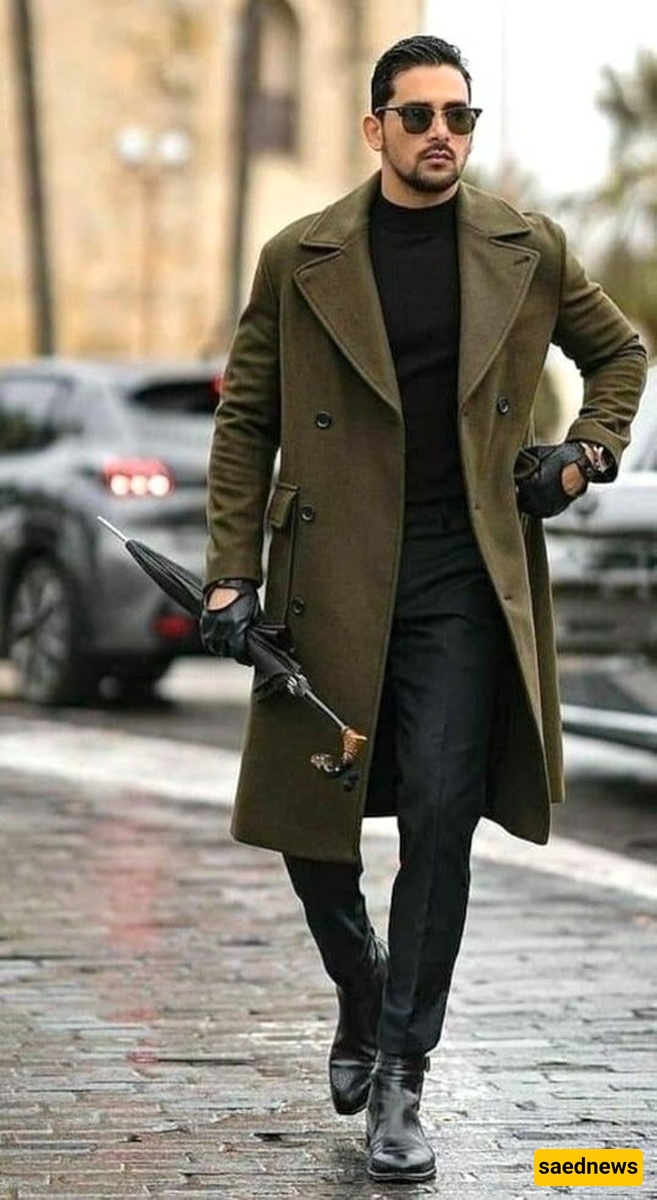
Some colors may make your outfit look washed out or clash with your overall style. To maintain a polished look, it’s best to avoid:
Pastel and very light shades: white, light beige, very pale gray — may make the face appear washed out.
Bright red: may be overwhelming on lighter skin tones; burgundy or red with purple tones are better alternatives.
To keep your style sophisticated and practical, some coat styles are not recommended:
Too Tight Coats
Tight-fitting coats restrict layering and limit warmth. They can also make your silhouette appear restricted and unbalanced.
Too Loose Coats
Oversized, baggy coats can look sloppy and heavy, diminishing a stylish appearance.

Light-Colored Coats for Winter
Light colors absorb less heat and are less practical for cold weather. Dark colors like black, navy, brown, or dark gray are better for warmth and style.
Coats That Don’t Match Your Style
A coat that clashes with your personal style disrupts your overall look. If your style is classic, avoid overly patterned or modern designs. For a sporty look, avoid very formal coats.
Low-Quality Coats
Poor stitching and fabric reduce durability and warmth. Always check the quality of materials and craftsmanship.

Select a Model That Fits Your Body Shape
Body shape determines the most flattering coat style. Pear-shaped figures should choose broader shoulders; apple-shaped figures should try single-button coats with a structured cut; hourglass shapes suit coats or jackets with a defined waist. The right model ensures a balanced and attractive silhouette.
Choose the Right Length
Coat length affects both appearance and warmth. Long coats keep your body and legs warm, ideal for very cold days. Short coats allow more freedom of movement in urban settings and are great for casual, everyday style.
Pay Attention to Size and Fit
A coat should fit well to allow layering and comfortable movement. Sleeves should reach the wrist, and when trying on the coat, sit and stand several times to ensure no area feels tight. The right size ensures comfort and style.

Consider Layers and Warmth
Double-layer coats provide more warmth and resistance to cold, rain, and snow, making them better for winter. Single-layer coats are lighter and suitable for mild days but require extra layers in extreme cold.
Check Fabric and Quality
Fabric affects warmth, comfort, and durability. Lightweight cashmere is warm and elegant; wool resists wear and moisture; silk provides a luxurious look. Choosing high-quality material ensures your coat looks great and lasts for years.