SAEDNEWS: Iron is a vital mineral essential for energy production, oxygen transport, brain function, and immune health. Adequate iron intake is particularly important for enhancing the performance of female athletes. Below, we highlight some key iron sources that can support their athletic goals. Stay tuned with SaedNews.
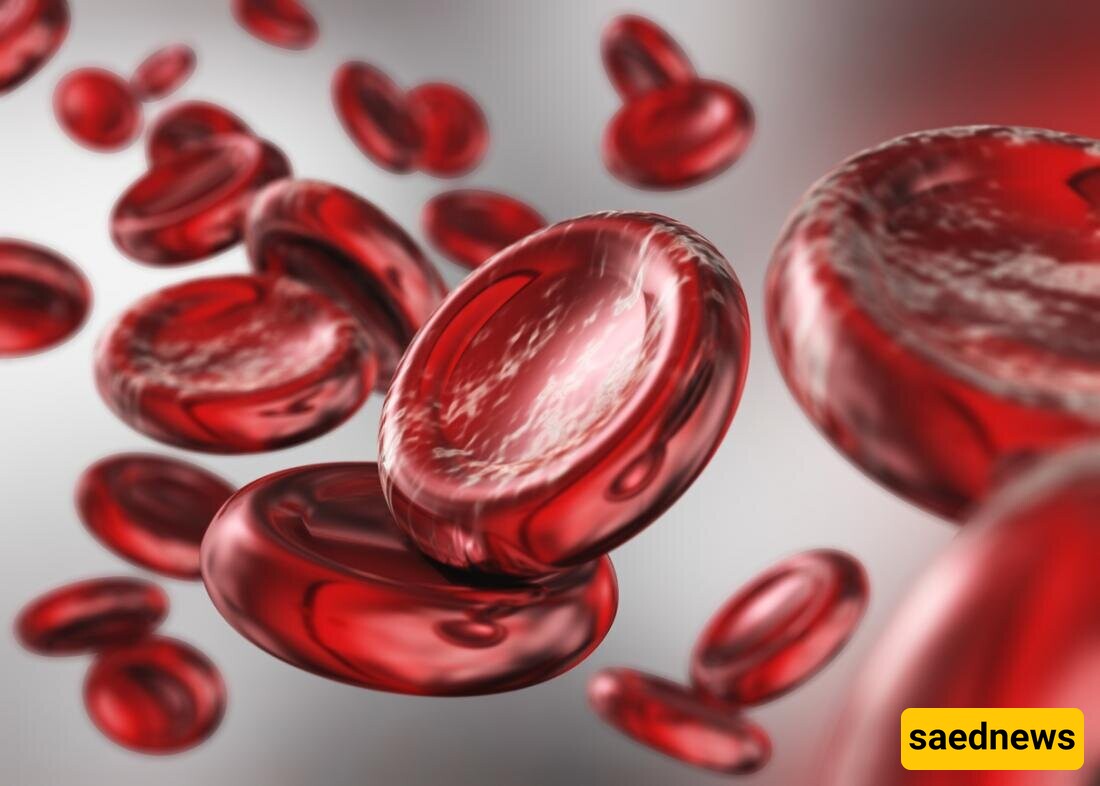
According to SAEDNEWS: Proper nutrition is critical for female athletes, and they need to pay close attention to it. Adequate iron intake is essential for female athletes because many of them suffer from iron deficiency, which might be due to dietary restrictions or menstrual cycle disturbances. Iron is recognized as one of the important nutrients for athletes. As previously mentioned in the Namnak Health sections, iron is necessary for the production of hemoglobin (a protein that helps red blood cells carry oxygen throughout the body). For this reason, athletes, especially female athletes who are at risk of iron deficiency and anemia, should ensure sufficient iron intake. Additionally, adequate iron consumption can help improve athletic performance, physical condition, and hormonal balance in female athletes. Moreover, women who undergo intense and strenuous training are advised to consume more calcium. These women are at greater risk of bone softening during puberty, so additional calcium intake can help increase bone resistance to fractures.
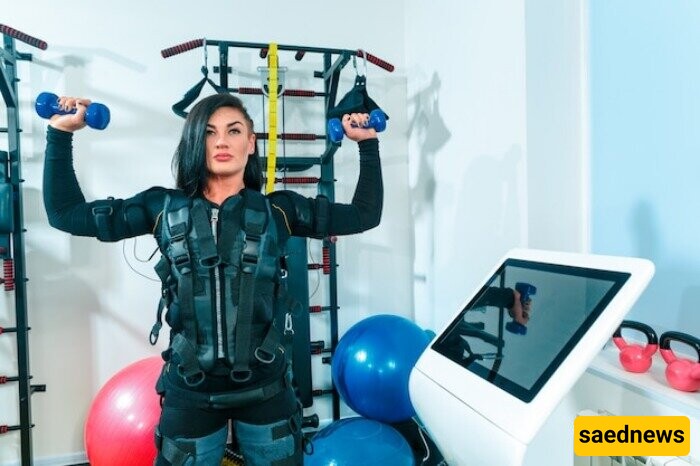
Anemia: Iron deficiency can cause anemia, leading to reduced ability to endure training and decreased athletic performance.
Decreased Athletic Performance: Iron deficiency can reduce an athlete's strength and endurance, often due to lower hemoglobin levels and decreased oxygen supply in the body.
Muscle Tissue Damage: Iron deficiency can cause muscle tissue damage, leading to decreased athletic performance and, in some cases, serious muscle injuries.
Bone Softening: Iron deficiency can lead to bone softening and decreased bone density, increasing the long-term risk of sports-related fractures. Ensuring sufficient iron intake in the daily diet and periodic iron tests for female athletes are crucial to prevent iron deficiency and improve athletic performance.
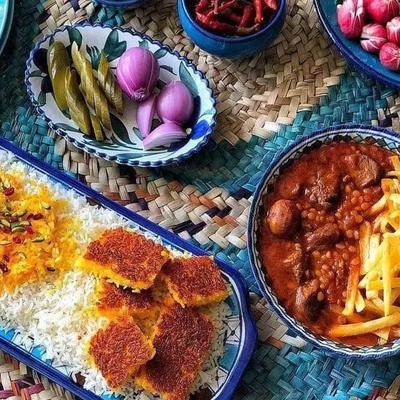
Red Meat: Red meat is one of the best iron sources for women.
Chicken: Chicken is an important iron source in the diet of female athletes.
Fish: Fish contains significant amounts of iron and omega-3 fatty acids, which are essential for overall health.
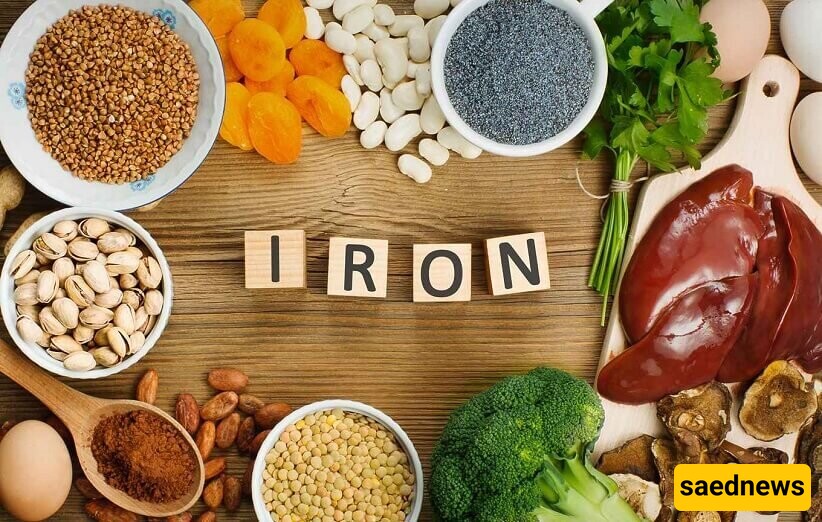
Beans and Chickpeas: Beans and chickpeas are rich in iron.
Whole Wheat Flour: Whole wheat flour also contains considerable amounts of iron.
Vegetables: Vegetables like spinach, parsley, and kale are good sources of iron.
Nuts: Nuts like almonds and pistachios are rich in iron.
Eggs: Eggs are also a good iron source.
Additionally, consuming vitamin C-rich foods can enhance iron absorption. Therefore, female athletes are encouraged to include fruits like oranges, grapefruits, and raspberries in their diet.
The body cannot produce the iron it needs, so it must absorb iron through diet or supplements. Insufficient iron intake can lead to iron deficiency anemia. I hope you found this sports therapy content enjoyable. Feel free to share it with anyone who cares about their fitness. For more related content, visit the Saed News sports section. Thank you for your support!