SAEDNEWS: Why We Cry: Scientists Aren’t Sure of the Exact Cause, but Research Reveals Its Effects on the Body
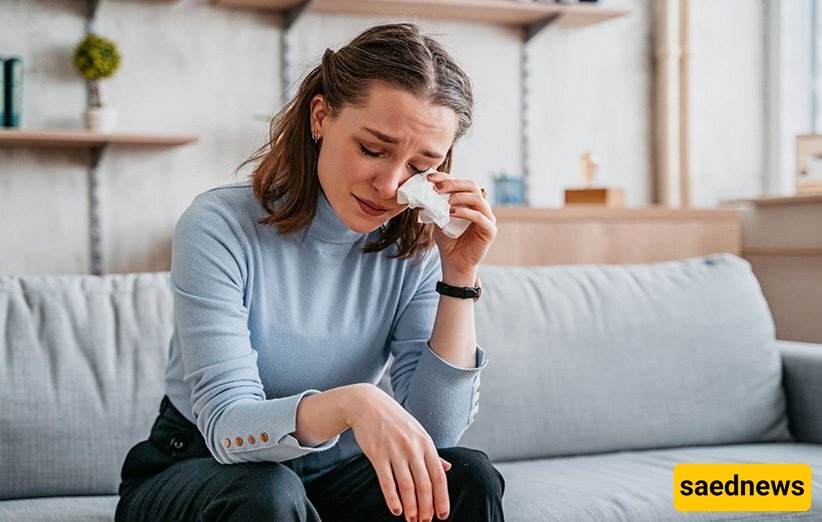
According to the Psychology Service of Saed News, citing Behdasht News, we cry when we feel sad, angry, hopeless, or even happy. Scientists don’t fully understand why we cry, but extensive research has examined its effects on the body. In this article, we explore the surprising benefits of shedding tears.
1. Relieves Stress
Studies show that crying helps reduce the pressure caused by emotional discomfort. In fact, it restores the body to balance and promotes relaxation.
2. Boosts Mood
If crying reduces stress, it naturally improves mood. Surveys suggest that about two-thirds of people feel better after crying. However, how others respond to our tears plays a crucial role in our emotional recovery. Supportive reactions enhance our mood, while ridicule can make us feel worse. Often, the mood lift after crying comes from receiving emotional support.
3. Can Sometimes Make You Feel Worse
Crying in the wrong place or around people who react negatively can intensify negative feelings. While crying at home with supportive people is beneficial, crying at work may be seen as inappropriate. Immediate effects of crying can worsen mood, but in the long term, it generally improves well-being. One study found that after watching a sad movie, participants initially felt worse, but their mood improved 20 and especially 90 minutes later.
4. Improves Communication
Crying enhances human connection. Originally, crying evolved so that infants could capture their mother’s attention. Unlike newborn animals, human babies rely on caregivers, and tears act as a visual signal to elicit help. In adulthood, this biological mechanism transforms into an emotional one: adult tears often signal a need for support.

5. Builds Bonds
Sharing tears with others shows vulnerability. Crying in front of supportive people strengthens feelings of connection and trust, encouraging empathy and emotional closeness. We tend to reserve tears for those we are close to rather than strangers.
6. Helps You Get What You Want
Crying can trigger reactions in others that work in our favor. Even unintentionally, tears may reduce anger, evoke guilt, or increase willingness to grant requests. Crying has social benefits, especially during conflicts, by calming others’ emotions.
7. Releases Pressure in Private
If crying is a communication tool, why do we cry alone? Likely, it helps us decompress after a stressful day, restoring calm and connecting with ourselves—or even with a higher power.
8. Helps Eliminate Body Toxins
Chemist William Frey’s research in the late 1970s and early 1980s suggested that emotional tears help remove unwanted toxins from the body. Emotional tears differ chemically from reflex tears (like those from cutting onions) and contain higher levels of certain proteins released during stress. More research is needed to confirm these findings.
9. Acts as a Natural Disinfectant
Tears contain lysozyme, a protein that can destroy harmful bacteria. While promising, this benefit is not yet conclusively proven.
10. Supports Eye Health
Tears keep eyes moist and healthy, protecting them from dust and smoke. Lack of tears can lead to dryness, discomfort, and even vision problems. However, excessive crying can irritate the eyes, causing redness and puffiness.
11. Linked to Sex Hormones
Higher testosterone levels in men are associated with less crying. Evidence from transgender individuals, men with prostate cancer on anti-androgen therapy, and some animal studies suggests testosterone suppresses crying. In women, changes in estrogen can increase crying before menstruation or after childbirth. Cultural factors also play a role: women typically cry more than men, partly because society allows it, while men may hide tears to appear strong.
12. Has Physical Effects
Crying is not only emotional but also physical. Hiccupping, headaches, runny noses, and body tremors are common effects. These occur due to heightened bodily arousal at the start of crying. Although crying ultimately promotes calm, the first few minutes are stimulating, increasing heart rate and sweating. More studies are needed to understand short- and long-term effects.
13. Influences Other Hormones
Crying may affect hormones beyond sex hormones. Prolactin, which rises after childbirth, facilitates crying and may explain postpartum tears. Crying also increases endorphins, natural mood boosters that relieve tension and promote well-being. This is why sad movies often make us cry.
14. Tears of Joy Calm the Body
Positive emotions can also trigger tears. Crying from joy, awe, or relief works similarly to emotional crying from sadness or anger, often peaking at the height of emotional experience. This explains why people cry at weddings, when seeing a newborn, or watching a beautiful sunset.
Crying is natural and can be beneficial. If you feel the need to cry, don’t hold back—tears are a healthy way to express emotions. However, frequent or unexplained crying may indicate depression, in which case consulting a professional is advised.