SAEDNEWS: Demand for Cosmetic Surgery in Animals Has Risen in Recent Years, Sparking Outcry from Animal Rights Advocates
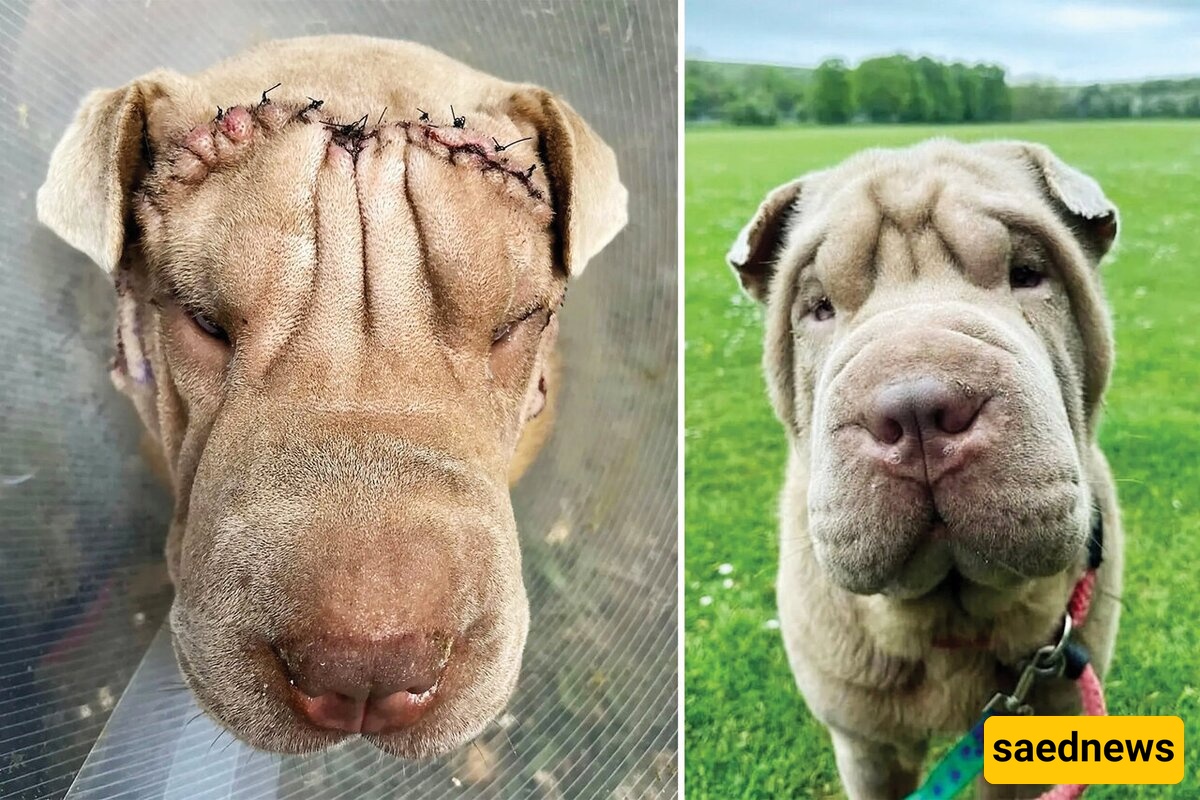
According to Saed News’ social service report, quoting Hamshahri, the number of people taking their pets to surgeons for cosmetic enhancement is on the rise. Some owners meticulously select or even import their pets from abroad, yet remain dissatisfied with their appearance and resort to altering them to achieve a more appealing look.
Common procedures include reshaping the nose, enlarging the eyes, tightening or stretching the skin, removing fat, sharpening drooping ears, injecting fillers or Botox, tattooing, and in extreme cases, altering or removing the larynx and vocal cords. Costs for these procedures can reach up to 20 million Iranian rials.
For example, an owner may want their dog’s ears to stand upright, which involves surgery and inserting a spring into the ear. While it achieves the desired look, it disrupts the animal’s body language, as every ear movement is a form of communication. Fixing the ears in place eliminates their natural function, impairing interaction with the environment.
Some owners go even further, manipulating their pets’ vocal cords to make their voice higher-pitched or removing the larynx entirely to prevent noise. In recent years, cosmetic surgery on pets has drawn criticism from animal rights activists. These procedures constitute animal cruelty, yet many owners are unaware of proper animal care and behavior. Over the years, activists have repeatedly expressed concern over this disturbing trend.
Veterinarian Mohammad Hamedian told Hamshahri Online: “Altering or cutting the ears of animals like dogs and cats can cause serious problems in their balance and temperament. Ear cropping removes part of the external ear canal, potentially leading to infections and significant hearing damage. Tail docking, another common procedure, interferes with a dog’s ability to express emotions, as tail movements are a primary means of communication.
Larynx surgery, sometimes performed to reduce barking in apartment dogs or to change vocal tone for aesthetic reasons, is one of the greatest forms of cruelty. Owners seeking such procedures often lack knowledge of animal behavior, treating dogs and cats as luxury items rather than sentient beings. Many cases of excessive barking are actually due to inadequate training, which a skilled behaviorist could easily resolve.”
Most cosmetic surgeries on pets involve ears, tails, and vocal cords, predominantly performed on dogs. Historically, shepherd dogs had their ears and tails altered to protect them from wild predators like wolves and leopards. While these practices were originally meant for protection, cosmetic surgeries today distort this purpose entirely, aiming solely to satisfy owners’ aesthetic preferences.
Animal rights activist Abdolreza Bagheri explains: “Surgery is acceptable only to solve a health problem or save a life. Cosmetic procedures constitute animal cruelty. For example, fixing a dog’s ears upright with surgical springs interferes with their natural body language, disrupting communication. The lack of laws against animal abuse exacerbates the problem. Judges and authorities should receive proper training in animal rights to issue deterrent rulings when violations occur. Education is crucial, yet training on proper animal treatment is insufficient, and when present, sometimes flawed.”