SAEDNEWS: Deutsche Welle reported, citing international affairs analysts, that the possibility of Iran closing maritime trade routes is one of the factors that has led Arab sheikhs to adopt a deterrence-based approach.
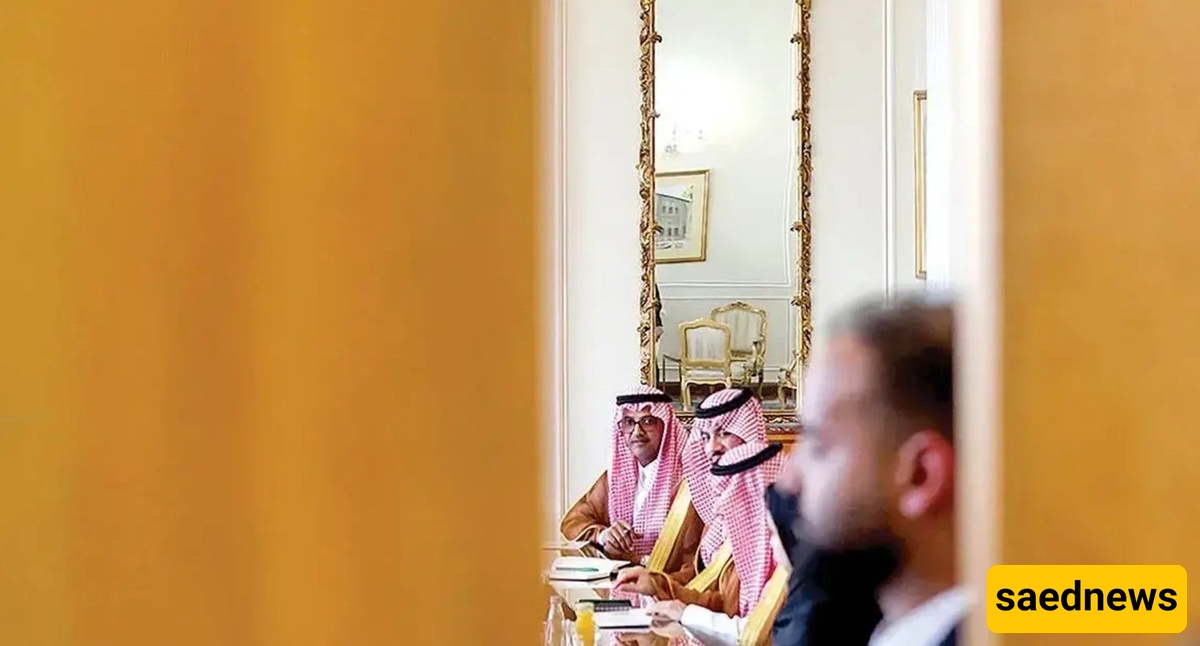
According to the political service of Saed News, quoting Donya-e-Eqtesad, the newspaper Donya-e-Eqtesad published a report titled “Sheikhdoms Behind the Scenes of ‘No’ to War,” which analyzed, citing two international media outlets, the policies of Gulf Arab governments regarding tensions between Iran and the United States.
In part of the article, it is mentioned that the UAE, unlike other Arab countries in the Gulf, sometimes even supports a U.S. attack on Iran.
Middle East Eye reported on January 22 that from Sudan to Lebanon and Syria, many Gulf countries, including Saudi Arabia, are trying to prevent the expansion of Iran’s influence in the region.
The June clashes and repeated threats from U.S. President Donald Trump, along with the weakening of Iran’s regional allies, have led these countries to make maximum efforts to take advantage of the existing vacuum in Middle Eastern geopolitics. Nevertheless, ongoing unrest has worried many of the Gulf emirates.
The news outlet continued: these countries believe that if Donald Trump takes military action against Iran, it would prevent a peaceful and diplomatic solution to the current complex situation.
Accordingly, any misstep by the White House could also derail efforts to reach an agreement for a peaceful resolution of Iran’s nuclear issue. In this regard, Joshua Yaffa, a senior researcher at the National Interest Research Center, stated: “Gulf countries ultimately prefer negotiation and calm over chaos and widespread disorder.”
On the other hand, there is a prevailing fear among Arab governments that hostile U.S. actions could provoke a strong Iranian response and extend the conflict to their borders.
Yasmin Farouk, head of the Middle East program at the International Crisis Group, told Middle East Eye: “Undoubtedly, Arab countries have taken advantage of the vacuum, but in the end, no one wants the conflict in the region to escalate.”
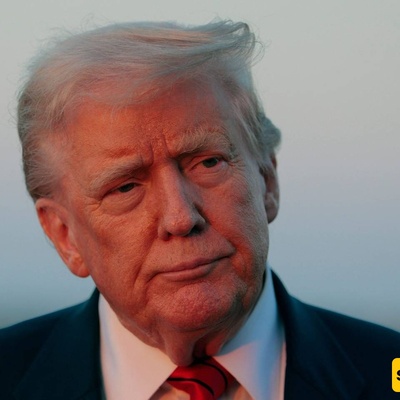
Meanwhile, according to this news outlet, amid rising tensions and concerns over another war in the Middle East, Donald Trump announced that a massive fleet is heading toward Iran, hoping it will not need to be used.
On his return flight from the Davos summit, the White House chief claimed: “Many ships are moving that way. A large fleet is heading there, and we will see what happens. A major force is moving toward Iran. I prefer that nothing happens. We are closely monitoring them. A huge force is moving extensively that way. Perhaps we won’t need to use it. We will see.”
According to Middle East Eye, one of the main concerns of Gulf countries is getting caught in the fire of potential Iran-U.S. conflicts. Countries like Saudi Arabia and Qatar host several U.S. military bases, and tensions from Washington could prompt Tehran to target these locations in response. It should not be forgotten that during the June clashes, Iran attacked Al-Udeid Air Base, which hosted American forces.
In this regard, an informed source told Middle East Eye that countries like Saudi Arabia prefer to resolve the issue entirely through diplomatic channels, as reigniting the conflict would ultimately embroil everyone in the region. The source said: “The Middle East is our region, and we can reach a comprehensive solution. Despite the current crises, diplomatic solutions remain possible.”
Earlier, the Lebanese newspaper Al-Akhbar had reported that Trump accepted Saudi Crown Prince Mohammed bin Salman’s proposal for Riyadh to mediate between Tehran and Washington.
Meanwhile, The Wall Street Journal reported on January 14 that while the Trump administration warned Arab countries to prepare for a potential U.S. attack on Iran, Riyadh initiated a diplomatic pressure campaign to dissuade Washington from military action against Tehran.
According to Gulf Arab officials, the message to the White House is clear: attempts to start a conflict with Iran would shake global oil markets, harm the U.S. economy, and, most importantly, bring instability to their borders.
The Wall Street Journal reported that Arab countries fear any military attack on Iran could disrupt tanker traffic through the Strait of Hormuz, a waterway through which about one-fifth of the world’s oil passes. Saudi officials told the newspaper that Riyadh has assured Tehran it will not participate in any potential conflict and will not allow its airspace to be used for U.S. strikes.
Similarly, Deutsche Welle reported on December 23, analyzing the Gulf Arab countries’ approach to the current situation, that many of the region’s sheikhdoms are worried about an escalation of violence.