SAEDNEWS: Pen weaving is one of the many traditional handicrafts, and in this article, we’ll introduce you to it. Stay with SaedNews.
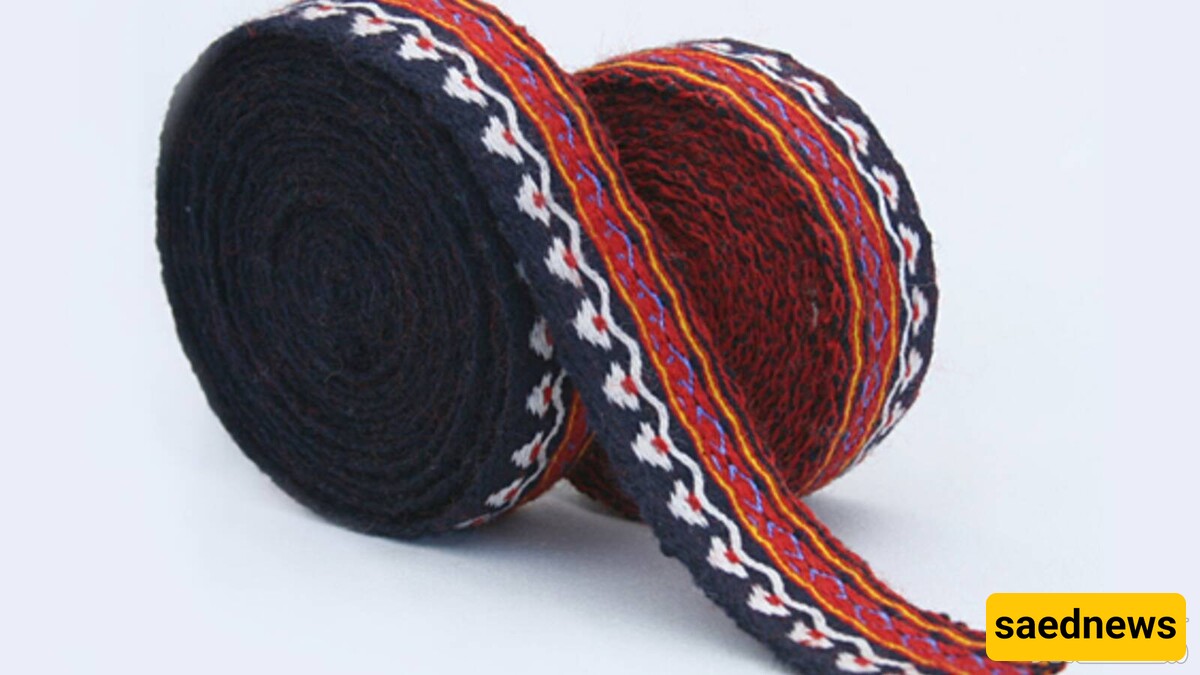
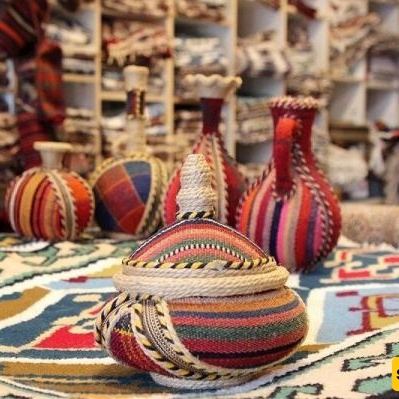
According to SAEDNEWS: Pen weaving, also known as card weaving or ribbon weaving, is a traditional handicraft of the Alamut region in Qazvin. This art form falls under the category of traditional textiles. The products made from this weaving, which are typically crafted by the women of the region, are highly durable and strong, serving various purposes. The most common uses of these handcrafted textiles are in the garment industry and clothing design. They are used for decorating collars, edges of skirts or sleeves, belts, shoe laces, mobile straps, ties, and even baby carriers. Additionally, if the thread used is thicker, it is also applied for purposes like tying tents, or as reins for horses and camels.
The history of this art is somewhat unclear, and the exact time and manner of its introduction to Iran remain uncertain. The oldest known pen weaving artifact in the world originates from Egypt. The raw materials used in this art include natural and sometimes synthetic fibers, but the most common is silk thread, which is referred to as "crooked thread" in the weaving process.
The tools used for pen weaving include:
Work rod: A horizontal wooden stick of 1 to 3 meters in length and about 20 cm wide and 10 mm in diameter, installed vertically at both ends with two short rods.
Chaper: A square, rectangular, triangular, or polygonal-shaped board with holes in various angles to allow threads to pass through.
Knife: A tool resembling a kitchen knife, used for securing the threads.
Pouch twister: A tool around which threads are wound for use in the weaving process.
Thread gatherer: A 23 cm long stick used to tie the threads after weaving.
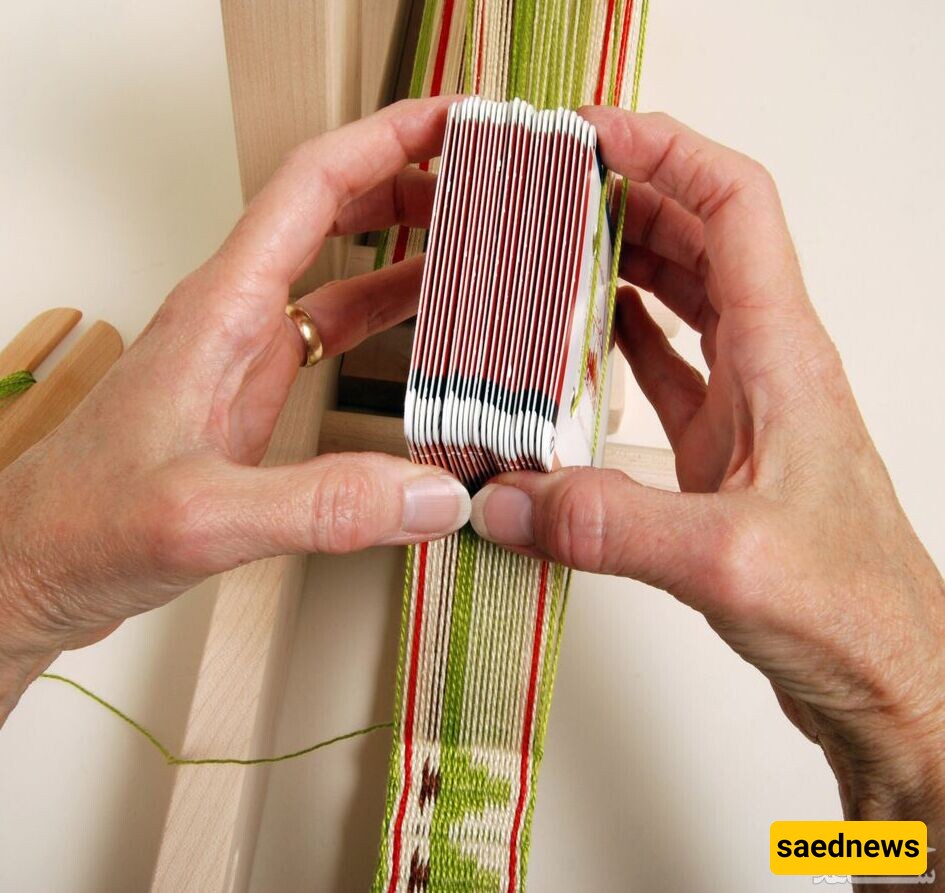
The process of weaving involves using square cards that vary in size from 6 to 9 cm. These cards, traditionally made from ivory, cowhide, gazelle skin, pottery, and fiber, are now commonly made from thin wood or plastic. Once the cards are threaded, they are grouped together, and by rotating them, a set of threads are lifted to create an opening through which the weft (horizontal threads) can pass. The technique relies on rotating the cards, causing the threads to twist around each other, which makes the woven ribbon stand out.
The weaving technique involves threading the warp (vertical threads) through holes in the cards, alternating between upper and lower holes. As the cards rotate in different directions, the threads are interwoven to create the desired pattern. After the weaving process, the work is checked for consistency, and any knots or discrepancies are corrected.
Pen weaving in Qazvin is traditionally done using two methods:
Wall method: The warp threads are stretched on nails mounted on a wall.
Ground method: The threads are laid flat on the ground for easier access.
Pen weaving is used for decorating the collars and hems of women's long dresses, skirts, and men's traditional garments. It is especially prevalent in the villages of Alamut, including Aliabad, Ovirak, Vashtah, and Darchak, with Aliabad being the center of this craft in the region.