SAEDNEWS: A person whose neck skin has darkened or turned black may notice changes in the texture of the skin, such as thickening. In this article, we explore the possible causes of dark neck skin and discuss potential treatments.
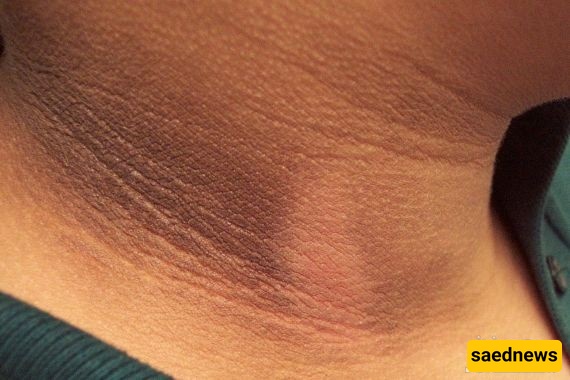
According to Saed News, quoting Salamaneh: The skin on the neck is prone to darkening due to hormones, sun exposure, or other skin-related factors and conditions. Although most causes of dark neck skin are not medical emergencies, it is always best to consult a doctor for an accurate diagnosis.
A darkened neck or hyperpigmentation of the neck skin can be bothersome but is often treatable. If someone is unsure why their neck is dark or experiences symptoms such as itching or pain in that area, they should see a doctor.
Potential causes of dark neck skin include:
A rare skin condition in which the skin becomes thickened, dark, and velvety. This can appear on the neck, often in people who are overweight or have diabetes. While generally harmless and non-contagious, in rare cases it may indicate a more serious condition, such as stomach or liver cancer.
A skin condition caused by inadequate cleaning, where dead skin cells, oils, sweat, and bacteria accumulate, resulting in discoloration and plaques. The neck is particularly prone because it is often not washed thoroughly or exfoliated, allowing these residues to build up.
A genetic disorder that can cause hyperpigmentation of the neck. Dark patches may appear, along with white spots inside the mouth, thinning nails, and sparse eyelashes.
This condition causes grayish, bluish, or black-and-white blotches on the neck and chest, and sometimes the pelvis. It is benign and not indicative of an underlying disease.
Repeatedly elevated blood sugar can darken the neck. This is particularly common in women with polycystic ovary syndrome (PCOS).
A common fungal infection often treated with topical antifungal creams. Severe cases may require oral antifungal medication.
Regular scrubbing with soap and water can reduce darkening. Soaking the neck in water and applying a warm compress can help remove stubborn, accumulated tissue.
Contrary to commercial claims, skin-lightening creams and scrubs do not cure this condition. Treating the underlying causes, such as high blood sugar or obesity, is necessary.
Topical tretinoin can help by accelerating exfoliation and promoting new skin growth. Laser treatments may also be beneficial.
Positive dietary habits and lifestyle adjustments can help prevent neck darkening. Recommended actions include:
Washing the skin with soap and water twice daily
Regular exfoliation several times a week to remove dead skin
Daily use of sunscreen
Maintaining a healthy diet rich in fruits and vegetables
Certain compounds may help reduce dark neck skin, though scientific evidence is limited. These include:
Arbutin
Azelaic acid
Kojic acid
Licorice extract
Mulberry extract
Turmeric
Vitamin C
Tretinoin
These compounds can be incorporated into masks, creams, or homemade formulations. However, it is important to test any product on a small skin patch for 24 hours to check for allergic reactions before widespread use.