SAEDNEWS: Ginger is a plant originally from China and India. Thanks to its very warm nature, it has unique warming properties and can help in the treatment of many ailments.
According to Saed News and Behdasht News:
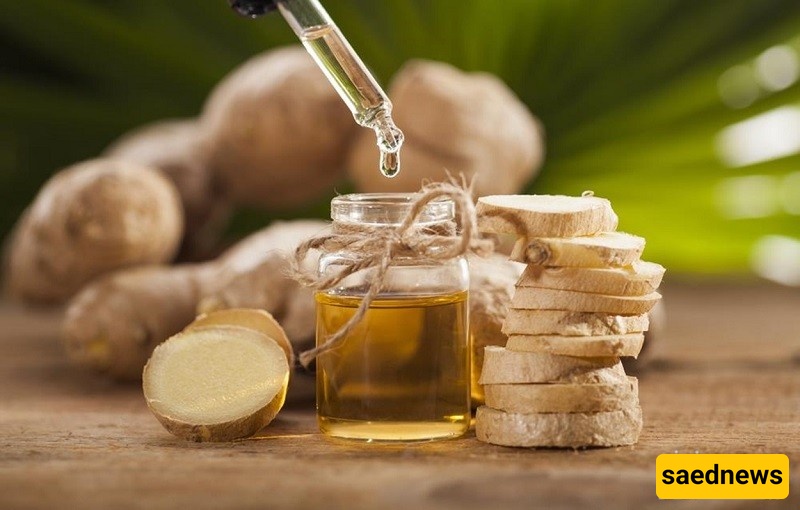
Various products can be derived from the fresh or dried root of the ginger plant. One of these is ginger oil. This article explores the health benefits of ginger oil, how to make it at home, and potential precautions.
Calories: 79 Cal
Carbohydrates: 17.86 g
Dietary Fiber: 3.6 g
Protein: 3.57 g
Sugar: 0 g
Sodium: 14 mg
Iron: 1.15 g
Vitamin C: 7.7 mg
Potassium: 33 mg
Other trace nutrients include Vitamin B6, magnesium, phosphorus, zinc, folate, riboflavin, and niacin.
Ginger oil, like the plant itself, has a warm and dry nature. Its main medicinal benefits include:
Anti-inflammatory effects: Ginger oil is rich in compounds that reduce inflammation and help relieve muscle, joint, and headache pain, including migraines. Massaging the body with ginger oil can ease menstrual cramps and muscle tension.
Traditional uses: In traditional medicine, ginger oil has been used to treat yellow fever and malaria.
Sexual health: Both ginger root and oil are known to enhance sexual vitality. They can help men overcome weakness, sexual dysfunction, and premature ejaculation.
Heart health: In some countries, especially in Chinese medicine, ginger oil is believed to strengthen the heart and prevent cardiovascular diseases. Studies indicate it may help lower cholesterol, prevent blood clots, and reduce the risk of heart attacks.
Respiratory support: Ginger oil can alleviate respiratory issues such as colds, asthma, coughs, influenza, and bronchitis.
Digestive aid: It can relieve indigestion, bloating, diarrhea, cramps, and other stomach and intestinal issues. Its antimicrobial and carminative properties make it effective against food poisoning, internal infections, and bloody diarrhea. Small oral doses of ginger oil can calm stomach inflammation and general digestive discomfort.
Relaxation and pain relief: Ginger oil has calming and analgesic properties. Massaging with it promotes relaxation, energy, and happiness. Adding it to warm bathwater can help relieve pain and stress.
Muscle care: Massaging sore or twisted muscles with ginger oil can relieve cramps and back pain.
Blood pressure regulation: Regular use of ginger oil may reduce the risk of high blood pressure by up to 85%. It blocks calcium channels, lowering blood pressure naturally.
Ginger oil is extracted from the ginger root, and its spicy, warming flavor comes from a compound called Gingerol.
Method 1:
Crush fresh, peeled ginger root.
Boil it for 10–15 minutes.
Strain the liquid and combine it with half its weight in sesame oil.
Boil again until the water evaporates, leaving only the oil.
Method 2:
Wash and grate one cup of fresh ginger root.
Add two cups of olive oil.
Place the mixture in the oven at the lowest temperature for two hours.
Strain through a sieve and store in a cool, dark, dry place.
The most common side effect is skin irritation, redness, or itching. Test a small amount on the skin before full use.
People with severe ginger sensitivity may experience bleeding disorders, high blood pressure, low blood sugar, digestive discomfort, or localized inflammation from oral consumption.
Ginger oil should not be used by pregnant or breastfeeding women or children under two years old.