SAEDNEWS: From a Handcrafted Retreat in Rishikesh to an Underground Home in Shoolagiri: Five Mud Houses in India Show How Traditional Architecture Can Blend with Modern Design and Contemporary Living
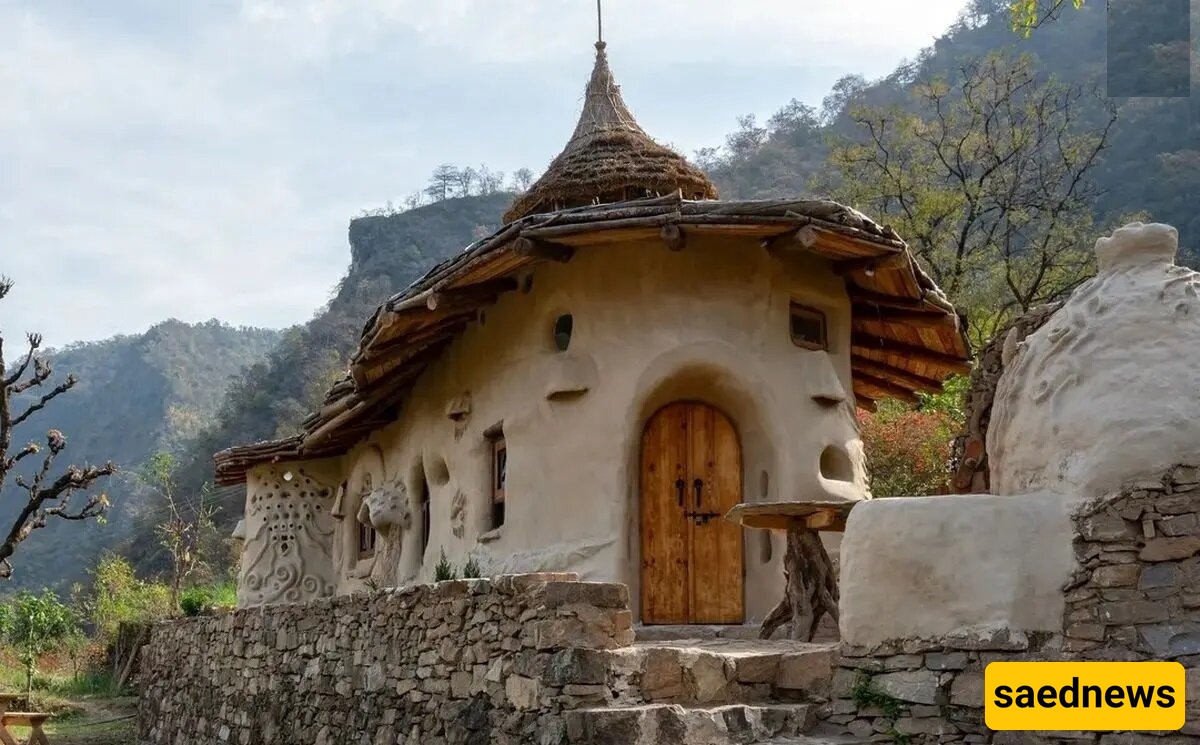
According to Saed News’ design desk, since humans first inhabited the Earth, finding or building shelter has been a fundamental need. Over time, however, as comfort and convenience became priorities, the natural connection between homes and the environment weakened. Today, with the climate crisis intensifying, architects are increasingly turning to sustainable and climate-responsive methods to reduce the carbon footprint of buildings.
These mud houses demonstrate that returning to traditional construction methods does not mean abandoning modern design and functionality. Instead, it is possible to create architecture that is beautiful, practical, and environmentally friendly at the same time.
On the slopes of Ooty, in the Mettupalayam region, architect Pachimuthu Kandi and his team at Earthscape Studio have built a home they describe as a “sculptural, sustainable refuge.” The 135-square-meter structure was designed for a real estate investor and serves as a prototype for future farmhouses.
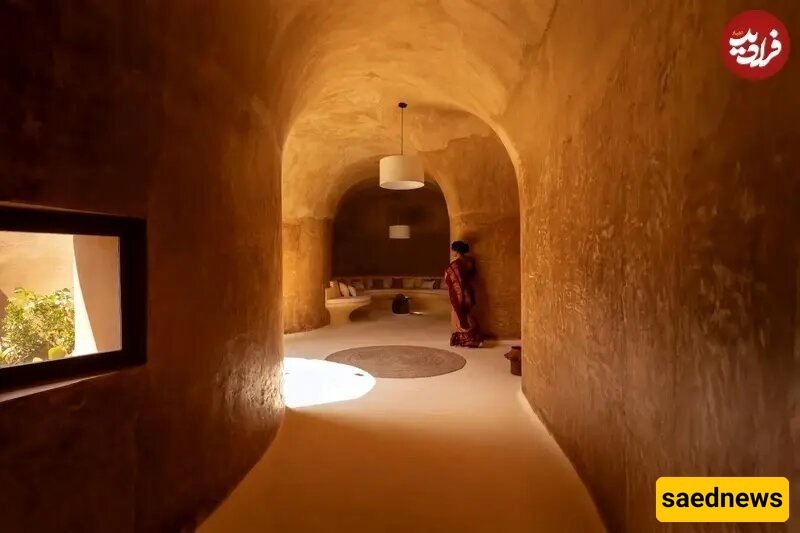
Named “Into the Wild,” the house draws inspiration from South American architect Eladio Dieste, known as the “master of brick,” who created innovative structures without using straight beams or flat walls.
A large portion of materials used in this project were recycled or reused. Despite the region’s highly humid climate, the indoor temperature remains 5 to 6 degrees Celsius cooler than outside. According to Kandi, this natural cooling effect is achieved through layers of mud and lime plaster. The elimination of beams and columns also helped reduce the project’s carbon emissions.
A couple seeking a home close to nature asked architect Rishabh Jain to design a space inspired by traditional mud houses of the Kanha region—one that preserves a sense of traditional living while also offering modern amenities, abundant natural light, and open spaces for gatherings.
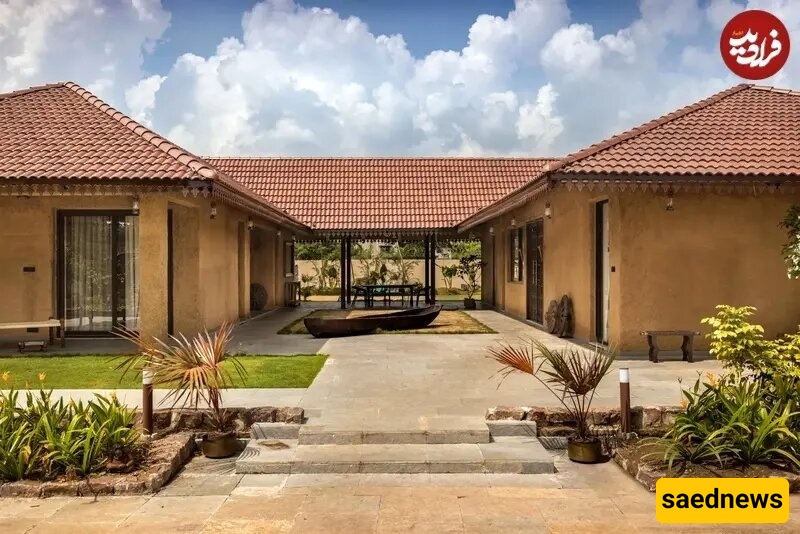
In this home, mud and wood are left exposed to maintain harmony with the surrounding environment. Jain explains that the goal was to build a house with minimal environmental impact while maintaining aesthetic appeal.
The walls were constructed using a mixture of mud, sand, rice husk, and cow dung, while lattice-style roofs were made from locally sourced bamboo. Working with mud became a rewarding experience, as the construction team directly participated in mixing materials and learned from local traditions.
Along the banks of the Indus River, in the green plains of Ladakh, architects Faiza Khan and Suril Patel designed a modern home deeply rooted in traditional regional architecture.
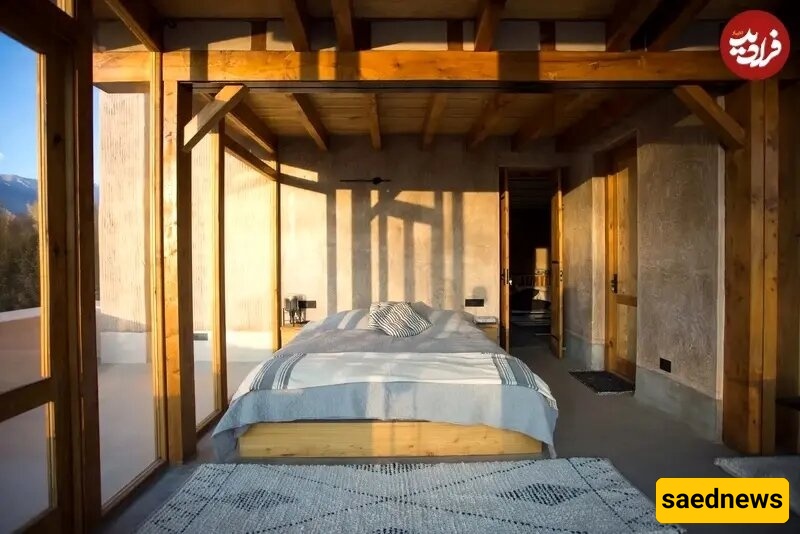
They used locally sourced materials such as wood, mud, lime, and granite to create a structure adapted to Ladakh’s harsh climate. Thick mud walls, a dry stone foundation, and a passive solar heating system allow the building to withstand extreme cold conditions.
One notable feature is the exterior finish, created using the traditional “shash kalak” technique, in which texture is formed on wet mud using fingers instead of tools. A mixture of mud and wheat straw was also used to prepare the mortar.
The “Chuzhi” house, designed by renowned architect Vinu Daniel, is an example of camouflage architecture—structures that blend seamlessly into the natural landscape.
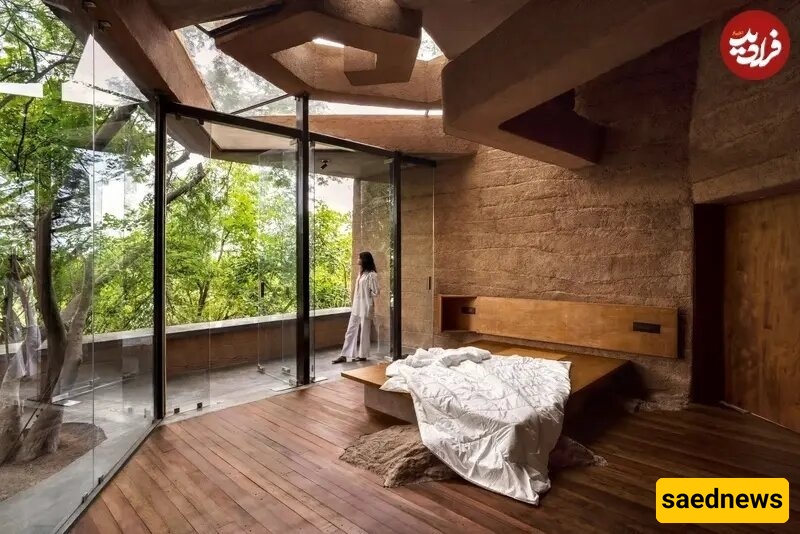
Built in an area previously considered unsuitable for construction, Daniel saw it as an opportunity to experiment with sustainable design. Influenced by architect Laurie Baker and Gandhian philosophy, he believes homes should be built using locally available materials.
Interestingly, the spiral sections of the house are made from composite beams incorporating recycled plastic bottles.
Daniel argues that modern architecture has marginalized mud, labeling it a “poor and cheap” material, while in reality, generations in India grew up in mud homes that are durable and resilient.
Siblings Ansh and Raghav Kumar turned their dream of mountain living into reality by building a small retreat in Rishikesh. Raghav is an architect and Ansh is an artist; together, they combined their skills to create a unique rural home.
The project was built with the help of volunteers from around the world. More than 90 people from 18 countries participated over 547 days.
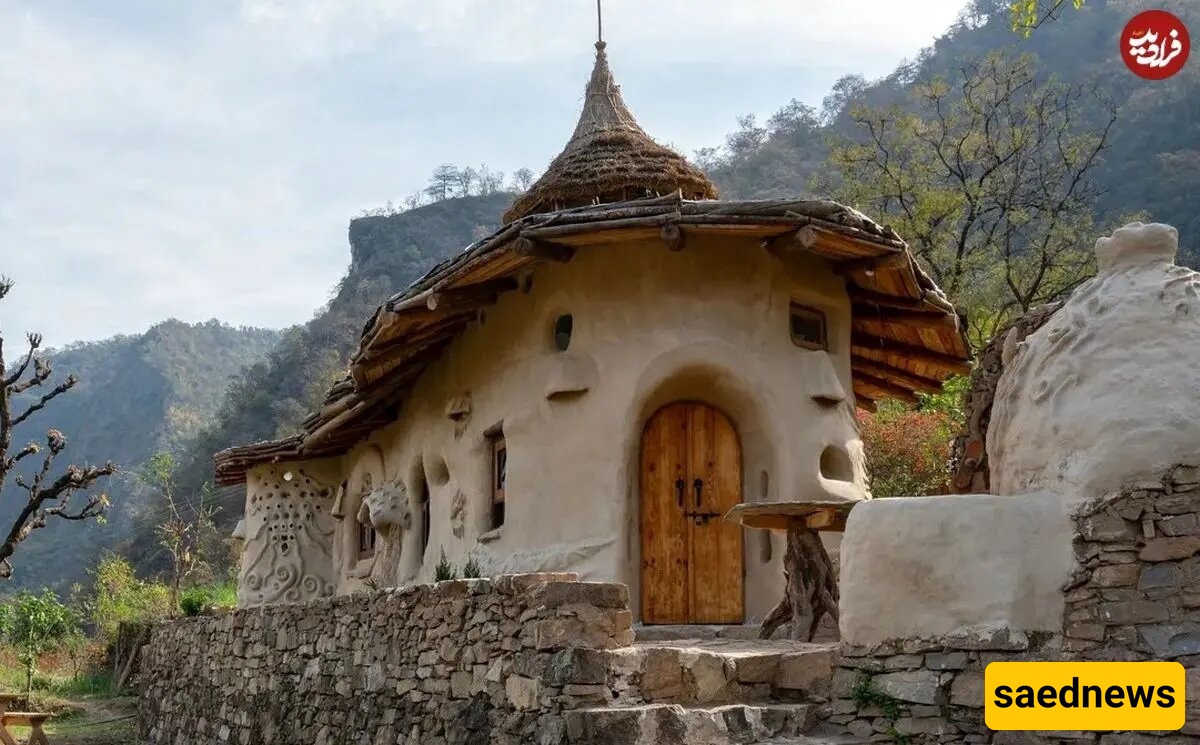
The 55-square-meter house was constructed using mud sourced just 150 meters from the site. Its exterior is decorated with handcrafted sculptural elements.
The builders describe the process as deeply communal. Each day of mixing mud, straw, and water was accompanied by music from different cultures, making the construction itself part of the home’s spirit.
As Raghav explains, “They say form follows function, but in our home, form follows the community that built it.”