SAEDNEWS: When psychological stress rises for any reason, paying attention to what we eat should become a priority. In such situations, we should choose foods that do not intensify fatigue and stress, and instead support mental calmness and emotional well-being.
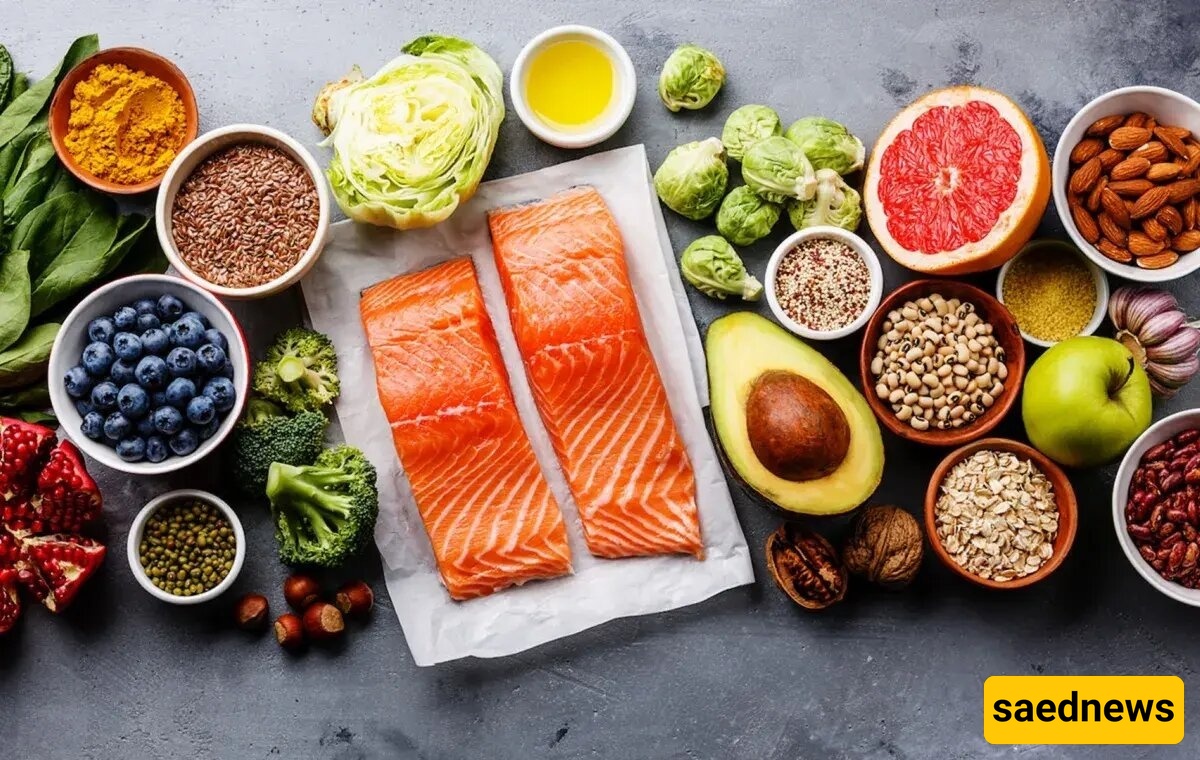
According to the Saed News Family Service, when psychological pressure increases for any reason, paying attention to diet should become a priority. In such situations, it is important to choose foods that do not intensify fatigue and stress and that support mental and emotional calm.
Why does this matter? Because when the body consumes unsuitable foods, it can enter a state of alert before the mind does. Sleep becomes lighter, and concentration is disrupted. In contrast, making smart food choices can reduce tension, keep the nervous system balanced, and prevent mental exhaustion.
The best anti-stress and anxiety foods are often simpler and more accessible than people expect.
Some nutrients are even essential for maintaining emotional stability, and their absence may increase restlessness and mental fatigue—even without external stressors.
Magnesium plays an important role in calming the nervous system. It helps regulate nerve signals and prevents constant muscle contraction. A lack of magnesium may lead to irritability, unexplained anxiety, and sleep disturbances.
Accessible sources of magnesium include:
Dark leafy greens such as spinach and chard leaves
Nuts such as almonds, walnuts, and hazelnuts
Pumpkin seeds, sesame seeds, and sunflower seeds
Legumes such as lentils and chickpeas
Including these foods in the daily diet can significantly help manage stress levels.
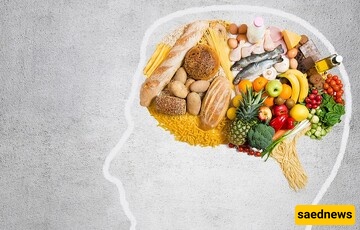
While some carbohydrates may worsen anxiety, whole grains have the opposite effect. They gradually raise blood sugar and prevent sudden drops in mental energy.
Safe options in this category include:
Whole grain bread
Brown rice
Oats and barley
These foods help keep the brain in a stable state and reduce emotional reactivity.
Some foods directly influence the production of serotonin and dopamine—hormones that support feelings of safety, calmness, and emotional stability.
Bananas contain potassium, vitamin B6, and natural carbohydrates. This combination supports nerve function and helps reduce muscle tension caused by stress. They are especially helpful during periods of low energy.
Dark chocolate with a high cocoa percentage contains antioxidants that help reduce cortisol levels. When consumed in moderation, it can:
Improve mental satisfaction
Enhance focus
Reduce intense nervous reactions
This is why it frequently appears in lists of anti-stress foods.
The gut plays a key role in regulating mood. Foods like yogurt, kefir, and fermented dairy drinks strengthen beneficial gut bacteria and improve the gut-brain connection. This helps the body respond more calmly to psychological stress.
Chronic inflammation can increase and prolong stress. An anti-inflammatory diet is one of the most effective long-term strategies for reducing psychological pressure.
Fish such as salmon, sardines, and tuna are rich in omega-3 fatty acids. Scientifically proven benefits include:
Improved cognitive function
Enhanced memory and focus
Balanced stress responses
Even high-quality canned fish can be a practical option.
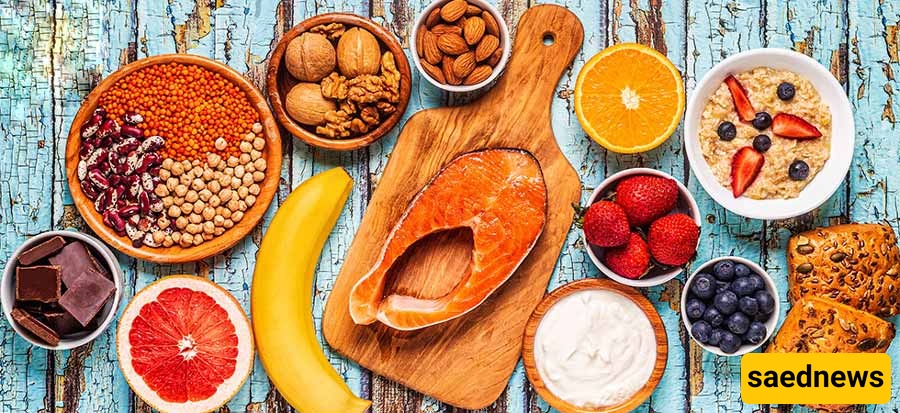
Green tea contains L-theanine, an amino acid that promotes relaxation without causing sleepiness. This makes it ideal for stressful days when mental clarity is still needed.
Turmeric, along with spices like ginger and cinnamon, helps reduce inflammation and improve circulation. Regularly adding them to meals can create gradual but lasting improvements in stress regulation.
Just as beneficial foods matter, avoiding harmful ones is equally important:
Simple sugars and sweets: cause blood sugar fluctuations
Excess caffeine: increases heart rate and restlessness
Processed foods: worsen inflammation and fatigue
Energy drinks: overstimulate the nervous system
Reducing these can enhance the effects of calming foods.
During periods of high psychological pressure, complex solutions are not always necessary. Proper nutrition is one of the simplest and most effective tools for managing stress.
The best anti-stress and anxiety foods are those that help regulate hormones, reduce inflammation, and stabilize blood sugar—supporting both mental clarity and emotional balance.