SAEDNEWS: US Intelligence Reports Contradict President’s Claims About Iran’s Missile Facilities Being Inoperable
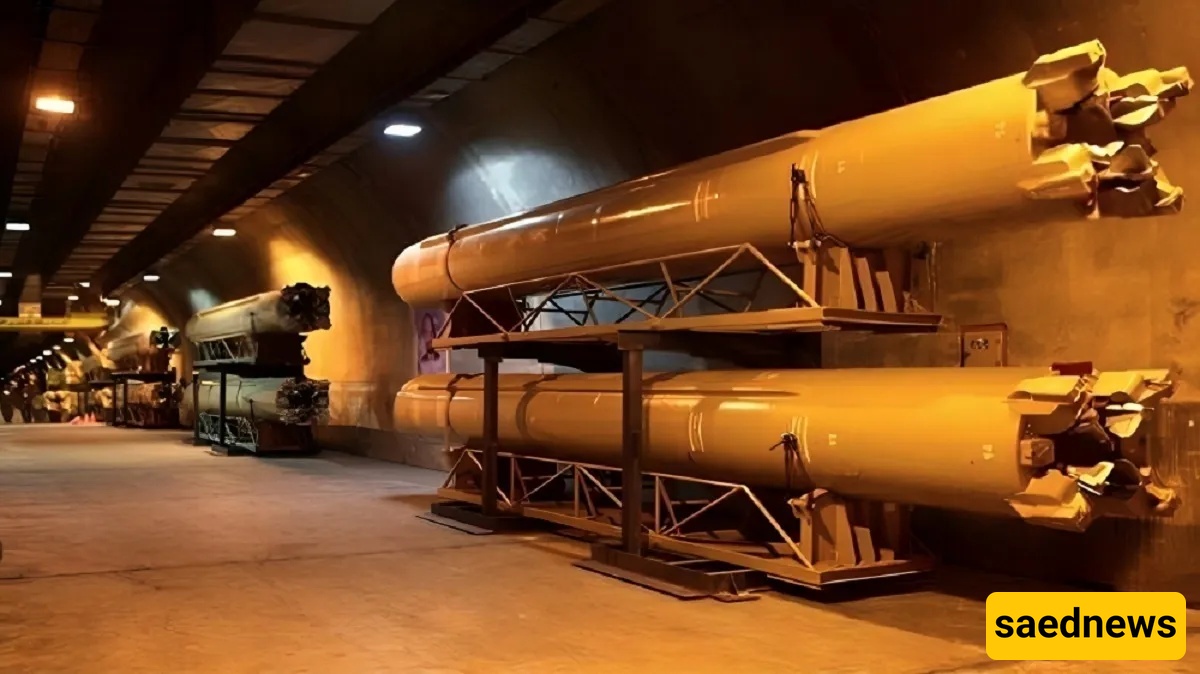
According to Saednews report cited by The New York Times, U.S. intelligence assessments contradict statements made by President Donald Trump regarding the alleged destruction or unusability of Iran’s missile facilities and bases.
Based on American intelligence and security sources, the report states that Iran retains operational access to the majority of its missile infrastructure. Approximately 90% of its missile sites are still functional, despite previous claims suggesting otherwise.
The report further notes that Iran has restored operational access to 30 out of 33 missile sites along the Strait of Hormuz. These installations are considered strategically significant, as they could threaten U.S. naval vessels and oil tankers passing through this key maritime corridor. Only three sites in the area are said to remain completely inaccessible.
Intelligence findings also suggest that, depending on the level of damage sustained, Iran can relocate missiles using mobile launchers positioned within these facilities. In some cases, missile launches can still be conducted directly from platforms that are part of the infrastructure itself.
U.S. intelligence agencies estimate that Iran has maintained around 70% of its mobile missile launchers across the country, along with nearly 70% of its pre-war missile stockpile. This arsenal reportedly includes ballistic missiles capable of striking regional targets, as well as a smaller number of cruise missiles designed for shorter-range land or maritime operations.
The report argues that recent intelligence assessments indicate Trump and his military advisers may have overstated the effectiveness of U.S. strikes on Iran’s missile infrastructure, while underestimating Iran’s resilience and ability to recover operational capacity.
It also highlights a broader strategic concern: in the event of renewed conflict following a fragile ceasefire, the U.S. could face limitations in its own munitions stockpiles. Weapons such as Tomahawk cruise missiles, Patriot interceptors, and precision strike systems have already been heavily used, while defense production capacity struggles to replenish supplies quickly.
The report adds that continued military escalation would further deplete U.S. reserves at a time when industrial output remains insufficient to rapidly restore stock levels. Meanwhile, Iran is assessed to still retain substantial military capability, particularly around the strategically vital Strait of Hormuz.
Finally, the analysis suggests that Iran’s sustained military readiness is raising concerns among U.S. allies and fueling debate over the risks and sustainability of prolonged conflict, especially given the strain on American defense resources and production timelines.