SAEDNEWS: If you are looking for a homemade fertilizer for your indoor plants and do not want to use chemical fertilizers, we recommend trying tea fertilizer and observing the effect of tea waste on the growth of your plants.
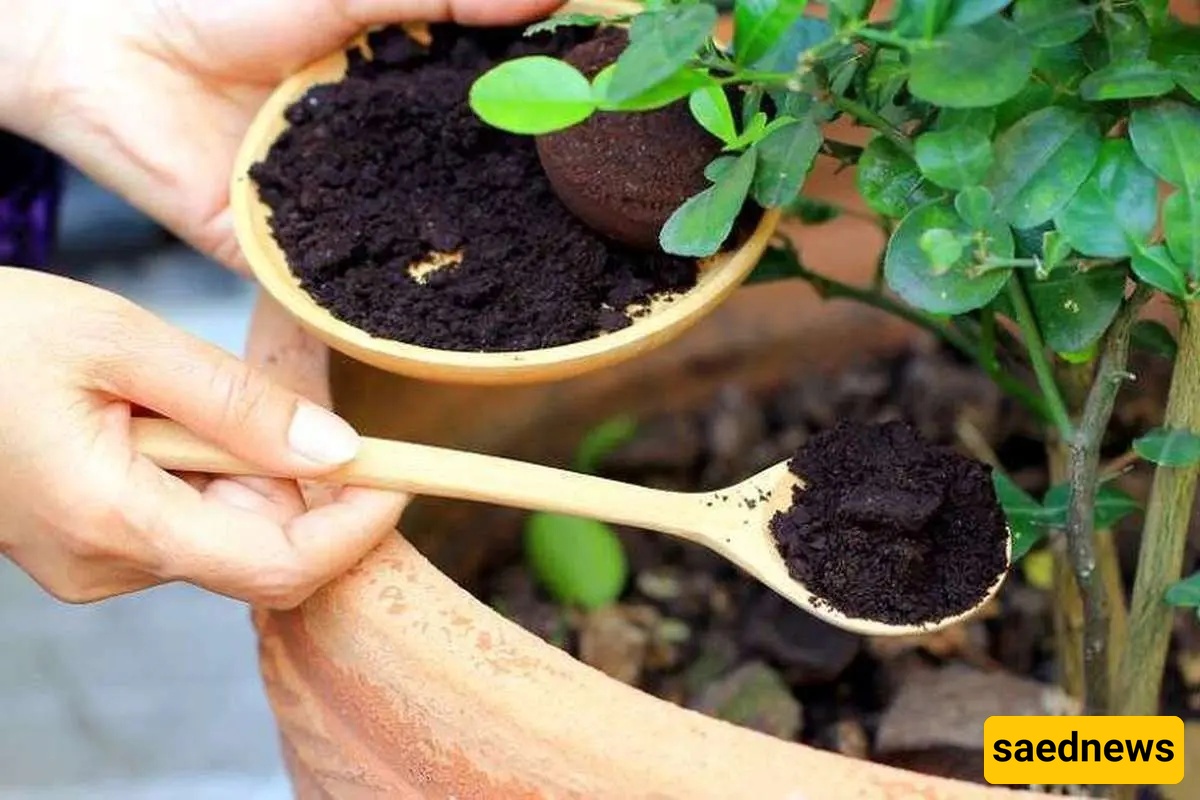
According to Saednews, do you enjoy drinking tea and want to reuse tea leaves in a useful and eco-friendly way? The good news is that used tea leaves, often considered waste, are actually a valuable resource for your garden and houseplants. In this guide, you will learn how to easily make natural fertilizer at home using tea waste. This method not only supports healthy plant growth but also helps reduce household waste and contributes to environmental protection.
To make fertilizer from tea waste, first collect and dry the used tea leaves. Then mix them with other organic materials such as leaf compost or soil and place them in a perforated bag or compost bin to begin the composting process. After complete decomposition, the resulting natural fertilizer is ready to enrich the soil of pots and gardens.
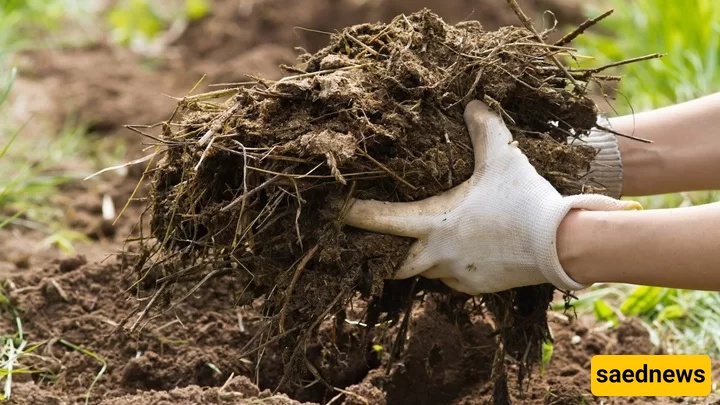
Start by collecting used tea leaves. Try to dry them as much as possible to prevent mold and fungal growth. You can spread them on a tray or newspaper and leave them in open air to dry.
Tea waste alone may be slightly acidic. To balance pH and increase nutrients, mix it with other organic materials such as leaf compost, compost soil, or even uncolored cardboard pieces. A ratio of 1:1 or 1:2 (tea waste to other organic matter) is usually suitable.
Place the mixture of tea waste and organic materials into a perforated plastic bag or compost bin. Close the lid or tie the bag and allow the natural composting process to take place. Every few weeks, stir the mixture to allow air circulation and speed up decomposition.
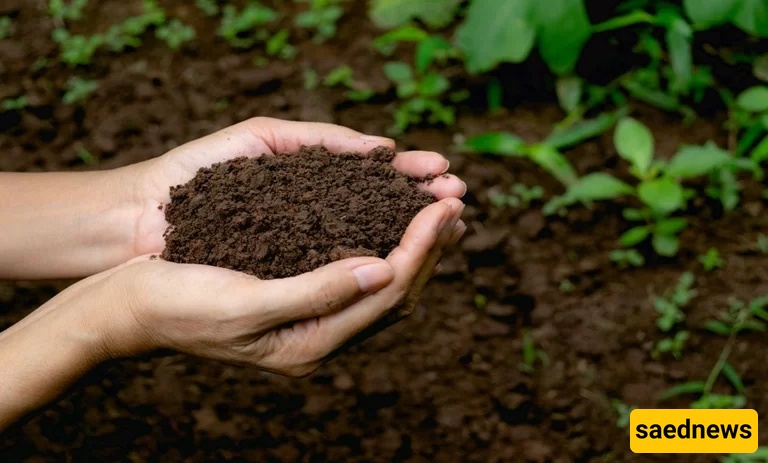
After some time, the tea waste will fully decompose into a dark, soil-like material with an earthy smell. This is your natural fertilizer, ready to use. You can mix it directly into potting soil or garden soil, or spread it as a thin layer on the soil surface.
Tea waste fertilizer is beneficial for a wide range of plants, especially those that prefer slightly acidic soil. Some examples include:
Indoor plants: Such as Dieffenbachia, Ficus, and Zamioculcas (ZZ plant)
Acid-loving plants: Such as azalea, camellia, rose, magnolia, blueberry, and ferns
Vegetables: Such as tomatoes, peppers, and potatoes
In general, while tea waste is mostly harmless for plants, it may not be ideal for those that require highly alkaline soil. However, after composting, it usually becomes balanced and safe for most plants.
Using tea waste as fertilizer offers several benefits for soil and plants. It is rich in essential nutrients, especially nitrogen, which is vital for leaf and stem growth. It also contains phosphorus and potassium, which help strengthen roots and support flowering.
These nutrients are released gradually, providing long-term nourishment for plants. In addition, tea waste improves soil structure by increasing organic matter, enhancing aeration, and improving drainage. This prevents waterlogging and supports healthier root development.
It also boosts the activity of beneficial soil microorganisms, helping break down organic matter more efficiently and making nutrients more available to plants. Overall, using tea waste as fertilizer is a natural and sustainable way to improve soil quality and enhance plant health and vitality.