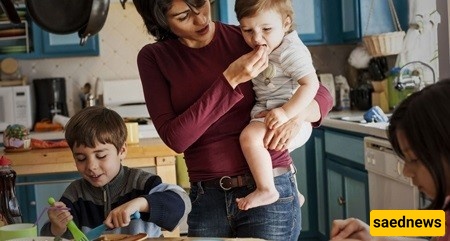
SAEDNEWS: Choosing a Partner: Working Woman or Homemaker? Explore the Risks and Opportunities of Each Choice

According to the Family Magazine service of Saed News, marrying a working woman has both positive and negative aspects. There is no universal rule regarding this issue. Couples considering marriage should first reach an agreement on the woman’s employment outside the home. Secondly, after reaching consensus, they should carefully assess all aspects of the situation and, by applying practical strategies, consulting experienced families, and seeking advice from family counselors, develop a plan that ensures the woman’s employment has minimal impact on their shared life and prevents potential future challenges for their children.
A working woman utilizes her skills and education
Employment outside the home allows women to make full use of their skills and education, which greatly contributes to their psychological security and sense of competence.
A working woman better understands the challenges of external work
A working woman is more empathetic to her husband’s work stress and pressures. Stay-at-home women often spend their day managing household responsibilities alone, which can lead to frustration when plans with their spouse are disrupted due to work commitments. In contrast, a working wife is more considerate in such situations, having experienced the demands of her own job and the occasional need to work longer hours. She better understands overtime or unexpected delays and reacts more patiently.
Fewer conflicts
People need multiple sources of emotional support, but stay-at-home women—especially those without children—may spend the entire day alone, increasing their expectations from their spouse. This can place undue pressure on the husband to meet all emotional needs, potentially leading to disappointment, dissatisfaction, or depression on both sides.
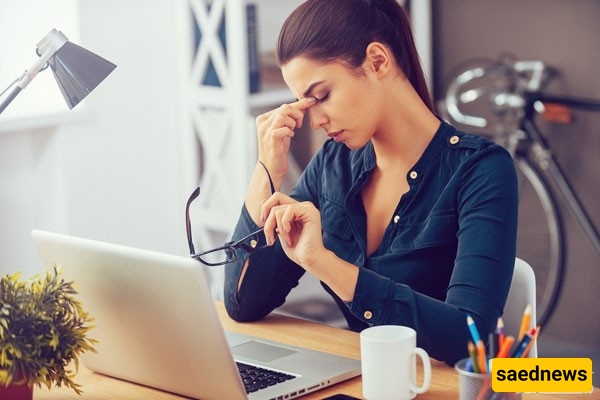
Better economic situation
In today’s challenging economic climate, households where both partners earn an income are generally in a stronger financial position. Additionally, working women often have a greater appreciation for money and fewer opportunities to spend it, which can result in increased savings for the family.
More social and up-to-date
One limitation of many stay-at-home women is a strong adherence to traditional norms. In contrast, working women are often more open-minded, aware of modern ideas, and socially engaged. They tend to follow contemporary trends, fashion, and styles, reducing the effort needed to encourage them to try new things.
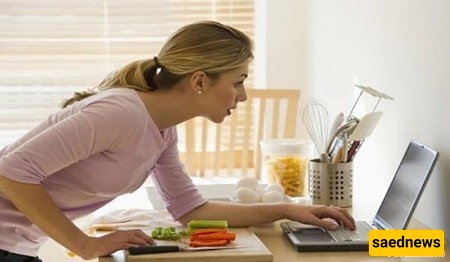
Stay-at-home women experience less stress from external responsibilities
Stay-at-home women enjoy more freedom than working women. They are not obligated to follow a boss’s minor instructions or request leave from a difficult employer when ill. This freedom allows them to be happier and more independent, free from the constant stress that often strains marriages.
Employment outside the home causes mental and physical fatigue
Working outside the home naturally consumes a significant amount of a woman’s time and energy. As a result, she may come home more tired—both physically and mentally—leaving less energy to dedicate to her spouse and children.