SAEDNEWS: A new generation of microscopic robots, designed to navigate the bloodstream like intelligent submarines, has been developed using a simple, low-cost method by researchers at the California Institute of Technology (Caltech), potentially transforming cancer therapy.
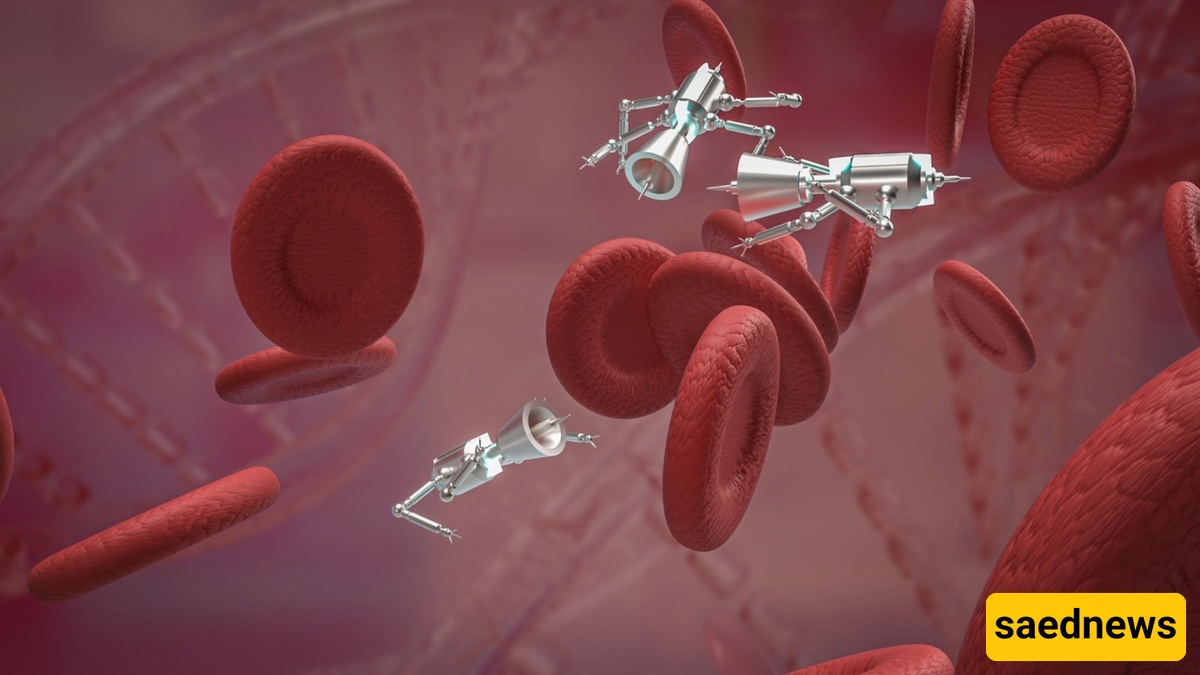
According to SAEDNEWS, Researchers at the California Institute of Technology (Caltech) have developed a remarkably simple and low-cost approach to create protein-based bubble robots. Constructed from bovine serum albumin (BSA), these microscopic bubbles harness natural fuels in the body, such as urea, and move with the help of the enzyme urease. They can navigate autonomously or be guided by magnetic fields directly toward cancerous tumors.
In an advanced version, attaching the enzyme catalase allows these robots to respond to hydrogen peroxide gradients—more abundant in tumors and inflamed tissues—guiding them chemotactically to tumor sites. Chemotherapy drugs like doxorubicin can be attached to the bubble surfaces, and when focused ultrasound is applied, the bubbles burst, releasing the drugs precisely where they are needed.
The technology, described in a paper published on February 2, 2026, in Nature Nanotechnology, was developed by a team led by Professor Wei Gao of Caltech in collaboration with the University of Southern California (USC). In early tests on mouse models of bladder cancer, these bubble robots showed remarkable results: they delivered drugs directly to tumors and significantly inhibited tumor growth—reducing tumor weight by about 60 percent in some reports.
Unlike previous robotic systems that required clean-room production and complex equipment, this new design is far simpler, cheaper to mass-produce, and fully biocompatible. Its protein shell easily degrades after completing its mission, minimizing side effects. This breakthrough holds significant potential for targeted drug delivery, reducing systemic chemotherapy side effects, and advancing precision, minimally invasive medicine—positioning protein bubble robots as the invisible, smart warriors of future cancer treatment. However, further research and human clinical trials are still needed.