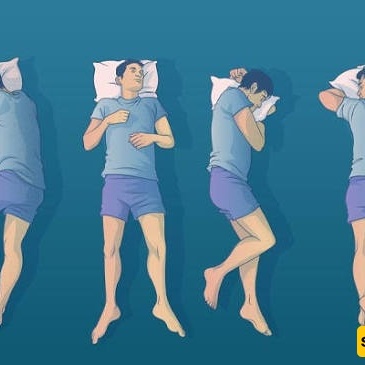
SAEDNEWS: Medical science and Islamic teachings offer valuable insights into improving sleep quality and overall health. This article explores the best sleeping positions for better health.
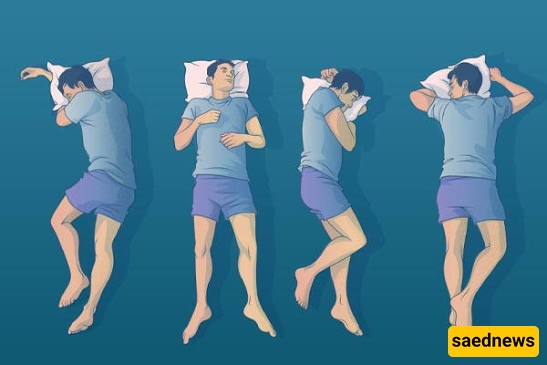
According to Saednews, In the field of medicine, many important aspects of sleep have been discussed, including the position of the body during sleep. Islamic hadiths and religious texts also address this subject, with the aim of promoting physical and spiritual well-being. They discuss which side to sleep on, as well as the times when sleeping is recommended or discouraged. Below is a selection of these teachings from Islamic sources.
Sleeping on the back or on the right side is considered recommended (mustahabb), while sleeping face down or on the left side is considered discouraged (makruh).
Source: Wasa'il al-Shi'a, Vol. 6, p. 520.

Sleeping during the following periods is considered discouraged (makruh):
Between dawn and sunrise (bayn al-tulu'ayn).
Between the night prayer (Salat al-Layl) and dawn.
Early in the morning.
After the afternoon prayer (Asr).
Between the sunset prayer (Maghrib) and the night prayer (Isha).
Source: Wasa'il al-Shi'a, Vol. 6, pp. 495–496.
Taking a short nap around midday, known as Qailulah, is considered recommended (mustahabb) in Islamic teachings.
Source: Wasa'il al-Shi'a, Vol. 6, p. 503.
Sleeping in the following places or circumstances is considered discouraged (makruh) according to some Islamic jurisprudential opinions:
The Sacred Mosque in Mecca (Masjid al-Haram) and the Prophet's Mosque in Medina (Masjid al-Nabawi). According to an opinion attributed to the majority of scholars, this discouragement may extend to other mosques as well, although some scholars limit it to these two mosques.
Sleeping alone.
Sleeping on an unprotected rooftop.
Sleeping in a house without a door or curtain.
Sources: Jawahir al-Kalam, Vol. 14, p. 122; Wasa'il al-Shi'a, Vol. 5, pp. 31, 325, and 329.
Note: These points summarize religious recommendations and jurisprudential opinions cited in the original Persian text. The terms “recommended” and “discouraged” refer to religious classifications, not necessarily established medical conclusions.