SAEDNEWS: According to Shiite jurisprudence, a vow (nadhr) whose formula has been properly recited cannot be revoked, and this ruling is a fatwa, not a mandatory precaution.
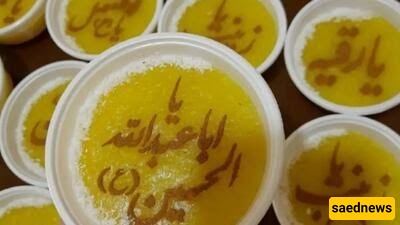
According to Saednews, A vow (Nazr) is considered one of the important acts of worship and religious commitments in Islamic jurisprudence. Many people make vows during different situations in life, seeking to achieve material or spiritual goals. By reciting the specific vow formula, a person commits themselves to performing a particular action. However, as circumstances change over time, some individuals may wish to withdraw from their vow. The main question is: After the vow formula has been recited, is it possible to cancel or revoke the vow?
This article examines this issue in detail from the perspective of Shia Islamic jurisprudence and Iranian legal principles.
In language, Nazr means a promise, commitment, or obligation. In Islamic legal terminology, it refers to a person making something obligatory upon themselves, such as performing a good deed or abandoning a certain action for the sake of God.
A Nazr is regarded as a religious commitment that becomes binding when the proper formula is recited under valid conditions.
A valid vow consists of four main elements:
The individual making the vow must:
Be legally mature
Be mentally competent
Act voluntarily and without force
In a religious vow, the commitment is made for God Almighty.
The action promised in the vow must:
Be religiously permissible
Be possible to perform
Have recognized religious value
The specific statement that expresses the person’s intention to make a religious vow.
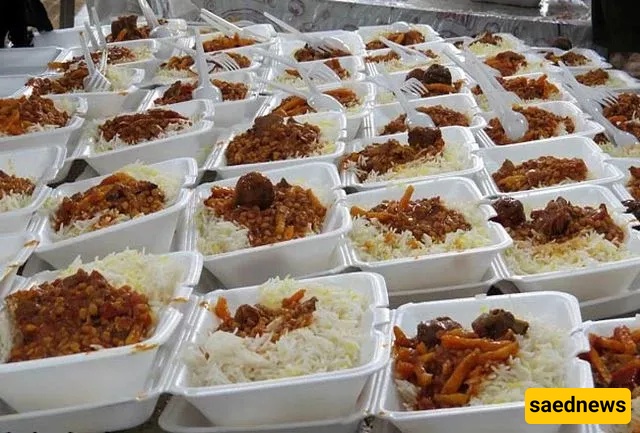
According to Shia jurisprudence, if the vow formula has been correctly recited and all required conditions have been fulfilled, the vow cannot simply be cancelled or revoked by the person who made it.
This ruling is considered a religious verdict (fatwa), not merely a recommended precaution (obligatory precaution). In other words, Shia religious authorities generally hold that once a Nazr becomes valid according to Islamic conditions, the individual cannot independently withdraw from it.
Several religious principles support the obligation to fulfill a valid vow:
The Quran states:
“And fulfill the covenant, for the covenant will surely be questioned.”
(Surah Al-Isra, 17:34)
This verse emphasizes the importance of keeping commitments.
Numerous narrations from Islamic sources stress the importance of fulfilling valid vows and respecting commitments made before God.
Shia scholars generally agree that fulfilling a properly established vow is obligatory.
The Islamic legal principle “Al-Wafa bil-Nazr” (fulfillment of the vow) considers a valid vow to be binding, similar to other binding religious commitments.
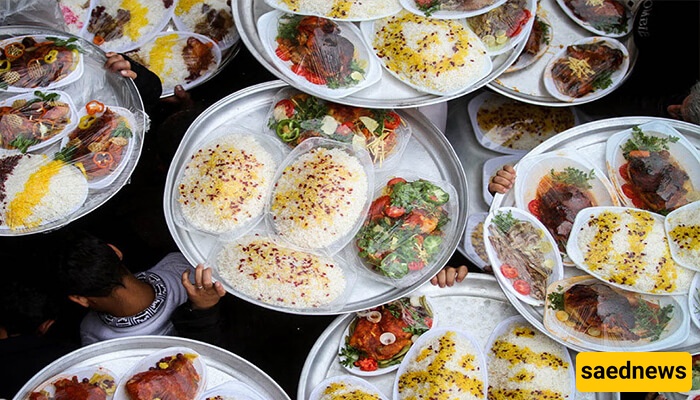
For a vow to become legally and religiously binding, the following conditions must exist:
Maturity: The person making the vow must be legally mature.
Sound Mind: The person must be mentally capable.
Free Choice: The vow must not be made under pressure or force.
Intention: The person must genuinely intend to make the vow.
Husband’s Permission: A married woman may require her husband’s permission depending on the circumstances and jurisprudential ruling.
Parental Permission: Certain conditions apply regarding children and guardianship.
Legitimate Action: The promised act must be religiously acceptable and possible.
If a person breaks a valid vow without a legitimate religious excuse, they are required to pay Kaffara (expiation).
The expiation for breaking a vow includes one of the following:
Feeding 60 poor people, or
Fasting for two consecutive months, or
Freeing a slave
In modern circumstances, feeding the poor or paying an equivalent amount is generally considered the practical form of expiation.
Although a valid Nazr cannot normally be cancelled, there may be exceptional situations where religious rulings provide alternatives, such as:
A person becoming genuinely unable to fulfill the vow
The vow conflicting with a more important religious obligation
A significant change in circumstances affecting the ability to perform it
In such cases, the person should consult a qualified religious authority to determine the appropriate ruling.
According to Shia Islamic jurisprudence and Iranian legal understanding, a vow whose formula has been correctly recited and whose conditions are fulfilled cannot be revoked simply because the person has changed their mind.
The person who made the vow remains responsible for fulfilling it. If they intentionally break it without a valid excuse, they must perform the required Kaffara (expiation).
However, special circumstances such as inability, unavoidable hardship, or conflict with a more important obligation may require a separate religious evaluation.
The best approach for someone who regrets making a vow is to consult a Marja’ (Shia religious authority) or qualified Islamic scholar and explain their specific situation.
Before making a Nazr, individuals are advised to carefully consider their ability and circumstances because a vow is not merely a personal promise—it is a serious religious and moral commitment representing a person’s relationship with God.
Therefore, the answer to the question “Is it possible to cancel a Nazr after reciting its formula?” is generally: No, a valid Nazr cannot be revoked after its proper establishment, except in specific exceptional circumstances recognized by Islamic jurisprudence.