SAEDNEWS: Secrets of Cyrus the Great’s Charter: The Achaemenid Clay Cylinder, Religious Freedom, the Return of Exiles, and Its Display at the British Museum
Cyrus the Great of the Achaemenid Empire (550–530 BCE) founded one of the largest empires in history. Its borders stretched from the Indian Ocean in the east to the Black Sea in the north, Egypt in the west, and Ethiopia in the south. This article explores the Cyrus Cylinder, the conquest of Babylon, and the historical significance of this ancient artifact.
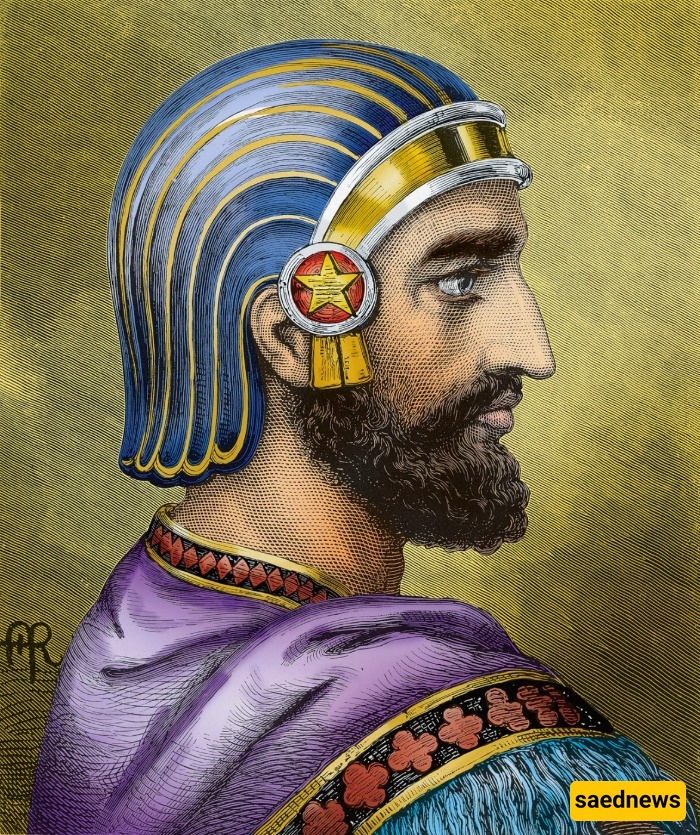
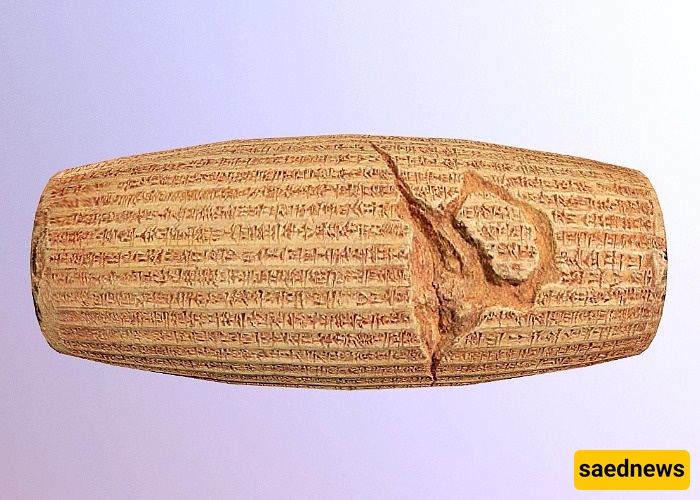
The Cyrus Cylinder
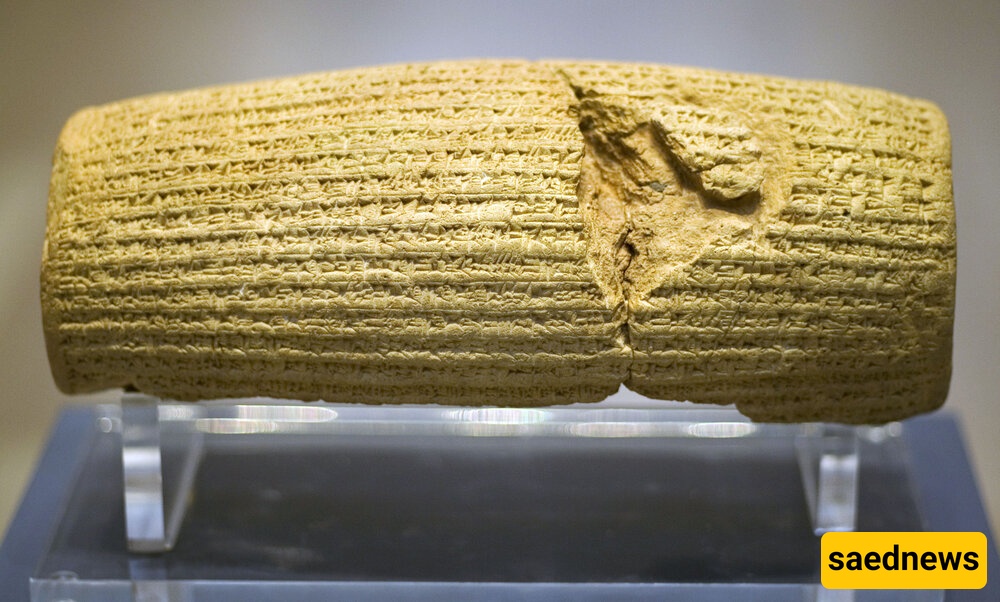
The Cyrus Cylinder is one of the most valuable historical documents in the world. It was written by the order of Cyrus the Great, founder of the Achaemenid Empire, after his conquest of Babylon. Upon entering Babylon, Cyrus took a humane and peaceful approach: he declared freedom for the local religions, honored the beliefs of the people, and praised Marduk—the chief Babylonian god—placing him in his rightful position.
In Cyrus’s decree, no nation was enslaved, and his army was prohibited from looting, assaulting, or harming the populace. He freed all captives brought to Babylon by previous kings and returned them to their homelands. Notably, the Jewish people were granted freedom and allowed to return to their native land.
By Cyrus’s command, these orders and humanitarian actions were inscribed on a clay cylinder, which today is known as the Cyrus Cylinder, often regarded as the world’s first declaration of human rights.
Cyrus the Great and the Conquest of Babylon: The End of Nabonidus’s Tyranny
After the death of Nebuchadnezzar, Nabonidus ruled Babylon with oppression, causing widespread discontent among the people and nobles. Due to numerous complaints, Cyrus entered Babylon and conquered the Neo-Babylonian Empire.
Year of Conquest: 539 BCE
Outcome: End of Nabonidus’s tyrannical rule
Cyrus’s Approach: Peaceful entry and respect for Babylonian culture
This conquest marked a turning point in the history of human rights and paved the way for the issuance of the Cyrus Cylinder.
What Is the Cyrus Cylinder? Physical Features and Content
The Cyrus Cylinder is a baked clay cylinder issued in 539 BCE and is recognized as the first human rights declaration.
Physical Characteristics:
Length: 22–23 cm
Width: 11 cm
Material: Baked clay
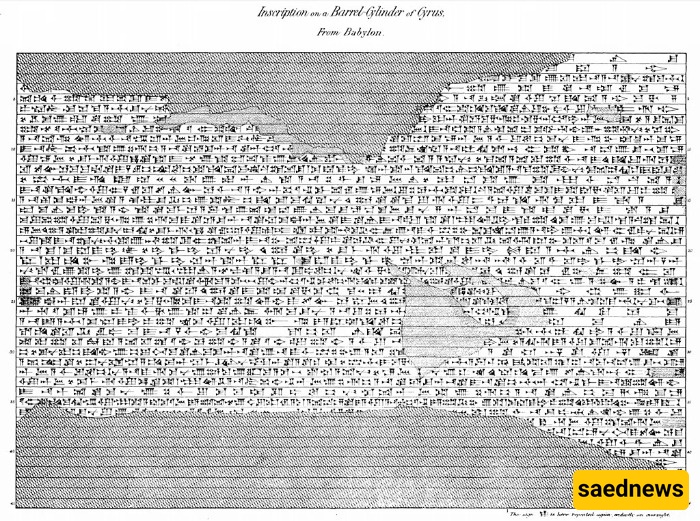
Script: Neo-Babylonian cuneiform (Akkadian)
Lines: 40 (at the time of discovery)
Content Structure:
Babylonian account of the conquest and Cyrus’s conduct
Cyrus’s decrees regarding freedoms and respect for the people
Key Point: Cyrus not only refrained from enslaving the people but also preserved their property and honored Marduk, the Babylonian god.
Text of the Human Rights Declaration
“This is Cyrus, king of the world, great king, mighty king, king of Babylon, king of Sumer and Akkad, king of the four corners of the earth, son of Cambyses, great king … grandson of Cyrus, great king … descendant of Chishpish, great king …
When I entered Babylon without battle or war, all the people welcomed me with joy. I took my seat on the throne of the kings of Babylon. Marduk, the great god, directed the hearts of the people of Babylon toward me … for I honored him and held him in esteem.
My great army entered Babylon peacefully. I did not allow suffering or harm to befall the people of this city and this land. The state of Babylon and its sacred places touched my heart … I sought peace.
I abolished slavery and ended their misery. I commanded that all people be free to worship their own god without oppression. I commanded that no one destroy the inhabitants of the city.
Marduk, the great god, was pleased with my deeds … he bestowed his blessing and kindness. We all joyfully praised his exalted position in peace and harmony …”
Discovery of the Cyrus Cylinder: From Babylon to the British Museum
Initial Discovery (1879):
Location: Ruins of the Marduk temple, Mesopotamia (modern Iraq)
Archaeologists: Led by Hormuzd Rassam
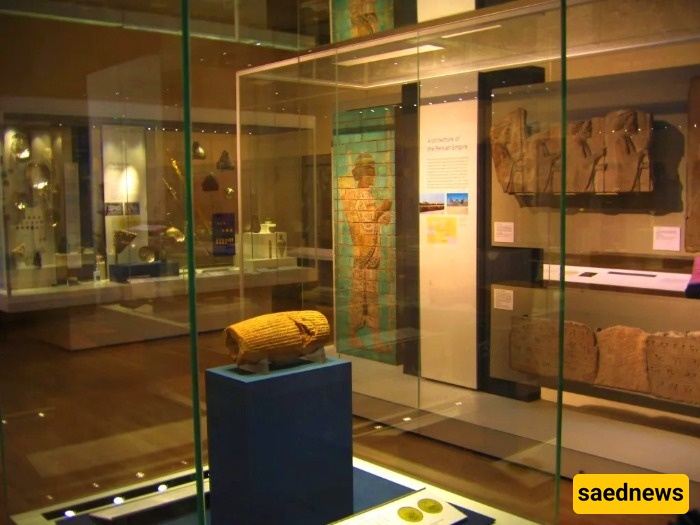
Current Location: British Museum, London
Found beneath the foundation of an ancient wall and immediately transferred to England
Discovery of Missing Fragment (1996 / 1375 SH):
Richard Berger at Yale University examined a cuneiform tablet thought to belong to Nabonidus. After deciphering, it was identified as lines 36–43 of the Cyrus Cylinder, which were then joined to the original in the British Museum.
Visits of the Cyrus Cylinder to Iran
1971 (Pahlavi Era)
Occasion: 2,500-year celebration of the Persian Empire
Duration: 10 days
Location: Tehran
Outcome: Returned to London
2010 (President Ahmadinejad’s Term)
Month: Shahrivar
Duration: 7 months
Location: National Museum of Iran
Visitors: Millions of Iranians
Frequently Asked Questions
Where is the Cyrus Cylinder?
In the British Museum, London
Is it authentic?
Yes, the original clay cylinder is at the British Museum, along with the joined fragment from Yale University
Why is it important?
It emphasizes religious freedom, the rights of captives, and prohibits looting, making it the world’s first human rights charter