Saed News: Modern medicine considers high cholesterol one of the greatest hidden threats to cardiovascular health because of its silent nature. Therefore, understanding this condition and the importance of regular screenings can make the difference between timely prevention and facing dangerous heart diseases.
According to SAEDNEWS, citing Prevention, high cholesterol is one of the main risk factors for heart disease, stroke, and heart attacks. However, determining whether your cholesterol level is in the danger zone is very difficult. Recognizing the signs of this condition can help you stop its progression before a disaster occurs.
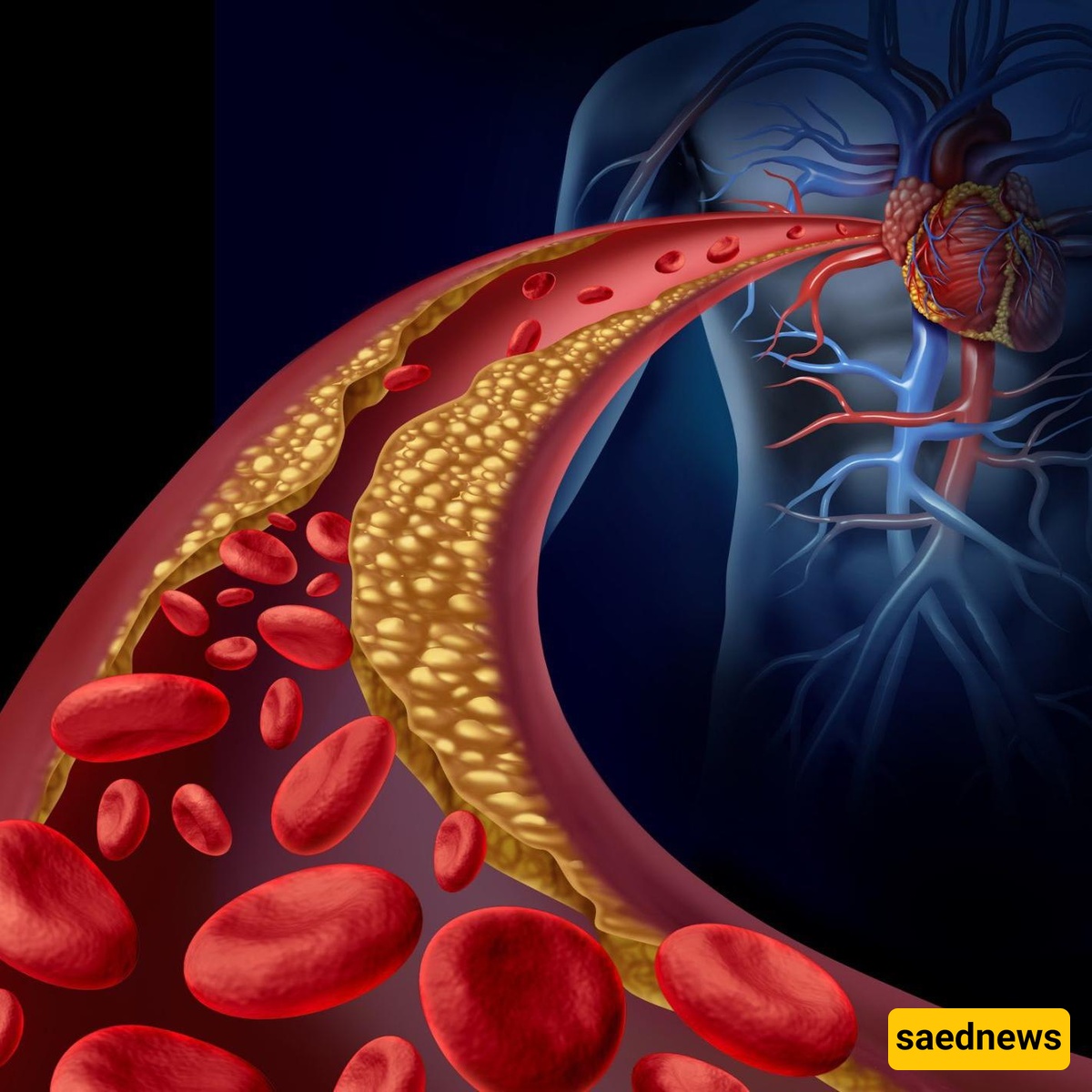
Dr. Tracy Pashke, a preventive cardiology specialist, describes cholesterol as a fat-like substance that travels through the bloodstream. Our bodies need cholesterol to build healthy cells and produce hormones, but excessive buildup can lead to plaque formation inside artery walls. According to the American Heart Association (AHA), there are two types of cholesterol: low-density lipoprotein (LDL), known as “bad” cholesterol, and high-density lipoprotein (HDL), known as “good” cholesterol. Elevated LDL levels can lead to atherosclerosis, while low HDL levels reduce the body’s ability to clear cholesterol.
Experts emphasize that the only reliable way to know your cholesterol levels is through a blood test. Dr. Kevin Shah, a cardiologist at Long Beach Medical Center, warns: “Unfortunately, there are no reliable physical signs for detecting high cholesterol. This condition is usually silent, which is what makes it dangerous. Most people experience no symptoms until plaque buildup leads to a cardiovascular event.”
For this reason, respected organizations such as the American College of Cardiology and the American Heart Association have issued updated cholesterol management guidelines. According to these recommendations, children aged 9 to 11 and adults starting from age 19 should undergo a lipid panel blood test every five years. It is also recommended that all adults measure their Lipoprotein(a) level at least once, since high levels—mostly genetic—can increase the lifetime risk of heart attack or stroke by up to 140%.
Although high cholesterol has no symptoms in its early stages, untreated cases over many years may eventually produce physical signs. Dr. Shah explains: “Symptoms such as chest discomfort, shortness of breath, or reduced exercise capacity should be taken seriously. However, these are signs of advanced heart disease, not necessarily high cholesterol itself.”
In rare cases involving genetic disorders such as familial hypercholesterolemia, unique signs may appear, including yellow fatty deposits on the skin or eyelids, or a white, blue, or gray ring around the iris. Chest pain, calf muscle cramps while walking, and non-healing sores on the toes are also among the symptoms of these rare disorders, though most can be effectively managed through dietary changes, exercise, and medication.
The reality is that without advanced disease or genetic disorders, it is nearly impossible to know you have high cholesterol without a blood test. Dr. Shah stresses: “A blood test is the only way to be certain, which is why routine screening is critically important even for people without symptoms.”
Until your test results arrive, making smart heart-health decisions—including eating healthy foods, exercising regularly, and avoiding tobacco use—are major steps toward maintaining healthy cholesterol levels. Prevention is always less costly and more effective than treating cardiac events caused by neglect.