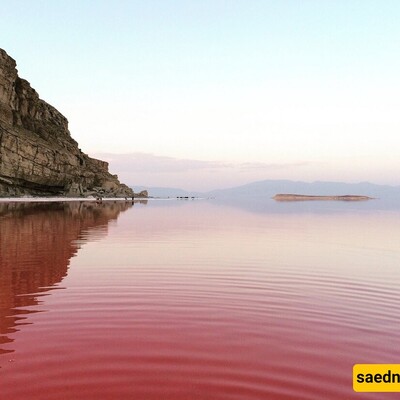
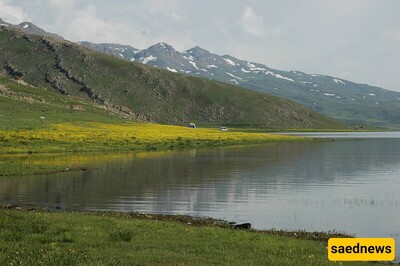
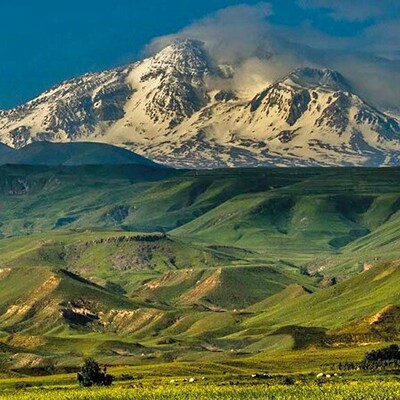
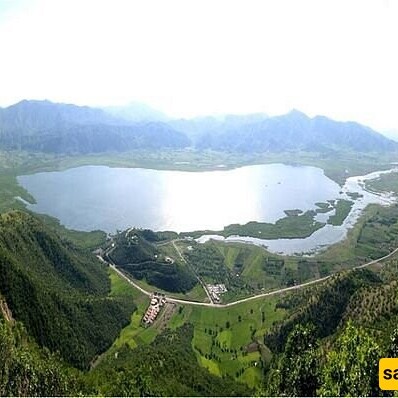
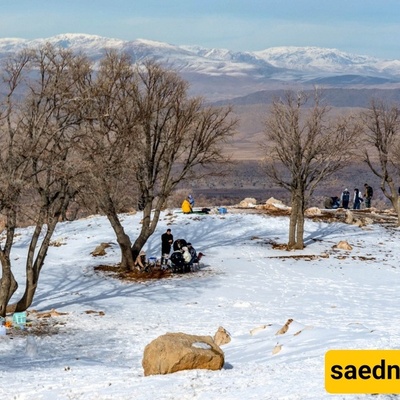
SAEDNEWS: Shurgol wetland has long been a destination for nature lovers and eco-tourists in northwest Iran thanks to its rich biodiversity and unique landscapes.
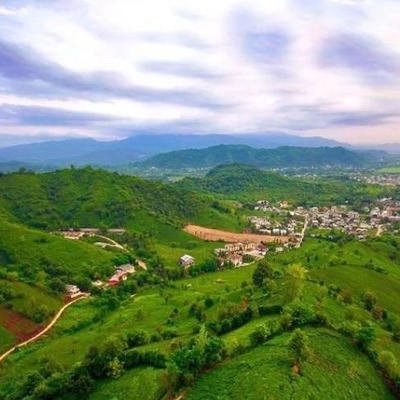
According to tourism desk of Saednews, Situated at an elevation of 1,286 meters above sea level, Shurgol is situated near the city of Naqadeh in West Azarbaijan province. It stands as one of the area’s most captivating natural treasures.
Shurgol was designated as a protected area under the Ramsar Convention in 1975. It is home to a wide variety of rare plant and animal species, making it a valuable ecological hotspot.
Spanning around 1,400 hectares, this ecologically rich wetland is located west of the Urmia–Mahabad highway, only a short five-kilometer distance from the renowned Lake Urmia.
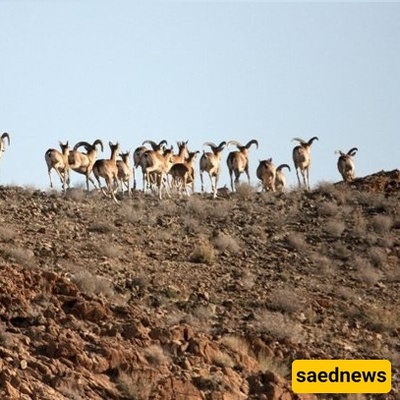
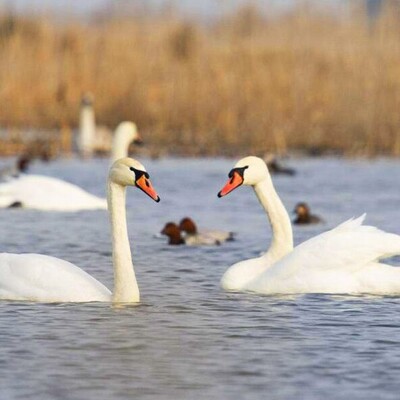
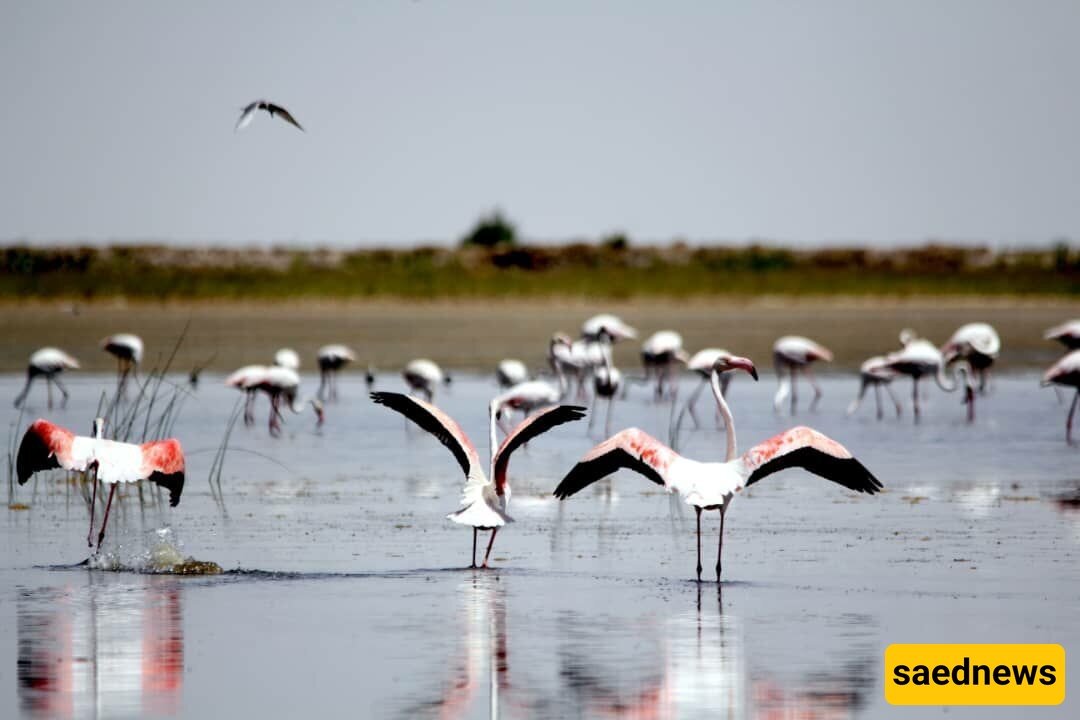
The property, aka Shurgol Hassanlu, is home to more than 50 species of plants, including reeds, bulrushes, and even carnivorous plants that thrive in its unique aquatic environment. However, the wetland’s highlight is its diverse fauna, providing habitat for over 200 animal species, including 194 species of birds such as various ducks, herons, and terns. In addition to its avian inhabitants, mammals such as foxes, wolves, and jackals, along with rare reptiles like snakes and frogs, can also be found in this extraordinary ecosystem.
One of the most fascinating features of the wetland is the presence of the “living fossil” triops, a prehistoric species of tadpole shrimp that has survived for millions of years, offering visitors a glimpse into Earth’s ancient past.
With its mild climate, breathtaking natural scenery, and vibrant biodiversity, the wetland provides an exceptional opportunity for birdwatching, eco-tourism, and exploration of wetland ecosystems. It remains not only a vital refuge for wildlife but also a symbol of Iran’s commitment to conserving its natural heritage under international frameworks such as the Ramsar Convention.
For more updates regarding tourism, follow Saednews.