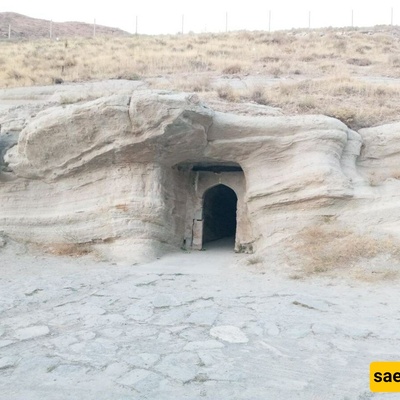
SAEDNEWS: Known for its unique geological features, including limestone formations and flint stones, Takht-e Rostam has long attracted human populations in northern Iran.
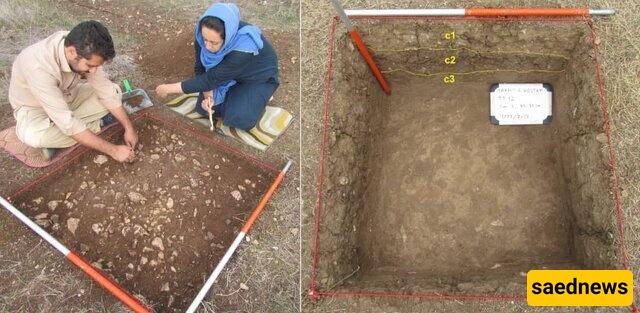
Archaeological studies indicate that it was one of the main human settlements during the Paleolithic period, serving as a workshop for the production of stone tools and hunting implements.
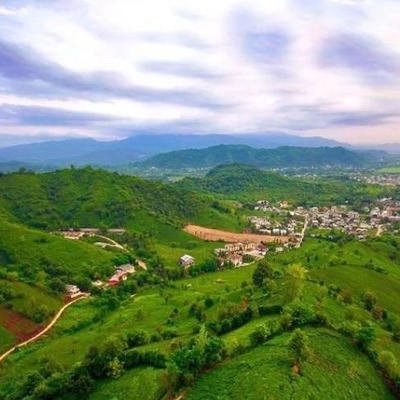
The site is situated along the main road between Sari and Neka in Mazandaran province, which is bounded by the Caspian Sea.
Rounds of paleontological research at the site have uncovered significant evidence of the Caspian Sea's shoreline dating back over 31,000 years, suggesting that the sea once extended much further than its current boundaries.
According to Dr. Homayoun Khoshravan, who conducted geological sediment research at the site, it contains sediments dating back to two million years ago from the Caspian Sea, which makes the site not only significant for its historical findings but also valuable as a natural heritage site.
In a significant breakthrough, researchers concluded that approximately 31,000 years ago, the Caspian Sea’s southeastern coastline stretched much closer to the Takht-e Rostam site. The dating of these findings was carried out using optical luminescence dating methods, conducted by the Geophysics Institute of Tehran University, marking a milestone in interdisciplinary research based on local scientific expertise.
Further excavations at Takht-e Rostam, led by archaeologist Hossein Ramadanpour in 2020, uncovered over 2,600 pieces of stone tools, providing deeper insight into the activities of early human populations in the region. The evidence suggests that the site was not only a tool-making workshop but also played a crucial role in hunting strategies, allowing human groups to monitor and control their surrounding environment effectively.
These groundbreaking findings, which offer the first dating of a Paleolithic human settlement in the region, were published in the Iranian Journal of Archaeological Studies, an international journal dedicated to archaeological research.
Takht-e Rostam was registered as a national heritage site of Iran in 2002, under registration number 5435, further cementing its importance in understanding ancient human history.
This discovery offers new insights into the relationship between early human societies and their environment, highlighting the significant role the Caspian Sea played in shaping human activity thousands of years ago.
Mazandaran (also known as Tabarestan) was a cradle of civilization since the beginning of the first millennium BC. According to the Britannica Encyclopedia, it was almost overrun in about 720 CE by the Arab raiders.