SAEDNEWS: This guide details three methods (oven, rice cooker, pot) for making Japanese Cheesecake, focusing on achieving its signature light, airy texture without cracking or collapsing. Key secrets involve properly folding stiffly beaten egg whites and managing gentle, consistent heat, often via a water bath (bain-marie).
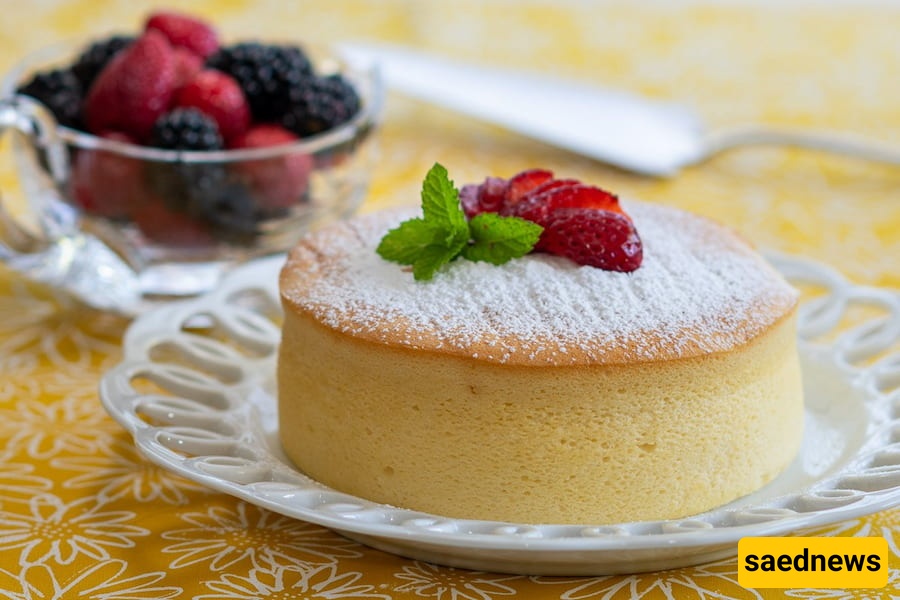
According to SAEDNEWS, There are three methods to prepare Japanese Cheesecake: in the oven, rice cooker, or a regular pot. In this article, we will fully review all three methods for preparing Japanese Cheesecake and introduce the necessary ingredients.
Japanese Cheesecake is a dessert that, compared to regular cheesecakes like no-bake cheesecake, has a lighter and more delicate texture. The main secret to this difference is the preparation method. In the Japanese cheesecake recipe, egg whites are beaten separately to become fluffy and then carefully folded into the batter. This step is what gives the final texture its soft, cloud-like quality, causing each piece to melt easily in the mouth.
Along with its unique texture, the flavor of this cheesecake is also different from Western cheesecakes like New York style. It has a mild sweetness and is usually steam-baked in the oven to prevent the surface from cracking and to retain the cake's moisture. These details have made Japanese Cheesecake a popular and special dessert worldwide. However, achieving that famous jiggly texture without a cracked top is a technical challenge that leads many people to give up on home baking and opt to buy the cake instead.
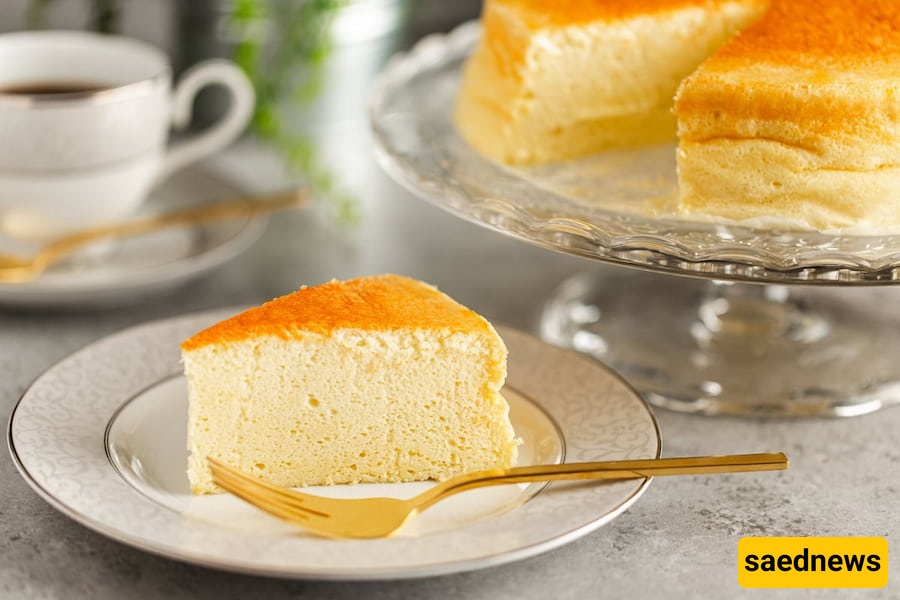
To prepare Japanese Cheesecake, it doesn't matter which method you use; the main ingredients are almost the same for all three methods. What creates the difference is the cooking procedure and temperature control. Below are the base ingredients applicable to every method:
Ingredient | Amount |
Cream Cheese | 200 g |
Butter | 40 g |
Milk | 100 ml |
Eggs | 4 (Yolks and whites separated) |
Sugar | 100 g |
All-Purpose Flour | 40 g |
Cornstarch | 20 g |
Vanilla or desired essence | A small amount |
There are three types of cooking methods for Japanese Cheesecake. Next, we will explain each method step-by-step:
In the method for baking Japanese oven cheesecake:
First, remove the cream cheese and eggs from the refrigerator and let them sit at room temperature so the final batter is uniform. A temperature difference in the initial ingredients ruins the batter's texture.
Line an 18–20 cm mold with parchment paper. Mix the cheese, butter, milk or cream, and egg yolks, then gradually add the flour and cornstarch.
Beat the egg whites and sugar until meringue forms. Meringue is a fluffy, light, and glossy mixture created by beating egg whites with sugar.
Gently fold the meringue into the cheese batter in two or three stages so that the air is not lost.
Preheat the oven to 150°C (300°F). The baking time is usually between 60 to 75 minutes.
If an oven is not available, a rice cooker can be a suitable option. To prepare Japanese Cheesecake in a rice cooker, simply:
Pour the prepared batter into the mold, level the surface, and place the mold inside the rice cooker pot.
Select the 'Cake' option and let it cook for about 50 to 80 minutes. After cooking is complete, do not open the rice cooker lid until the cake has set and the rise hasn't collapsed.
For times when you have neither an oven nor a rice cooker, a regular pot can also work. To cook Japanese Cheesecake in a pot:
Cover the bottom of the pot with a metal stand or a clean towel so that direct heat does not reach the mold.
Pour about one to two centimeters of hot water into the bottom. This creates a bain-marie effect using steam.
Pour the batter into the mold, place the mold inside the pot, and seal the lid tightly. The heat must be very gentle so that steam gradually performs the function of the oven.
The cooking time is between 60 to 90 minutes. Occasionally check the water level to ensure it doesn't evaporate. After cooking, keep the cake in the pot for a short time to cool down.
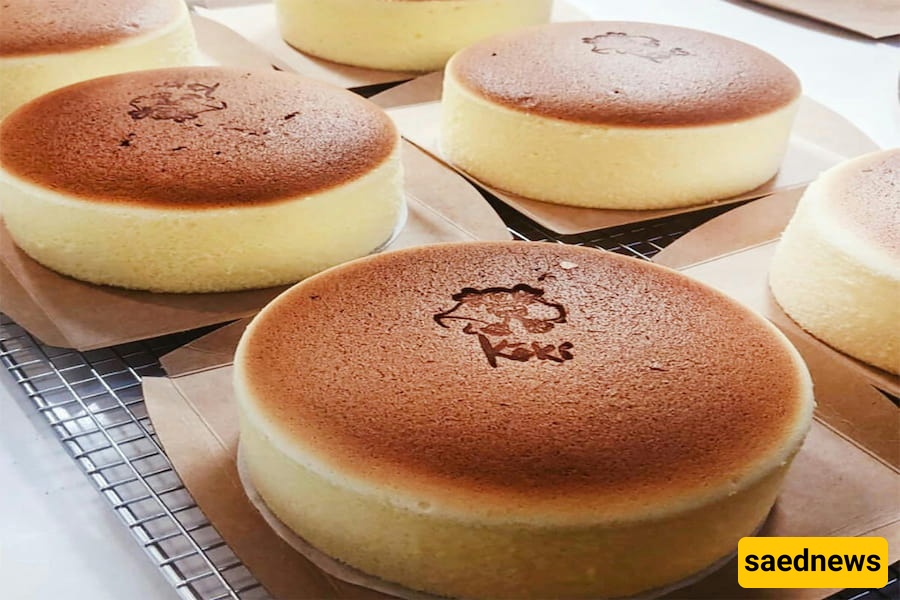
In the preparation of Japanese Cheesecake, several key tips must be carefully observed to prevent the cake from deflating. We mention these points below:
Beat the Whites Sufficiently: Beat the egg whites until they are glossy, light, and voluminous. The texture should be neither too loose (which causes weeping) nor too stiff (which causes the air to escape when mixing with the cheese batter).
Gently Combine Meringue: Gently fold the meringue into the cheese batter using circular motions to retain air and keep the final texture light.
Control Baking Temperature: High heat causes the cake surface to brown too quickly while the inside remains undercooked. This results in the cake collapsing after removal.
Prevent Thermal Shock: After baking is complete, do not open the oven door immediately. Allow the cake to cool slowly for about 10 to 15 minutes in the same environment with the door slightly ajar.
Take Gradual Cooling Seriously: After removing the mold from the oven, place it on a cooling rack. The cake must cool down slowly to maintain its texture and prevent shrinkage.
Bring Ingredients to Room Temperature: If the cream cheese or eggs are cold, the batter will not mix uniformly, and the final rise will not take shape properly. Remove all ingredients from the refrigerator before starting to let them reach room temperature.
In the guide to Japanese Cheesecake, you must know which mistakes cause the surface of the cake to crack:
High Heat and Fast Baking: If the oven or pot is too hot, the cake surface cooks too quickly. This temperature difference causes the surface to crack. The solution is to use a medium temperature and the bain-marie (water bath) method so that heat is transferred gently and evenly.
Moving the Mold During Baking: Moving the mold during baking, especially when the cake is still soft, causes cracks. It is best not to move the mold once placed in the oven or pot until baking is complete.
Incorrect Ingredient Combination: If the whites or meringue are over-beaten or if air escapes during mixing, the cake texture becomes dense and dry, and the surface cracks. Always add the meringue gently to the batter with circular motions.
Improper Mold or Lack of Bain-Marie: Japanese cheesecake is more likely to crack in a mold without a base or without a water bath. Always place the mold inside a tray of water so that gentle and uniform steam allows the cake to bake evenly.
Achieving the cloud-like, coffee-shop texture in making Japanese Cheesecake requires attention to several crucial points. We mention these tips below:
Use Fresh, High-Quality Ingredients: Fresh cream cheese, eggs, and butter significantly improve the cake's flavor. The quality of the raw materials has a direct effect on the final texture and aroma.
Mix Batter with Gentle Movements: Even when the meringue and cheese base are correctly prepared, overly brisk or aggressive movements will cause air bubbles to dissipate and the cake texture to become dense.
Control Ambient Humidity: Low ambient humidity causes the cake surface to dry out, while high humidity can make the texture heavy. Manage the baking environment carefully.
Control Batter Rest Time: After the batter is ready and before pouring it into the mold, let it rest for a few minutes at room temperature to allow large air bubbles to escape and the cake surface to become uniform.
Adjust Mold Height: If the mold is filled too high, the batter may overflow, and the cake rise may not form correctly. Always leave 2–3 cm of empty space to allow for volume increase.
Test the Center of the Cake Before Finishing Baking: Using a toothpick or a thin knife to check the center of the cake helps ensure it is fully cooked and that the moisture is retained.
Preparing Japanese Cheesecake is possible easily and with any utensil; even if you don't have an oven or rice cooker, you can prepare this cheesecake with a simple pot on the stove. By observing the points mentioned in the Japanese Cheesecake recipe, you can have a cake with a smooth surface, a good rise, and a spongy, delicate texture.
Whether it's for breakfast, an afternoon snack, or a gathering with friends, with the instructions provided in this article, you can easily prepare a delightful Japanese Cheesecake anytime.
1. Why does the rise of Japanese Cheesecake collapse after baking? The main reason is sudden temperature change. If it is removed from the oven immediately after baking is complete, the texture undergoes thermal shock, and its rise collapses.
2. What causes the surface of Japanese Cheesecake to crack?
High oven temperature or insufficient steam during baking causes the surface to dry out and form cracks. Using the bain-marie method resolves this issue.
3. Is it possible to make Japanese Cheesecake without an oven?
Yes; you can bake this dessert using a rice cooker or in a pot, provided that gentle heat and sufficient baking time are observed.
4. What is the best time to serve Japanese Cheesecake?
After a few hours in the refrigerator or an overnight rest, when the cake texture is cool, delicate, and the flavor is fully set.