SAEDNEWS: From Eyes the Size of Dinner Plates to 360-Degree Vision, These Animals Have Incredible Ways of Seeing
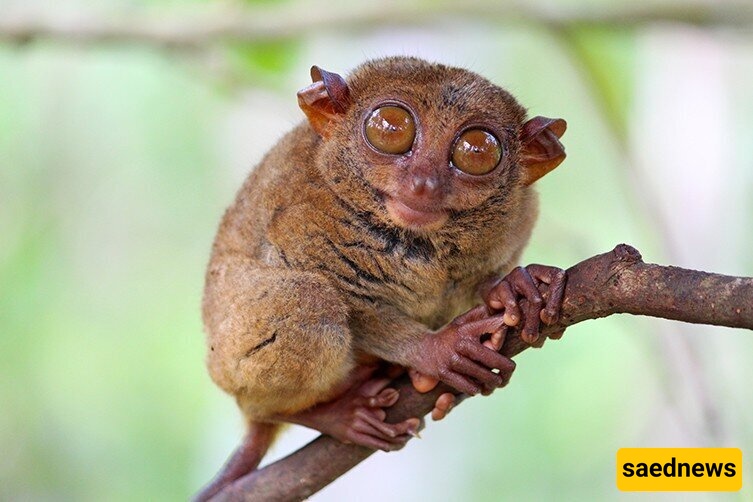
According to Saed News’ Society Service, these small mammals have the largest eyes relative to body size among all mammals. Each eye is nearly as large as the animal’s brain. Tarsiers have massive eyes, but they cannot move them, meaning these primates must rotate their heads to scan their surroundings.
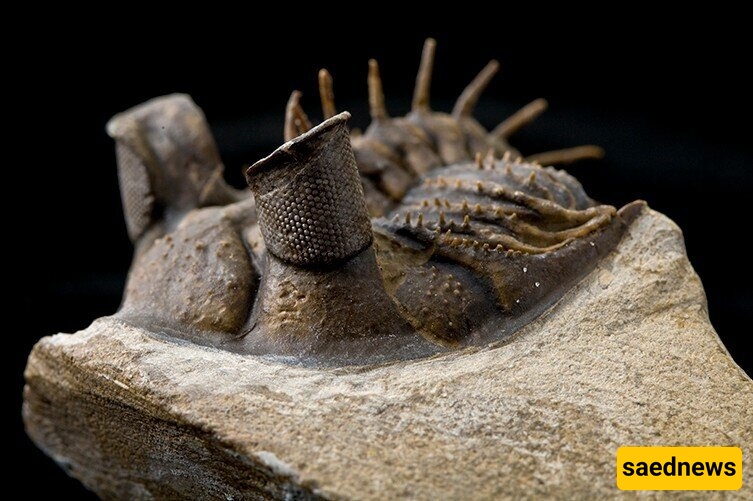
Trilobites (Trilobita)
Trilobites lived between 521 and 252 million years ago. They were among the first creatures to evolve complex, compound eyes, where numerous individual lenses focus light onto clusters of photoreceptor cells. These prehistoric animals had hard shells with crystalline lenses made of calcite, allowing them to see clearly—even in the dark waters of the ocean.
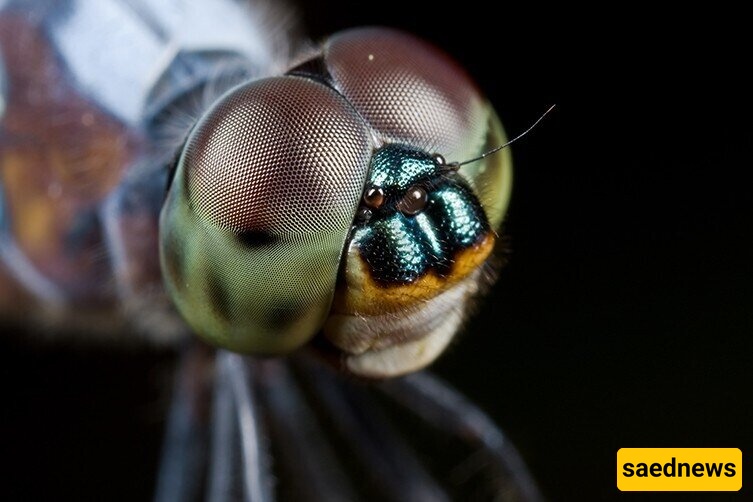
Dragonflies
Some dragonfly species have over 28,000 lenses in each compound eye—more than any other living creature—and their eyes cover almost the entire head, providing nearly 360-degree vision.
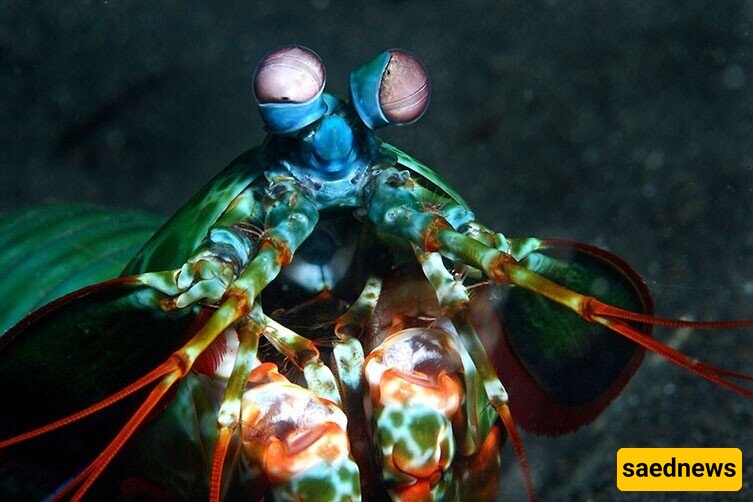
Mantis Shrimp
Mantis shrimp likely have the most sophisticated vision in the animal kingdom. Their compound eyes move independently and contain 12 to 16 types of visual pigments, compared with humans. They are the only known animals capable of detecting circularly polarized light. Experiments suggest they may use this ability to communicate, signaling messages such as “this burrow is occupied.”
Purple Sea Urchins
California purple sea urchins are covered with so many light-sensitive cells on their surface that their bodies have been described as functioning like eyes. Because nearly their entire body responds to light, they can “see” in all directions. Researchers suggest sea urchins may use their spines to block excess light, helping them focus incoming rays for clearer vision.






![The Controversy Over a Saudi Man Marrying a Genie [With Photo]](https://en.saednews.com/storage/files/post/b62b34df-2741-4f7d-8ed2-1e96227b9ad6-KdxJtamVSJKrh9hQ/1x1-image.jpg)