SAEDNEWS: Simple Tricks to Prevent Oil from Splattering on Your Stove—Solutions You Might Not Know
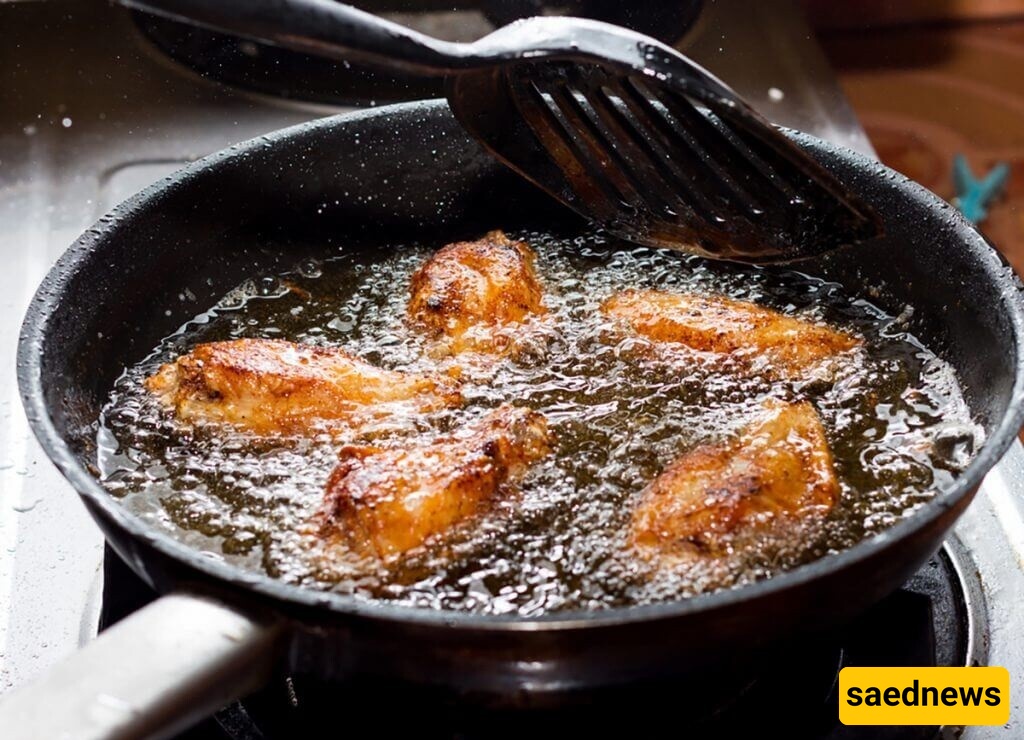
Fried foods are always delicious, but cleaning up the kitchen afterward can be time-consuming. Contrary to popular belief, there are several ways to prevent oil from splattering around the stove, allowing you to cook safely and comfortably. Here are some effective tips:
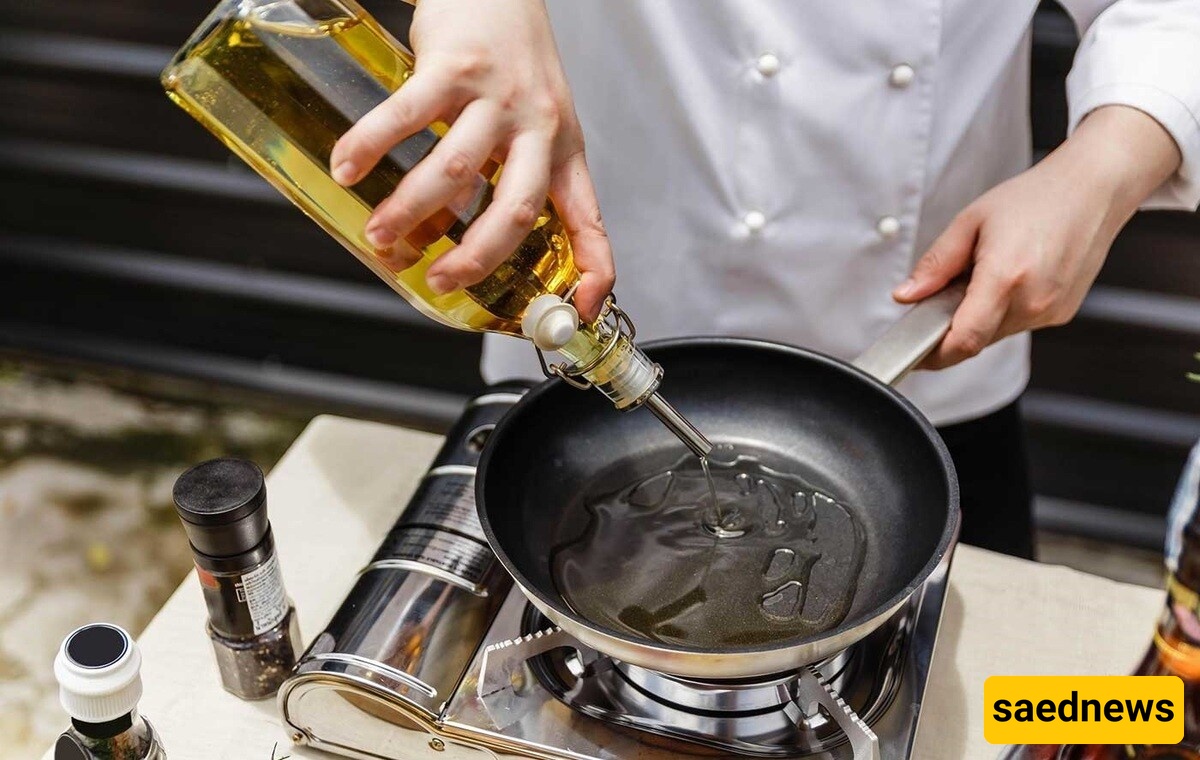
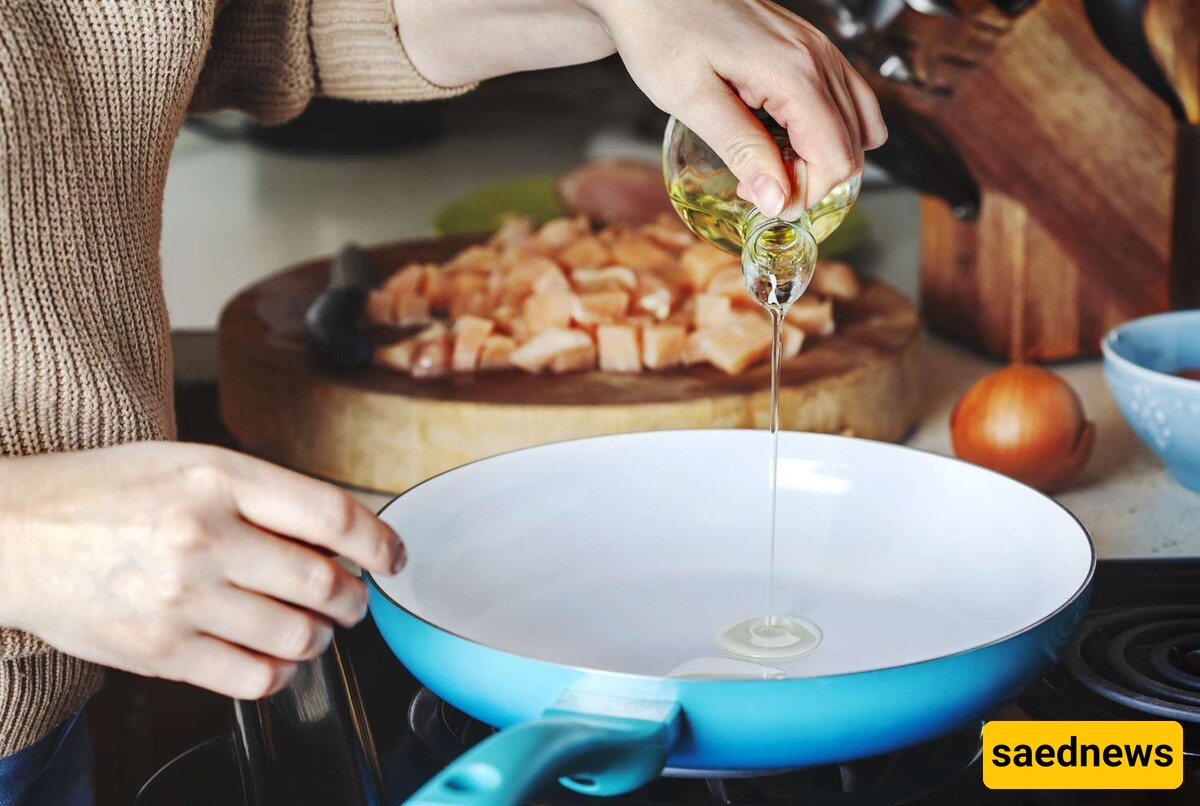
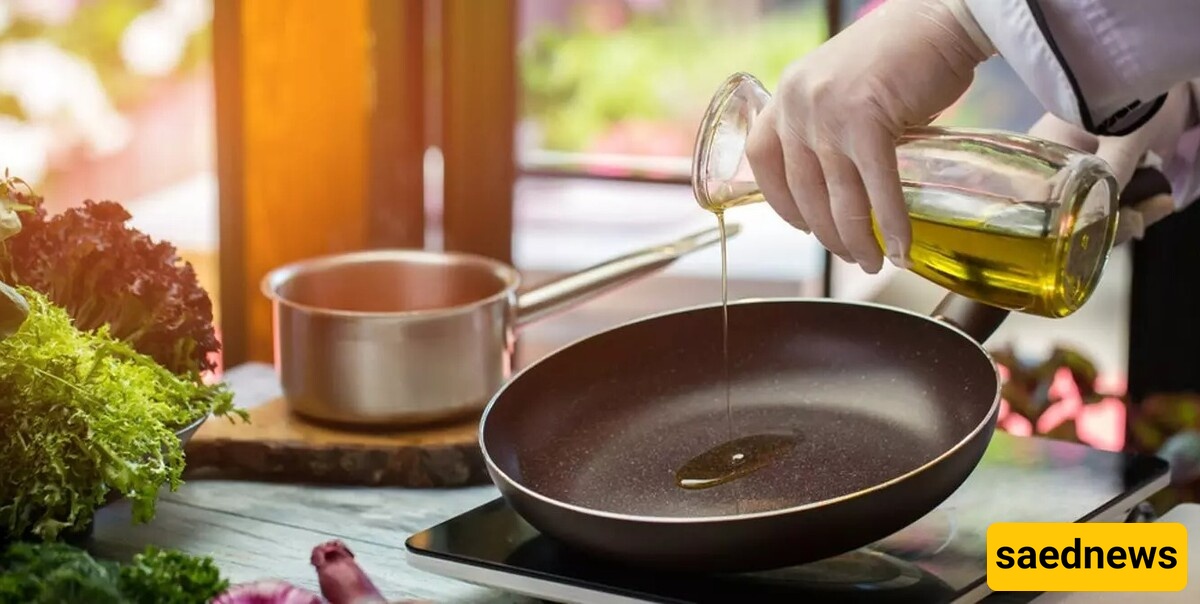
One of the most effective ways to prevent oil from splattering is to ensure the pan is completely dry before cooking. Moisture causes water to evaporate upon contact with heat, sending oil droplets flying. To fix this, simply heat the pan briefly to evaporate any remaining water before adding oil.
Even if the pan is dry, wet food can still cause splattering. Pat ingredients with a clean paper towel to remove excess moisture before frying.
Sprinkling a small amount of flour on food before frying can prevent oil from splashing. The flour absorbs residual moisture, reducing the likelihood of oil scattering.
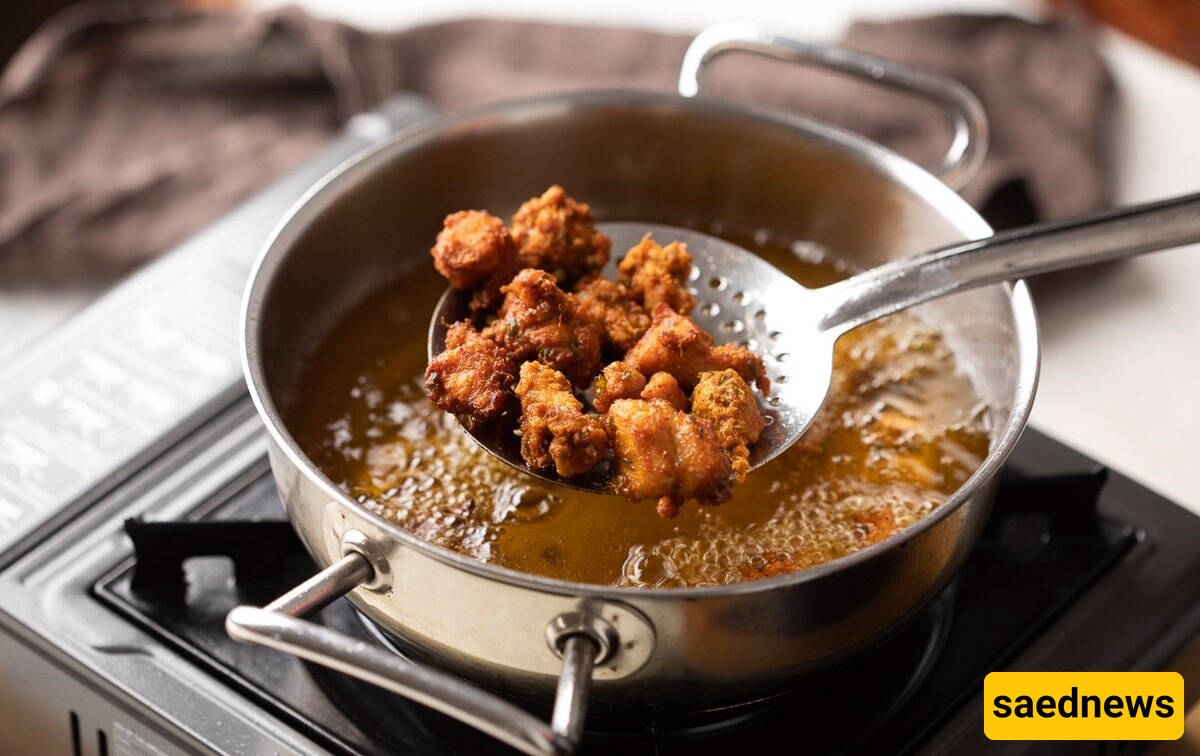
A deeper pan is a simple and effective way to contain oil splatters while frying.
Overheated oil splashes more easily. The ideal frying temperature is around 180°C (356°F).
Covering the pan with a lid may seem helpful, but it traps moisture. As water droplets fall back into the oil, splattering can actually double.
Adding a small piece of bread to the pan can absorb oil and prevent it from splattering outside the pan.
If oil bubbles aggressively, sprinkle a little salt. This helps absorb moisture and calm the oil bubbles.
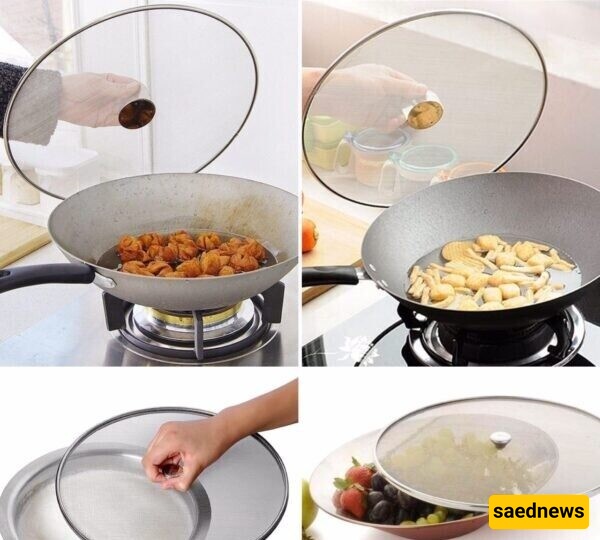
A metal splatter guard allows steam to escape while keeping oil contained, helping keep the kitchen clean.
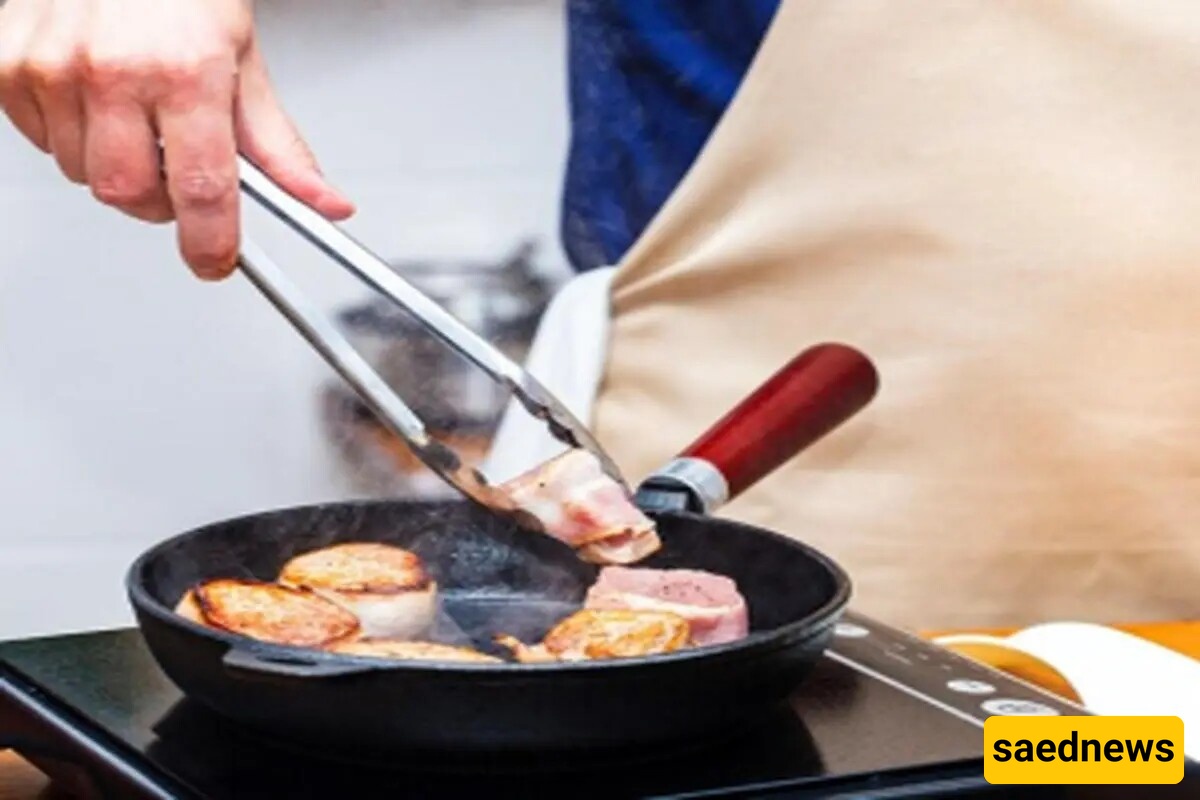
Instead of dropping food into hot oil, lower it carefully from a few centimeters above the pan using tongs or another tool to reduce splattering.
When frying eggs, placing half of the eggshell in the pan can help reduce splattering. Remove the shell only after cooking is complete.
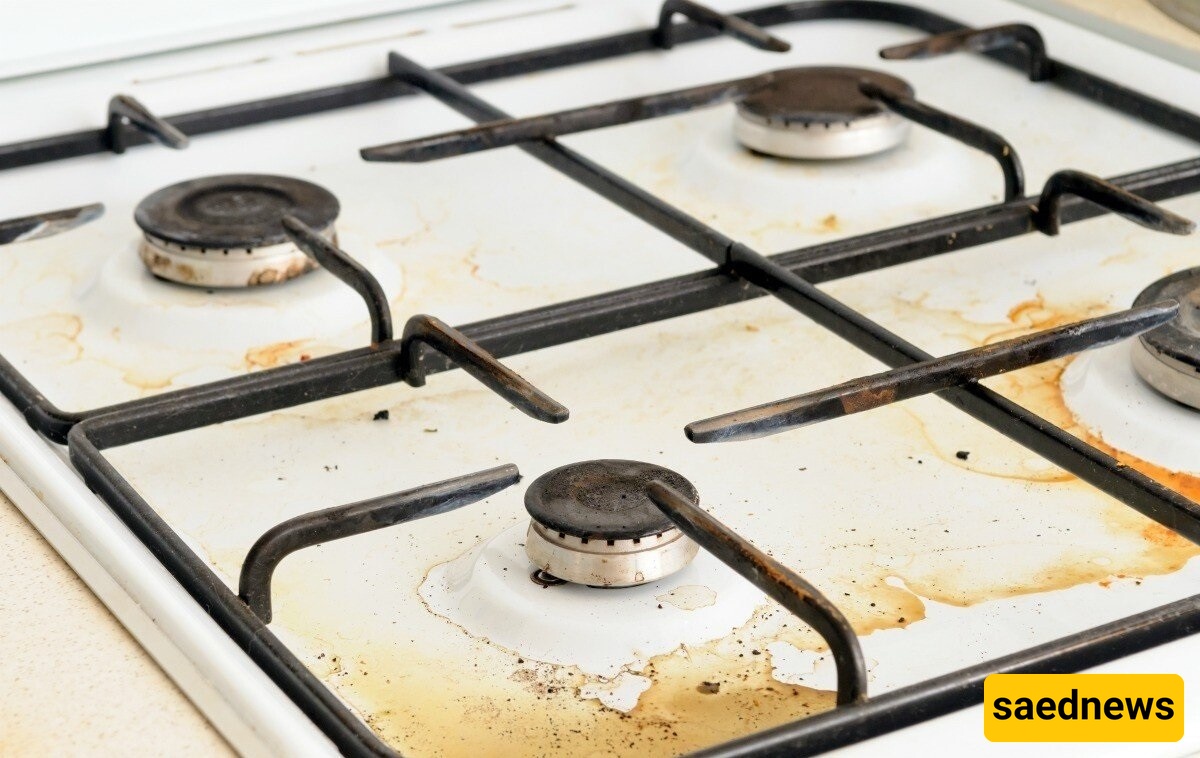
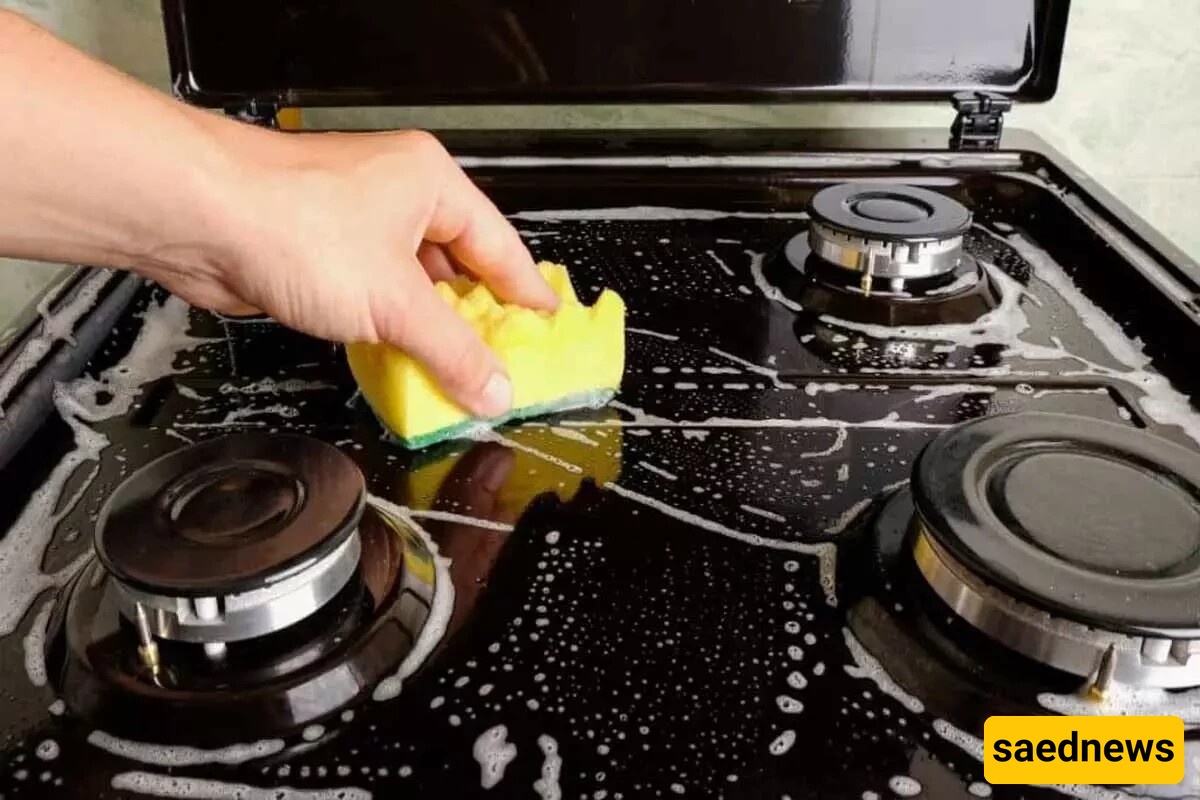
 How to Clean Oil from the Stove
Baking Soda and Vinegar: Mix vinegar and baking soda, apply for 5 minutes, then clean with hot water. Effective for greasy stovetops and cabinets.
Soft Drinks: Pour a little soda on oil stains, wait, then clean with hot water.
Lemon Juice: Pour hot water over oil, then let lemon juice sit for 10 minutes before rinsing. Works well on enamel stoves.
Commercial Stove Cleaners: Use carefully, ensuring all chemical residues are removed with hot water before turning on the stove.
Use Proper Equipment: Deep pots with strainers help separate food from hot oil.
Don’t Overfill the Pan: Fill oil no more than two-thirds to prevent splattering or fire.
Choose the Right Oil: Peanut, olive, and canola oils are excellent for frying.
Control Temperature: Most frying requires 175–180°C (347–356°F). Test with bread; if it browns in 30 seconds, the oil is ready.
Cook in Small Batches: Overcrowding reduces oil temperature, leading to greasy, soggy food.
Drain and Dry Fried Food: Place cooked food on paper towels to absorb excess oil.
Season Immediately: Salt, lemon, or vinegar added right after frying sticks to the surface and enhances flavor.
Filter Oil for Reuse: Strain cooled oil to remove food particles; store in a sealed container in the fridge.
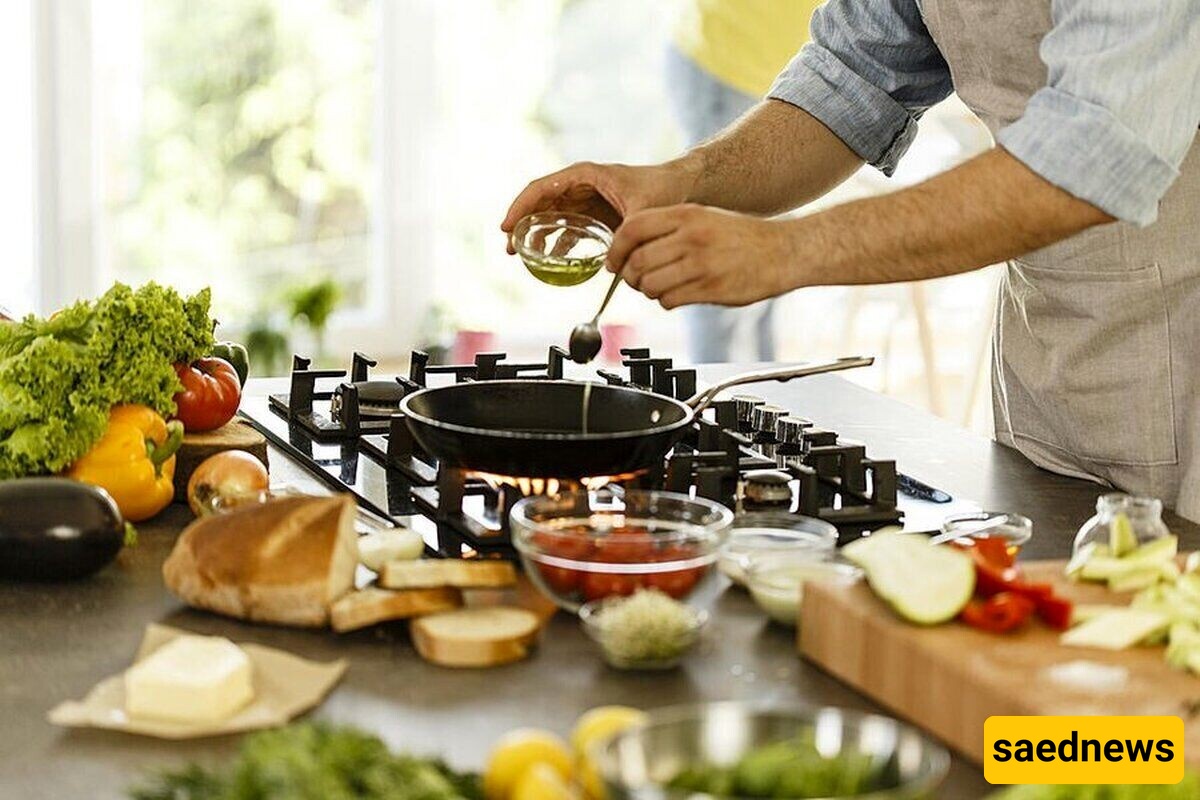
Vegetable Oil: High smoke point, neutral flavor, all-purpose.
Peanut Oil: Ideal for frying.
Corn Oil: High smoke point, versatile.
Olive Oil: Great for sautéing and frying.
Canola Oil: Neutral and versatile.
Coconut Oil: Good for stir-frying.
Heat oil to around 190°C (374°F), not higher or lower.
Coat food lightly in batter to prevent excessive oil absorption.
Avoid adding salt before frying; it draws out moisture and increases splattering.
Ensure wet foods like potatoes or eggplant are fully dried.
Don’t overcrowd the pan; it lowers the oil temperature.
Use the right amount of oil—not too little or too much.
Why does oil splatter while frying?
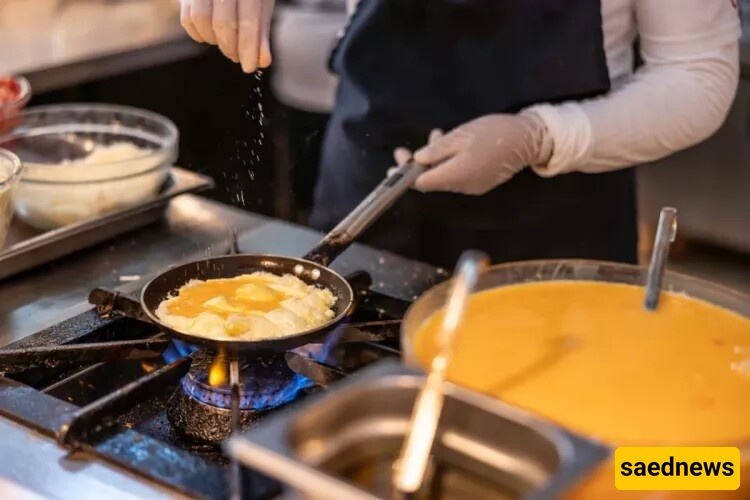
High heat increases pressure and forms oil bubbles, which can burst and splatter.
How can I prevent oil from splattering?
Use a mesh guard, dry the pan and food thoroughly, and monitor oil temperature.
Does using a lid help?
A mesh lid prevents splattering but allows steam to escape, reducing mess.
Why shouldn’t I drop food randomly into the pan?
Dropping food causes oil to splash. Add food slowly from a small height instead.
How can I control oil temperature?
Use a cooking thermometer to maintain optimal frying temperature and prevent splattering.