SAEDNEWS: The True Taste of Turkish Coffee Comes from Brewing It Right: Learn Brewing Methods, Aroma-Boosting Tips, and How to Choose the Best Beans

Turkish coffee is one of the oldest methods of brewing coffee, predating French press and espresso. When making Turkish coffee, it doesn’t matter whether you use Arabica or Robusta beans—the key is knowing the proper brewing technique. Here, we’ll guide you through different methods of preparing Turkish coffee and share essential tips to help you brew it perfectly.
Turkish coffee dates back to the Ottoman Empire and was introduced to Iran in the 16th century. Over time, it became a staple in social, cultural, and literary gatherings. What sets Turkish coffee apart is the way the coffee is ground extremely fine—almost powder-like—before being brewed slowly over gentle heat. Unlike French press or espresso machines, Turkish coffee doesn’t use a filter; the grounds remain in the cup, settling at the bottom or being sipped along with the liquid. This method produces a rich, thick texture and a layer of foam, or crema, on top, which is a hallmark of Turkish coffee.
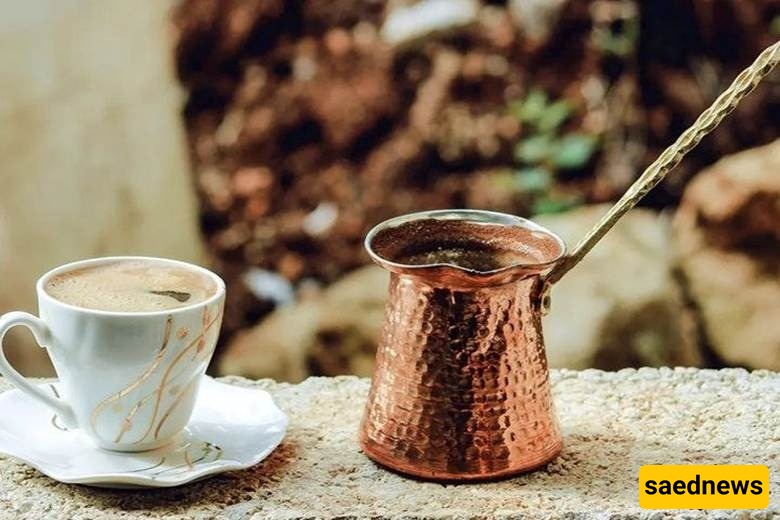
The brewing method directly influences the coffee’s taste, aroma, and appearance. That’s why controlling heat and brewing time is crucial: even a small change in temperature or duration can lead to bitterness or insufficient foam. Mastery of the brewing process is essential to achieving the authentic flavor and foam of Turkish coffee.
For the fullest flavor and aroma, use fresh, high-quality coffee beans. For Turkish coffee, the beans must be ground very finely—so fine that they resemble flour to the naked eye. This fine grind allows the flavor to be fully extracted during slow brewing and ensures a smooth, thick foam forms on the surface.
To brew Turkish coffee traditionally, you’ll need a cezve (small pot), finely ground Turkish coffee, cold water, and sugar if desired. The standard ratio is one to two teaspoons of coffee per cup, with sugar added to taste.
Mix the water, coffee, and sugar in the cezve and place it over low heat. As the coffee warms, it will slowly release its aroma and flavor. When foam begins to rise, do not stir, as this will destroy the delicate layer. To maintain thick, golden foam, watch the coffee carefully and remove it from heat just before it reaches a full boil. You can repeat this process once to enhance the foam. Avoid excessive heat, over-stirring, or adding coffee after boiling, as these mistakes compromise the flavor and foam.
For convenience, you can use a specialized electric Turkish coffee maker. Fill the water reservoir, add finely ground coffee, and follow the machine’s instructions. Electric machines brew coffee at a controlled temperature, producing a slightly less intense flavor and thinner foam than the traditional method—but they are faster and require minimal skill.
No cezve? No problem. Use a small, thick-bottomed pot, such as a milk pan or small saucepan. Avoid wide pots to ensure proper foam formation. Mix water, coffee, and sugar, then heat gently. When the foam rises, remove from heat. Repeat once for more foam if desired, but always control the heat to prevent burning and preserve the coffee’s flavor.
Turkish coffee is often enjoyed plain, but you can add spices or flavorings for variety. Cardamom is a traditional favorite in Iran and the Middle East, while cinnamon, nutmeg, or clove are also common. Sweeteners such as sugar or honey can be added according to taste. Cocoa powder or dark chocolate can give the coffee a mild, chocolaty bitterness. Additions should be used sparingly to preserve the coffee’s natural flavor.

Use cold water and stir gently: Dissolve coffee and sugar evenly to release flavor and prevent grounds from settling.
Low heat and patience: Gradually bring the mixture to form foam without overheating.
Proper cups: Serve in small, pre-warmed cups.
Drink immediately: Enjoy Turkish coffee right after brewing, as foam and aroma diminish over time.
For authentic flavor, use freshly roasted, high-quality beans and a very fine grind. Look for packaging with a one-way valve to maintain freshness. If possible, grind beans just before brewing. Store coffee in an airtight container in a cool, dry place, away from moisture and light.

Each method—Turkish, espresso, and French press—produces a distinct flavor and texture. Turkish coffee uses very fine powder and slow brewing over low heat, resulting in thick, foamy coffee with sediment at the bottom. Espresso is made with high-pressure water and finely ground beans, producing a concentrated coffee with crema and a bitter-caramel taste. French press uses coarse grounds steeped in hot water for a lighter flavor and no foam. The differences allow one type of coffee bean to offer multiple tasting experiences.
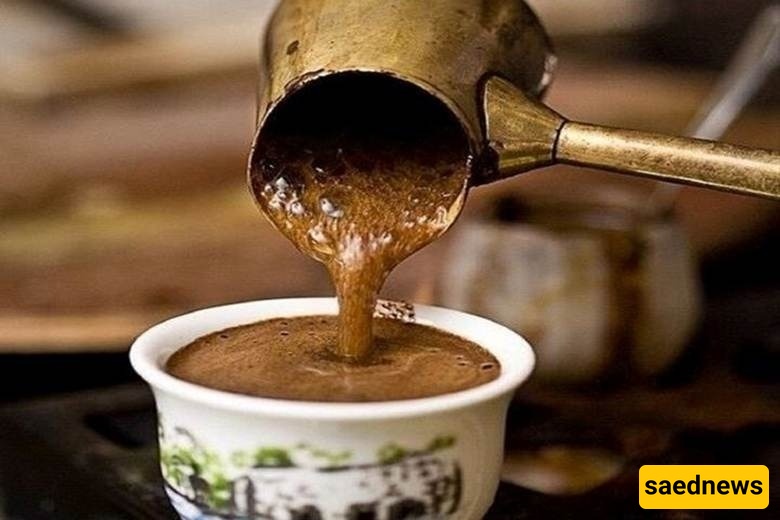
Brewing authentic Turkish coffee is an art that requires care and patience. Choosing the right beans, grinding finely, using cold water, gentle stirring, and low heat all contribute to a richly flavored cup with velvety foam. Turkish coffee reflects a culture that savors flavor and aroma slowly—inviting you to experience calm and pleasure in every sip.