SAEDNEWS: Miscarriage is a painful experience that can affect a mother’s mental and emotional state in different ways, depending on the circumstances. Involuntary miscarriage often intensifies feelings of loss and despair, while voluntary abortion can trigger guilt.

According to Saed News’ social affairs service, citing IRNA, there is a profound difference between someone who spares no effort to nurture and protect a developing cell in the hope of creating a fully formed human being and someone who, upon learning of a pregnancy, immediately considers terminating a potential child.
Those who undergo abortion without any reason extinguish a part of humanity within themselves. Intentional abortion is equivalent to taking a life and carries consequences. It would be surprising if it did not lead to guilt and a troubled conscience. What, other than selfishness, could drive someone to abort under the pretext of lacking patience for parenting or even economic concerns? Such actions are irreparable or extremely difficult to undo. Therefore, a mother who intentionally aborts without a legitimate religious or medical justification is likely to suffer from guilt and remorse.
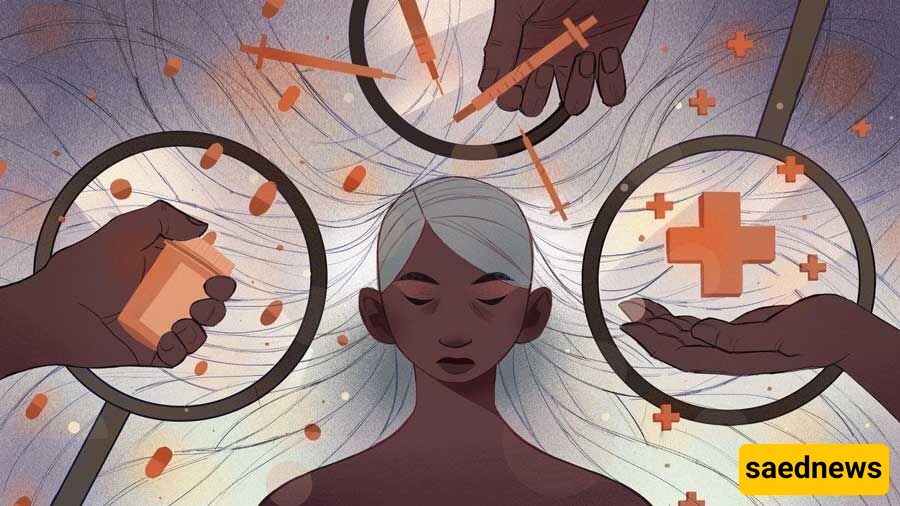
Every abortion carries emotional and psychological consequences, and when it is intentional, it introduces additional challenges. Scientific evidence shows that the effects of intentional abortion are not limited to physical health. The risk of complications is higher in unsafe or clandestine procedures, making the matter more serious for women who are generally not opposed to motherhood. Those who abort during engagement or due to extramarital relationships face even greater fear and stress.
Negative emotions after abortion can be so powerful that they cast a long shadow over one’s life for months or even years. These psychological reactions are often likened to post-traumatic stress disorder (PTSD) and include depression, mood changes, lack of motivation, reduced energy, decreased concentration, weight fluctuations, sleep disturbances and nightmares, recollection of abortion scenes, heightened anxiety, guilt, marital issues, substance abuse, and in severe cases, suicidal thoughts.
Research shows a complex link between abortion and mental health, particularly the risk of suicide. In a long-term study conducted in New Zealand, women were tracked from birth to age 30 to examine pregnancy history and mental health outcomes. The study revealed that women who had undergone abortion reported numerous mental health challenges, including severe depression, anxiety disorders, alcohol and substance dependence, and suicidal ideation.
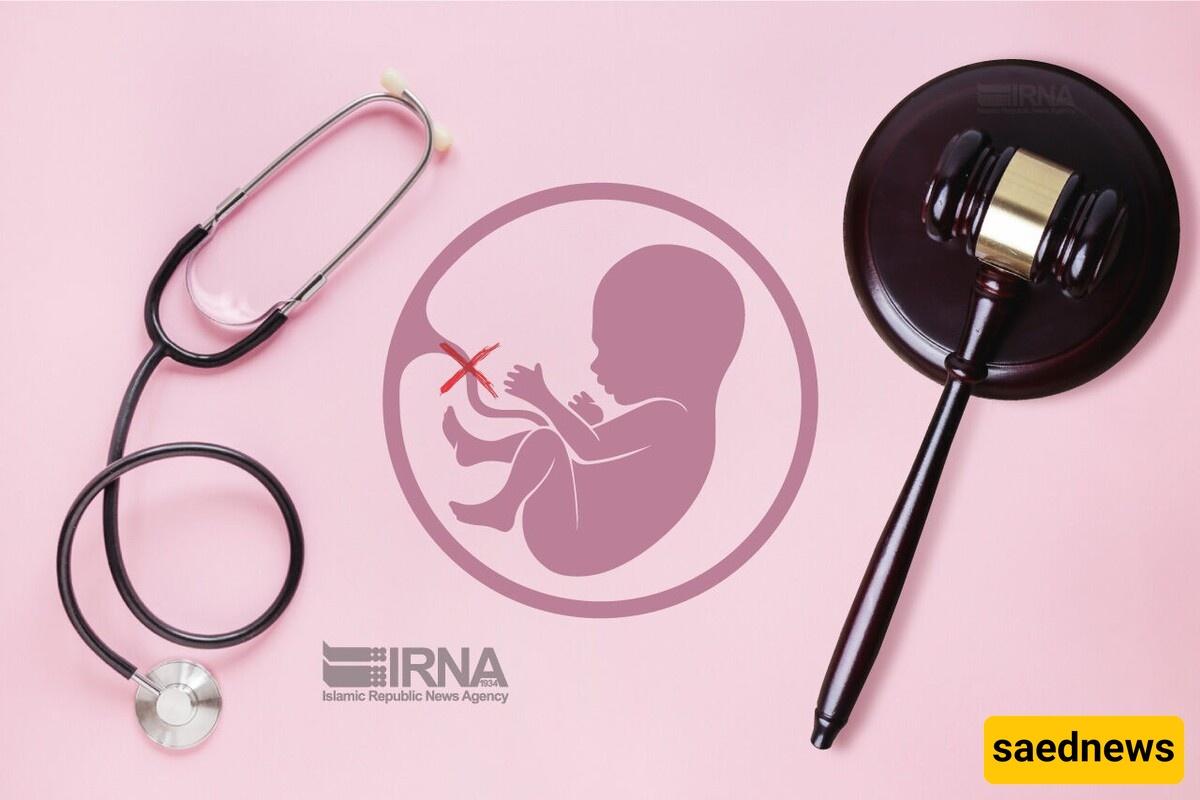
Studies comparing women who experienced miscarriage with those who underwent intentional abortion show that both groups experience emotional and psychological changes. However, in cases of miscarriage, this period typically does not exceed six months, whereas women who have intentional abortions may experience disturbances for years.
According to Tebyan’s website, research indicates that after an unintended miscarriage, mothers commonly experience anger, grief, loss, guilt, and frustration. By contrast, those who undergo intentional abortion often face prolonged anger, persistent guilt, and shame—emotions that endure longer and are slower to subside.