SAEDNEWS: Archaeologists have actively searched for lost civilizations, but they have not found everything yet. Remarkable ancient cities — including former capitals of great kingdoms and empires — still exist that have never been discovered.

We know these cities existed because ancient texts describe them — yet their exact locations have been lost over time. In some cases, looters have discovered them and removed large numbers of artifacts, but have never revealed where the cities were. Here are six ancient cities whose locations remain unknown.
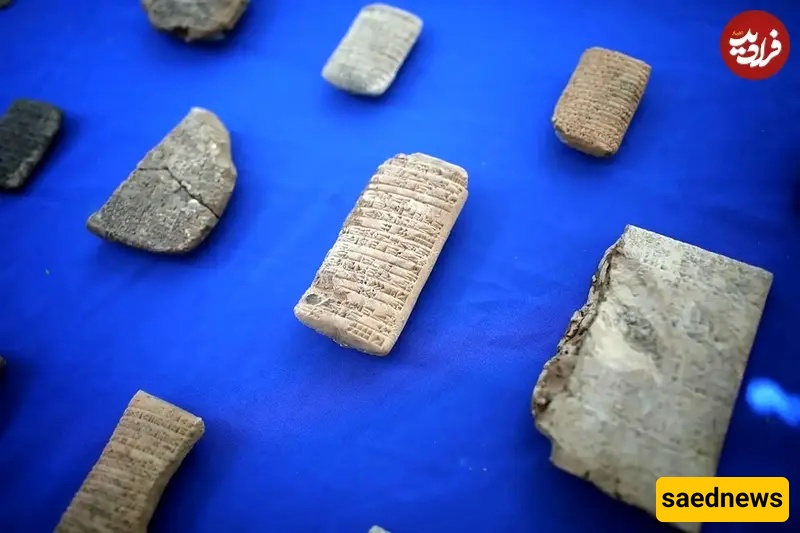
Shortly after the U.S. invasion of Iraq in 2003, thousands of ancient tablets from a city called Irisagrig appeared on the antiquities market. The tablets show that Irisagrig was located in what is now Iraq and flourished about 4,000 years ago.
The texts describe rulers living in palaces where many dogs were kept and even lions were raised and fed cattle. The caretakers of these lions, called “lion shepherds,” received rations of bread and beer. The tablets also mention a temple dedicated to Enki, the god of wisdom and cunning, where festivals were sometimes held.
Archaeologists believe looters discovered and plundered Irisagrig around 2003. The city itself has never been located, and those who found it have never revealed its position.
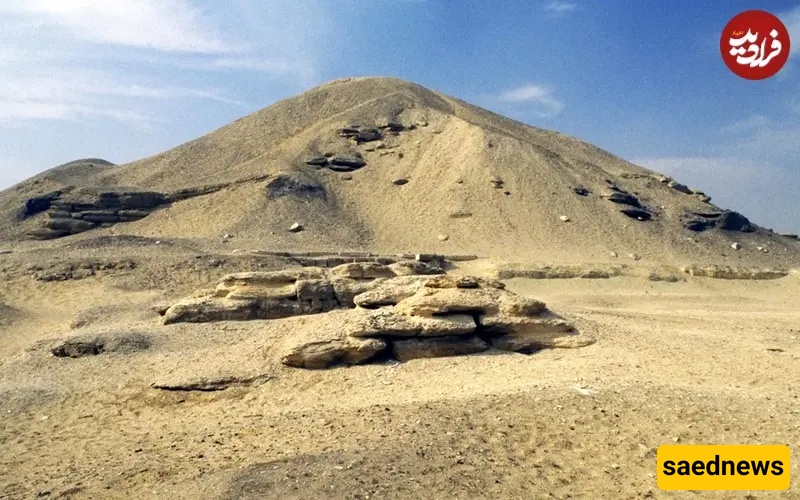
The Egyptian pharaoh Amenemhat I (reigned c. 1981–1952 BCE) founded a new capital called Itjtawy, meaning “Seizer of the Two Lands.” His reign was unstable and ended in assassination.
Despite this, Itjtawy remained Egypt’s capital until about 1640 BCE, when northern Egypt fell to the Hyksos and the kingdom collapsed. The city has never been found, but archaeologists suspect it was near Lisht in central Egypt, where many royal burials — including Amenemhat’s pyramid — are located.
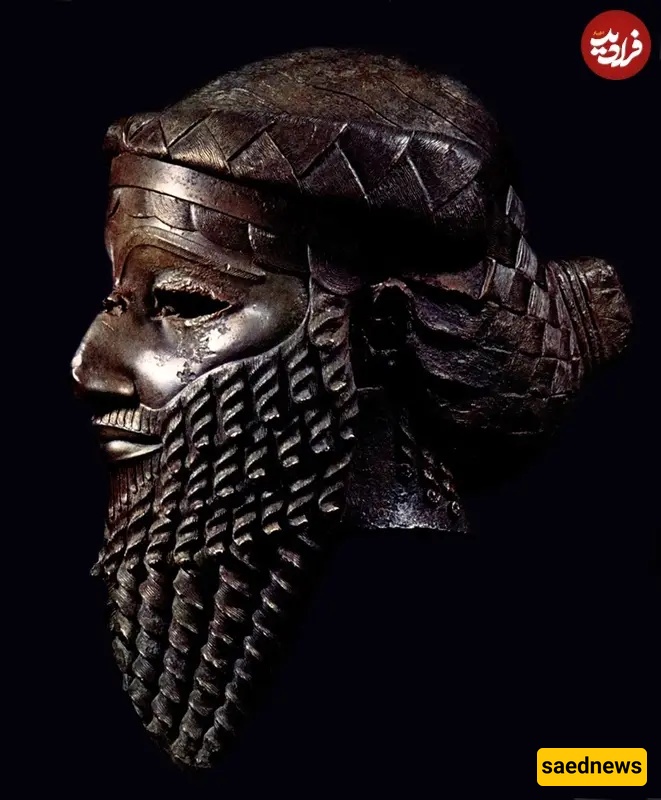
Akkad (or Agade) was the capital of the Akkadian Empire, which flourished between about 2350 and 2150 BCE and stretched from the Persian Gulf to Anatolia. Much of this expansion occurred under Sargon of Akkad.
One of the city’s most important buildings was the temple of Ishtar, the goddess associated with war, beauty, and fertility. Akkad has never been located, but it was likely in present-day Iraq and seems to have been abandoned or destroyed when the empire collapsed.
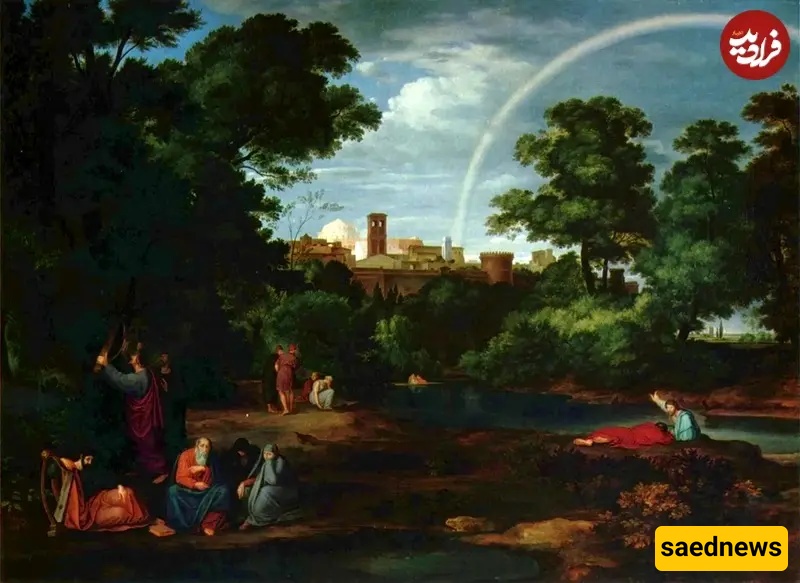
Al-Yahudu, meaning “City of Judah,” was a settlement in the Babylonian Empire where Jewish exiles lived after Nebuchadnezzar II conquered Jerusalem in 587 BCE.
About 200 surviving tablets show that the exiles preserved their religious identity and used the name Yahweh in personal names. The settlement’s location remains unknown, but it was likely somewhere in modern Iraq. Its discovery by looters is suggested by the sudden appearance of the tablets on the antiquities market.
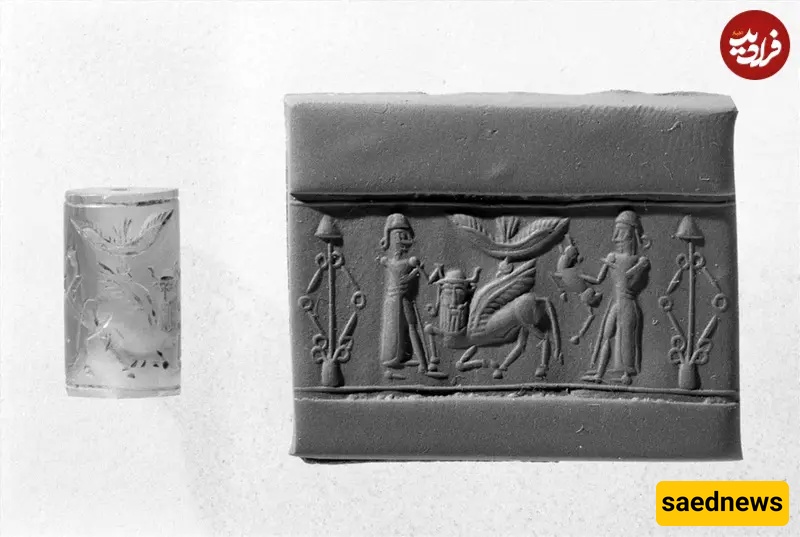
Waššukanni was the capital of the Mitanni Empire, which existed between about 1550 and 1300 BCE across parts of northeastern Syria, southeastern Anatolia, and northern Iraq.
The city has never been found, though it may have been in northeastern Syria. Most of the empire’s population were Hurrians, who spoke a language known today only from ancient texts.
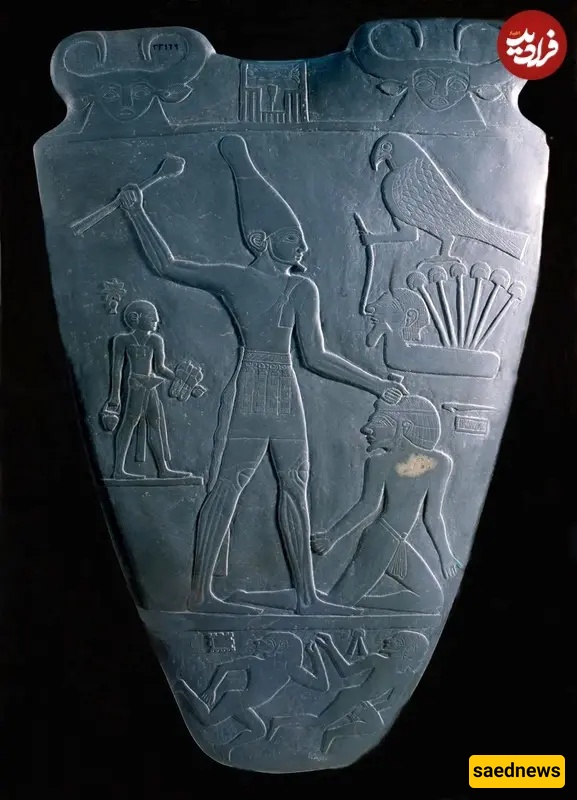
Thinis (or Tjenu) was an early city in southern Egypt that flourished at the dawn of Egyptian civilization. According to the ancient historian Manetho, some of Egypt’s earliest kings ruled from there around 5,000 years ago.
The capital later moved to Memphis, and Thinis became the capital of a regional province. The city has not been identified, but it was likely near Abydos, where many early elites were buried.