SAEDNEWS: Neferusobek, daughter of Amenemhat III, ruled Egypt c. 1806–1802 BCE as the last pharaoh of the Twelfth Dynasty. Her name, “Beauty of Sobek,” highlights her link to the crocodile god Sobek.

According to Saed News’ society service, Sobekneferu—sometimes called Neferusobek or Subkekara—is one of the most remarkable figures in ancient Egyptian history. She is recognized as the last pharaoh of the 12th Dynasty (c. 1985–1773 BCE) and the first woman to rule Egypt officially with the full pharaonic title. Her reign, which lasted only about four years (1806–1802 BCE), symbolizes female power in ancient societies and reflects the political and social shifts at the end of Egypt’s Middle Kingdom. The name Sobekneferu means “Beauty of Sobek,” referring to the crocodile-headed god Sobek, a major deity in the Faiyum region. This name underscores her deep connection to the religious and cultural beliefs of her time.
Despite her short rule, Sobekneferu played a crucial role in maintaining Egypt’s stability. Her legacy endures through inscriptions, statues, and historical texts. She is celebrated not only as a ruler but also as an emblem of women’s authority in ancient Egypt. This article explores Sobekneferu’s life, reign, achievements, and enduring influence.
Early Life and Family
Little is known about Sobekneferu’s birth and childhood. Historical evidence suggests she was the daughter of Amenemhat III, one of the most powerful pharaohs of the 12th Dynasty. Amenemhat III oversaw a period of economic and cultural prosperity, including massive irrigation projects in the Faiyum region and the construction of monumental pyramids. Sobekneferu likely grew up in the royal court, receiving the education necessary for political and religious roles.
She was the sister of Amenemhat IV, who succeeded their father. Some historians believe Sobekneferu may have been his wife, a common practice among Egyptian royalty to preserve bloodlines. This close family connection facilitated her eventual rise to power. In historical texts such as the Turin King List, her name appears as Amenemhat IV’s successor, highlighting her prominent position in the royal hierarchy.
During her youth, Sobekneferu was likely involved in religious and administrative affairs. Her association with Sobek, the god of fertility and Nile protection, indicates her role in religious ceremonies. The Faiyum region, the center of Sobek worship, held great importance in the 12th Dynasty, and Sobekneferu may have contributed to its development.
Rise to Power and Reign
Following Amenemhat IV’s death around 1806 BCE, Sobekneferu ascended the throne. The exact cause of his death is unknown, but he apparently had no heir, positioning Sobekneferu as the closest eligible relative to rule. This transition marks the first known instance in Egyptian history of a woman ruling independently with the full pharaonic titles, including “King of Upper and Lower Egypt” and “Son of Ra.”
Her reign was brief, lasting roughly three years and ten months according to the Turin King List. During this time, Egypt faced challenges such as declining central authority and external threats, eventually leading to the end of the 12th Dynasty and the beginning of the Second Intermediate Period. Nevertheless, Sobekneferu worked to maintain stability. She adopted male titles but is depicted in some statues wearing female attire, blending traditional gender representations.
Her policies focused on preserving her father’s and brother’s legacies. She continued construction projects, including temples and structures associated with Sobek. Key evidence of her rule includes inscriptions in the Faiyum region bearing her name. She may also have participated in foreign affairs, such as relations with Nubia and Asia, though details remain scarce.
Achievements and Monuments
Despite her short reign, Sobekneferu achieved notable accomplishments. She emphasized religion and culture, completing significant building projects. One of the most important is the Sobek temple at Hawara, part of Amenemhat III’s pyramid complex, which she may have completed and inscribed with her name.
Archaeological evidence includes statues of her preserved in museums worldwide. For example, a well-known bust in Berlin shows her wearing a royal crown. Cylinders bearing her name suggest the use of royal seals. These artifacts confirm her historical significance.
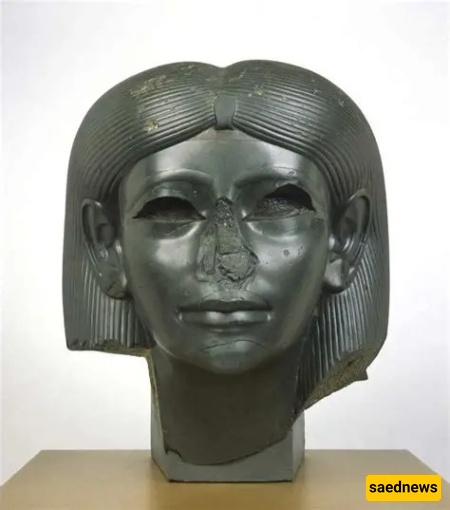
Religiously, Sobekneferu was referred to as the “Goddess of Seven Stars,” possibly reflecting contemporary astronomical beliefs. She also contributed to Faiyum’s agricultural and irrigation development, making the region an economic hub. Her accomplishments in maintaining Egyptian unity during a period of crisis established her as an effective leader.
Legacy and Historical Impact
Sobekneferu’s legacy extends beyond her brief reign. As the first female pharaoh, she paved the way for women like Hatshepsut in the 18th Dynasty, who ruled over two centuries later and enjoyed a longer reign. Sobekneferu remains the first confirmed female ruler to govern independently without a male regent.
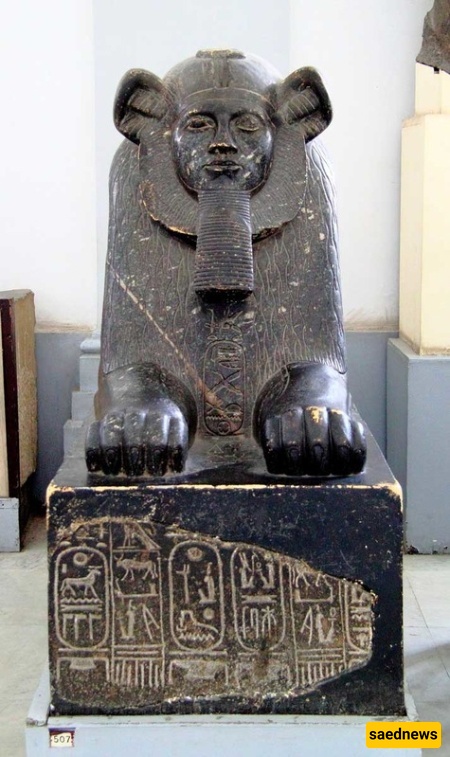
After her death—circumstances unknown—the 12th Dynasty ended, and Egypt entered a period of unrest. Her tomb is believed to be near Amenemhat III’s pyramid at Hawara but remains undiscovered. In modern times, Sobekneferu has become a symbol of female power in ancient history, featured in books, documentaries, and academic research. Andrew Collins’ book, The First Female Pharaoh: Sobekneferu, Goddess of Seven Stars, explores her life and mysteries.
In popular culture, Sobekneferu appears as a modern icon, representing women’s leadership in patriarchal societies and offering lessons for today’s communities.
FAQs About Sobekneferu: Egypt’s First Female Pharaoh
1. Who was Sobekneferu, and why is she considered the first female pharaoh?
Sobekneferu (Subkhenfre) was the last pharaoh of Egypt’s 12th Dynasty (c. 1806–1802 BCE). She was the first woman to hold all official pharaonic titles and rule independently without a male regent.
2. What does her name mean, and why was it chosen?
“Sobekneferu” means “Beauty of Sobek,” referencing the crocodile-headed god revered in Faiyum. The name reflects her religious devotion and regional ties.
3. How long did she reign, and why was it short?
According to the Turin King List, Sobekneferu ruled about 3 years and 10 months. Her brief reign likely resulted from a lack of direct heirs and political unrest, ending the 12th Dynasty and ushering in the Second Intermediate Period.
4. What are her most important surviving monuments?
Key monuments include her famous bust in Berlin, inscriptions at Hawara, royal seal cylinders, and the completion of the Sobek temple within Amenemhat III’s pyramid complex. Her possible pyramid at Mazghuna remains undiscovered.
5. Was she truly the first female ruler of Egypt?
Sobekneferu is the first woman with confirmed evidence (inscriptions and statues) of independent rule with full pharaonic titles. Earlier women, like Merneith (1st Dynasty) or Neithhotep, held important titles but never the full status of a pharaoh.
Conclusion
Sobekneferu, despite her short but influential reign, holds a unique place in ancient Egyptian history. She was the first female pharaoh and a symbol of power, religion, and leadership during a time of crisis. Archaeological and historical evidence provides a clear picture of her achievements and underscores the role of women in ancient societies. Even in antiquity, women could reach the highest levels of power. Sobekneferu continues to inspire future generations, and her legacy remains an enduring part of world history.