SAEDNEWS: Iran’s Foreign Minister Abbas Araqchi said Tehran and Washington had come “very close” to an agreement, but the process collapsed because the United States insisted on “zero enrichment” and ultimately chose confrontation over diplomacy.
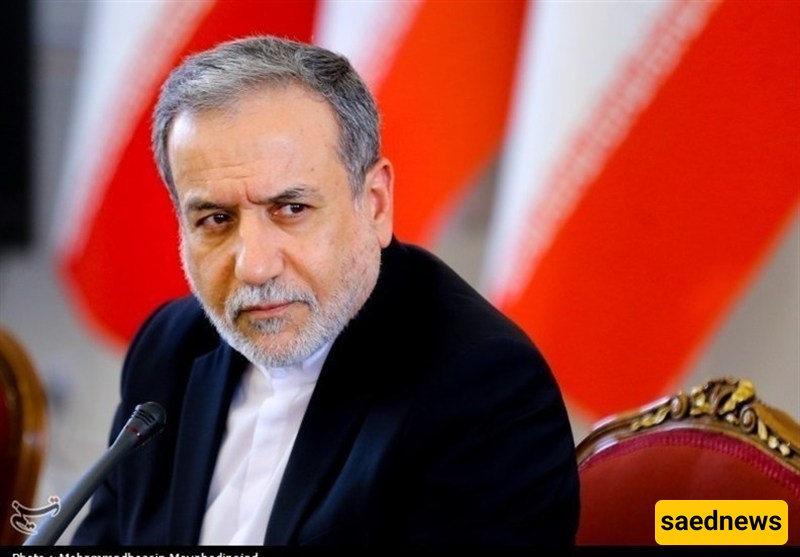
Iranian Deputy Foreign Minister Abbas Araqchi, in an exclusive interview in Muscat with the program Ma‘a Mousa Al-Farraji, praised Oman’s longstanding and effective mediation efforts, warned that unchecked U.S. and Israeli use of force has returned international relations to a “law of the jungle,” and reaffirmed Iran’s absolute non-recognition of the “Zionist entity.” He also highlighted growing regional dialogue and trust-building, particularly with Saudi Arabia and other Persian Gulf states.
On Oman’s Mediation Role
Araqchi emphasized Oman’s reputation as a credible and effective mediator, citing its pivotal role in the 2010 talks that laid the groundwork for the 2015 nuclear deal. He explained that this year, Oman again mediated indirect negotiations between Iran and the U.S., though the talks ultimately failed due to American insistence on impossible demands, particularly regarding nuclear enrichment. Araqchi stressed that Iran remains open to negotiation, but only under fair and balanced conditions.
Reflections on U.S. and Israeli Actions
The Iranian diplomat warned that U.S. and Israeli policies have shifted international relations from law-based to power-based dynamics. He described the region as increasingly governed by the “law of the jungle,” with the Zionist entity violating multiple red lines with impunity. Despite the 12-day war initiated by the U.S. and Israel, Araqchi said Iran emerged militarily stronger and more cohesive, having identified weaknesses, tested its capabilities, and strengthened national unity.
Iran’s Regional Policy
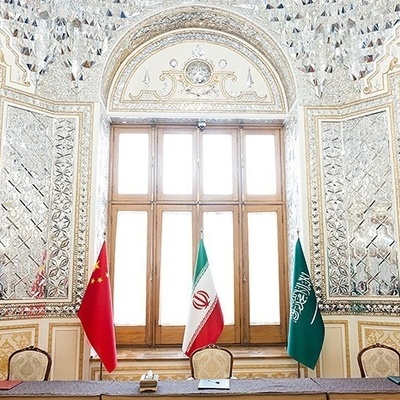
Araqchi reaffirmed Iran’s refusal to recognize the legitimacy of the “Zionist entity” and rejected the notion of direct dialogue with Tel Aviv. He stressed that Iran supports independent regional groups pursuing legitimate goals without seeking hegemony. He highlighted the positive trajectory of Iranian-Saudi relations after the 2023 Chinese-mediated rapprochement, noting regular consultations, mutual visits, and ongoing trilateral talks with China.
Security and Cooperation in the Gulf
On regional security, Araqchi advocated for arrangements led by regional states without external interference. He emphasized trust-building as a prerequisite for deeper cooperation, including economic and potentially military collaboration. Iran aims for a peaceful coexistence framework across the Gulf, where mutual respect ensures stability and security.
Domestic and Bilateral Developments
Araqchi described Iranian society as vibrant and evolving, balancing Islamic law with the needs of a new generation. Economic and travel ties with Oman are expanding, with growing trade, easier visas, and the presence of Iranian professionals. On relations with Turkey, he emphasized historical ties, constructive dialogue, and ongoing high-level exchanges. He also reaffirmed strong, independent relations with Hezbollah and Lebanon, highlighting openness to dialogue without interference in domestic affairs.
Concluding the interview, Araqchi thanked his host and expressed hope that these discussions would strengthen understanding between peoples across the region.