SAEDNEWS: Iran Doesn’t Need Weak Mediators Like Bin Salman to Talk to the U.S., Lawmaker Says
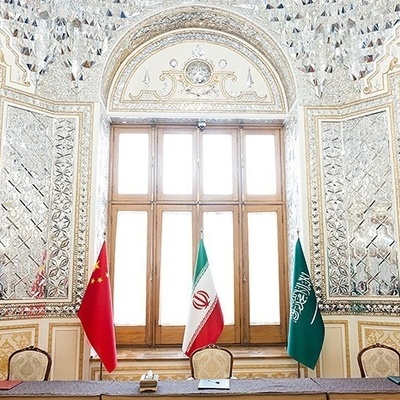
According to the political desk of Saed News, on Monday, November 16, Masoud Pezeshkian, Speaker of Iran’s Parliament, sent a written message to Saudi Crown Prince Mohammed bin Salman, thanking the neighboring government for facilitating the return of Iranian pilgrims during the 12-day conflict.
Iranian watchdog Dideban reported that, despite officials emphasizing that the message was purely an expression of gratitude, some political analysts speculated that its timing coincided with Crown Prince Salman’s visit to the United States. They suggested that Iran’s president might have been seeking Saudi mediation for potential future negotiations with Washington.
Prominent figures, including reformist political analyst and former parliamentarian Mostafa Kavakebian, echoed these speculations. However, both the Iranian Foreign Ministry spokesperson and the government spokesperson stressed that the message had no connection to any negotiations with the United States.
A few days later, on Thursday, November 27, Iran’s Supreme Leader addressed these rumors directly, calling them false and stating: “They spread rumors that Iran, through a certain country, sent a message to the U.S., which is an absolute lie. Such a thing never happened.” He further rejected any Iranian initiative to negotiate with Washington, highlighting that the U.S. “betrays even its allies for the sake of supporting criminal Zionist factions and continues to foment wars worldwide for oil and underground resources, extending its reach even to Latin America. Such a government is certainly not one with which the Islamic Republic seeks cooperation or communication.”
Meanwhile, media speculation continues that, while U.S. officials have recently suggested that “Iran seeks negotiations with the United States, though it does not explicitly say so,” they remain firm on preconditions for any talks. Steve Wittkoff, former U.S. Special Representative for Middle East Affairs under Donald Trump, had previously outlined three conditions for negotiations with Iran: complete cessation of enrichment, dismantling of proxy groups, and limiting Iran’s missile program—conditions Tehran strongly opposed. Yet the U.S. appears to continue insisting that dialogue will only proceed if these preconditions are accepted.
Amid speculation about U.S.-Iran talks, unverified reports recently emerged claiming that Israeli fighter jets entered Iraqi airspace on Tuesday night, November 24, approaching Iran’s border. According to these reports, the operation was supported by U.S. refueling fleets, breaking the sound barrier in several areas of Iraq. The Israeli jets reportedly conducted “simulated launch exercises” during the mission.
On Wednesday, November 25, Iraqi Ministry of Defense spokesperson Tahseen al-Khafaji denied reports of Israeli and U.S. aircraft flying over Iraq, stating: “The sounds heard by Iraqi citizens last night were part of planned exercises by the Iraqi Air Force.” He added that Iraqi air force drills take place both during the day and at night.
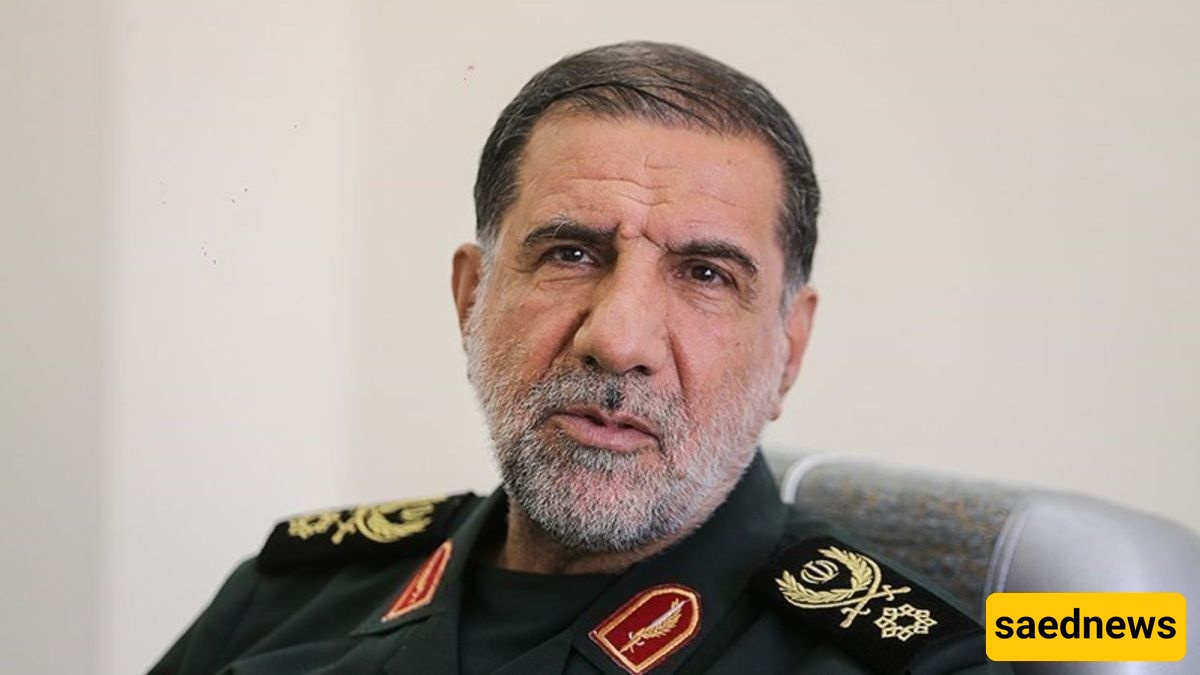
In this context, the recent remarks of Iran’s Supreme Leader, the possibility of U.S.-Iran negotiations, American preconditions for dialogue, and Israeli military movements in the region were discussed with Brigadier General Mohammad Esmaeil Kowsari, Tehran representative in the Iranian Parliament, senior IRGC commander, and member of the National Security and Foreign Policy Commission.
“If Negotiations Are to Happen, the System Will Announce It Boldly”
Regarding reports of Saudi mediation in talks with Washington, Kowsari said: “Unfortunately, from the moment the president sent the message to the Saudi Crown Prince, government officials emphasized it was merely a thank-you note for facilitating pilgrims’ return. Yet some individuals, contrary to reality, claimed it was related to Iran requesting mediation with the U.S.”
Kowsari highlighted that the Supreme Leader recently refuted these claims, stating that those spreading such rumors “lie because lying is part of their nature; they attribute lies to the Islamic Republic even when Iran acts transparently and fearlessly.”
He stressed that Iran does not need a mediator like Saudi Arabia to negotiate with the U.S.: “If Iran wants to negotiate with America, we do not need weak intermediaries like bin Salman. The U.S. is the Great Satan—we do not recognize them to send messages, directly or indirectly. Those who suggest otherwise in society lie to appear supportive, but if they truly cared about their country, they would not spread such fabrications. If the system decides to negotiate with the U.S., it will announce it openly, with courage, and without hiding anything.”
Kowsari reiterated that the presidential message to Saudi Arabia was solely about the pilgrimage and that government officials denied any other interpretation. However, he criticized individuals who continued spreading doubts despite official clarifications, saying their actions risked creating unnecessary costs for the country.
“We Reject Any Negotiation Where the Other Side Dictates Terms”
On the possibility of U.S.-Iran negotiations, Kowsari stated: “The Islamic Republic has never rejected talks, but as our senior officials have said, we will not accept negotiations where the other side dictates terms. Dialogue must be mutual, not a one-sided imposition. If Americans want to dictate conditions, we will not accept it under any circumstances.”
He emphasized: “Those claiming Iran sent messages to the U.S. have lied about the Islamic Republic. Before the 12-day war, we were negotiating with the Americans. If they were sincere, they would have allowed these talks to succeed rather than green-light attacks by the fake Zionist regime. International organizations also failed to condemn these crimes, instead offering to mediate or pressure Iran to permit inspections of nuclear sites. Such behavior is unacceptable. The IAEA should have condemned U.S. and Israeli attacks on Iran’s nuclear facilities.”
Kowsari further noted that American preconditions, such as halting enrichment or limiting missile programs, are merely excuses: “The U.S. and its allies aim to weaken Iran, not to negotiate in good faith. They want to divide Iran and prevent any regional power from opposing the Zionist occupation.”
“Iraq Must Protect Its Airspace Against Foreign Intrusions”
Regarding reports of Israeli jets near Iran’s border over Iraq, Kowsari remarked: “Any military requires drills, so these flights may relate to Israeli Air Force exercises. However, Iraqi authorities must not allow foreign aircraft to fly in their skies. Iraq is an independent country that must defend its sovereignty.”
He concluded: “Even if these aircraft belonged to the U.S. or Israel, Iraqi officials should ensure no foreign fighter enters their airspace. Iraqis must safeguard their skies against outsiders.”