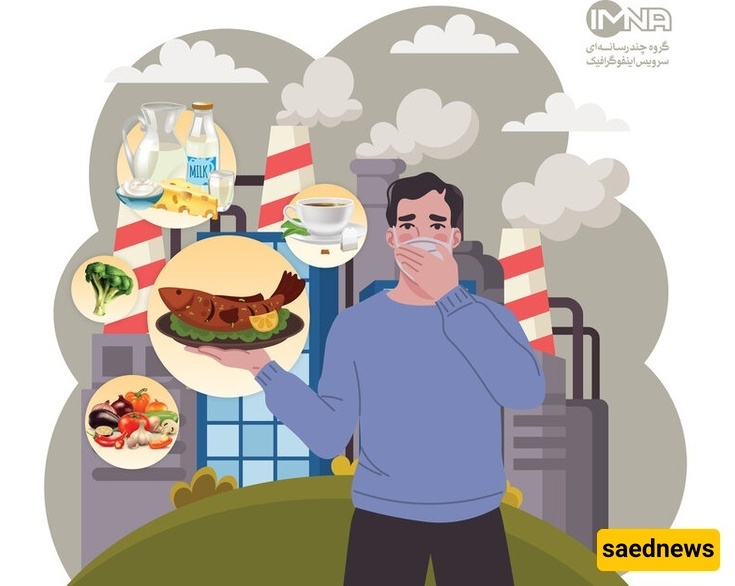
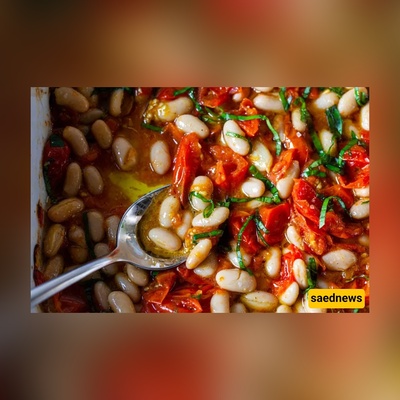
SAEDNEWS: Air pollution—especially amid the ongoing dry spells in southern Alborz—has taken a toll on everyone in Iran’s major cities, particularly Tehran. But in conditions where our lungs are filled with polluted air, is there a type of food that can help protect this vital organ?
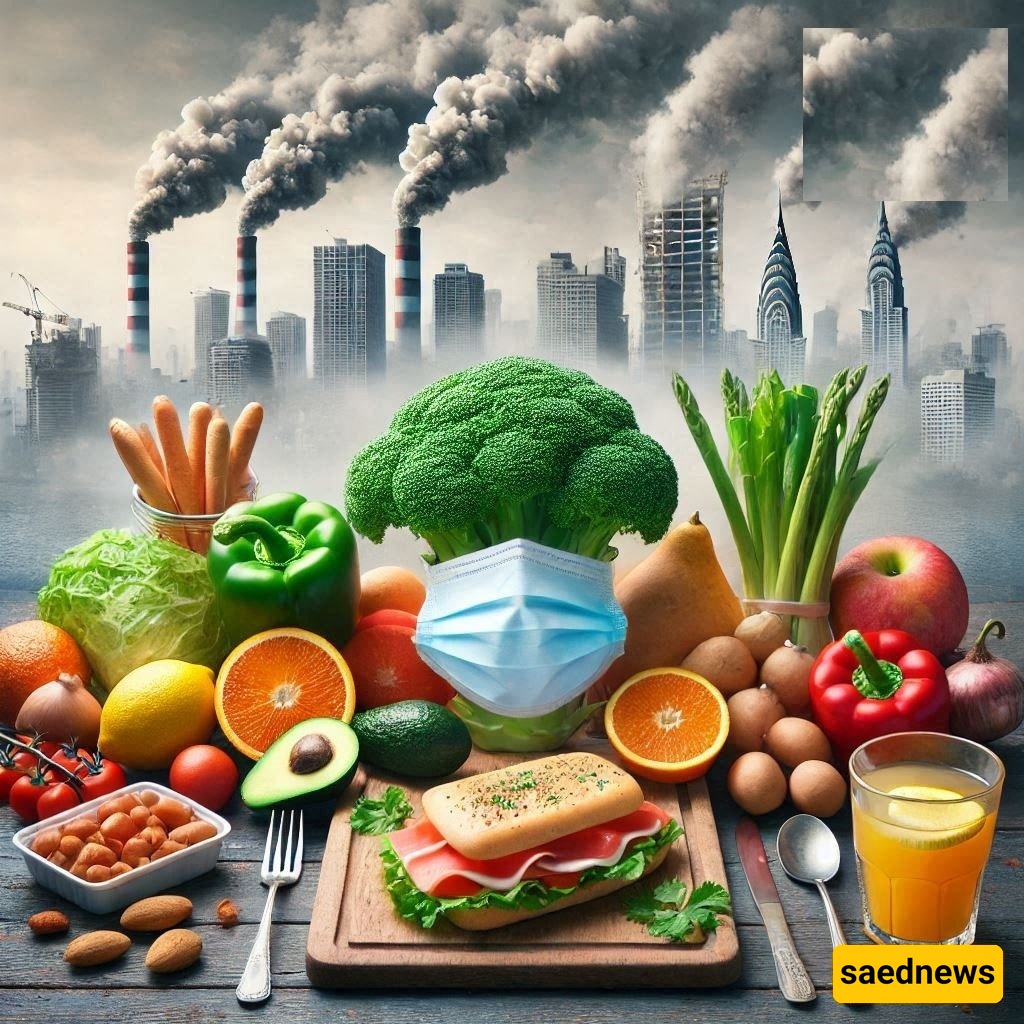
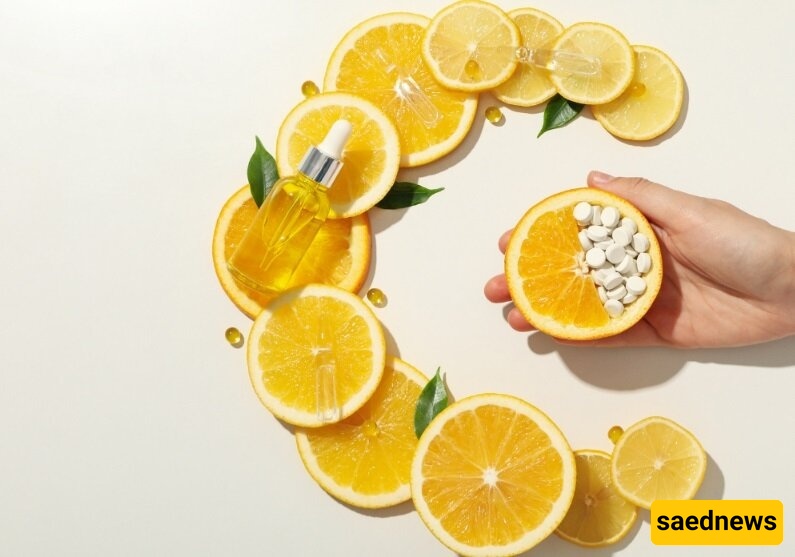
According to the Family Magazine section of SaedNews, vitamin C—with its extraordinary power found in every serving of oranges, kiwi, bell peppers, strawberries, and broccoli—might be exactly what you need to protect your lungs from the indirect assault of air pollution. A recent study by the University of Technology Sydney shows how high doses of this antioxidant can reduce damage caused by PM2.5 particles. These particles generally form from burning fossil fuels like mazut, gasoline, oil, and diesel, but they aren’t just a product of city traffic—they also come from car exhaust, wildfires, and dust storms. They penetrate deep into lung tissue, and if you live in a city with frequent air pollution, you may already be suffering from their effects.
Vitamin C Could Protect Your Lungs from Air Pollution | |
|---|---|
The Vitamin C Miracle
| Vitamin C, as a source of antioxidants, neutralizes oxygen free radicals before they can cause harm. In this experiment, Sydney researchers exposed male mice to real-world doses of PM2.5 via nasal drops. Half of the mice were given water containing 1.5 grams of vitamin C per liter—a high but tolerable concentration. The results amazed the team. In the mice receiving vitamin supplements, mitochondrial problems and lung inflammation were reduced. Human lung cells grown in the lab, called BEAS-2B cells, followed the same trend. With vitamin C, they resisted PM2.5 attacks and maintained mitochondrial function. Survival rates increased dramatically, suggesting this vitamin is not just a quick fix but a preventive measure. Mitochondria exist in nearly all human cells and are vital for survival. They produce energy, store calcium for cellular signaling, generate heat, and mediate cell growth and programmed cell death (apoptosis). |
How the Experiment Was Conducted
| Molecular biologist Brian Oliver and graduate student Xu Bai led the experiment. The research began with animal models and extended to human cell cultures. Mice were exposed to pollution levels typical of developed countries. Vitamin C was supplied in water at levels replicable in human supplementation. Examined lungs appeared much healthier under the lab microscope, showing reduced inflammation, strong mitochondria, and balanced cytokine activity. |
Hope Against Pollution
| For people living in smoggy, polluted areas like Tehran, where PM2.5 levels can easily spike, this news offers hope. However, it’s too early for definitive conclusions. Success in mice and cell studies must be tested for effectiveness and benefits in humans. Excessive vitamin C intake may cause stomach problems or kidney swelling. Always discuss your vitamin C use with a doctor or nutritionist to ensure a safe dose. The takeaway from this study is that people can aim to improve their health in polluted air by including vitamin C-rich foods like bell peppers, strawberries, and broccoli in their diet. |