SAEDNEWS: University of Maryland Medical Center Performs Historic Second Transplant of Genetically Engineered Pig Heart into a Living Human
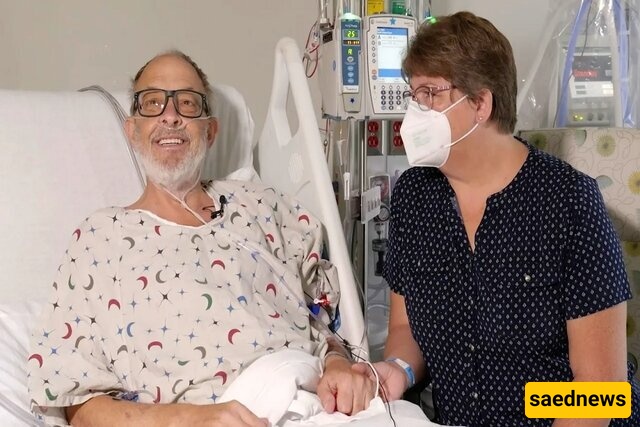
According to Saed News’ social affairs service, citing CNN, the first-ever pig-to-human heart transplant was successfully performed in January 2022, though the patient passed away several months later. Now, for the second time, this groundbreaking surgery has been carried out.
The pioneering operation took place on September 20 at the University of Maryland Medical Center (UMMC) and was performed by the same transplant team.
The recipient, 58-year-old Lawrence Faucette, is now breathing independently without any mechanical assistance, and his new heart is functioning well without support from any medical devices.
Faucette suffered from severe heart disease and required a transplant. According to the transplant team, he also had pre-existing peripheral artery disease and internal bleeding complications, making him ineligible for a traditional heart transplant. He was ultimately hospitalized on September 14 after showing symptoms of heart failure.
In an interview a few days before the surgery, Faucette said: “I have only one hope left—receiving a pig heart transplant.”
The experimental procedure, known as xenotransplantation, was authorized by the U.S. Food and Drug Administration (FDA). The FDA explained that this program provides a potential option for patients with serious or life-threatening conditions who have no alternative treatments.
The heart used in the surgery came from a genetically engineered pig. The animal had 10 gene modifications, including the inactivation of three genes to eliminate alpha-gal sugar in pig cells, which can trigger a severe immune response in humans and lead to transplant rejection. Another gene was added to control the pig heart’s growth, while six human genes were inserted into the animal’s genome to increase acceptance by the human immune system.
The FDA first approved genetically engineered pigs for potential therapeutic use in 2020.
Doctors are also treating Faucette with an experimental antibody to further suppress his immune system and prevent rejection. He will be closely monitored for any signs of transplant rejection or potential pig-associated viruses. The donor pig was thoroughly screened for viral or pathogenic infections before the surgery.
Dr. Bartley Griffith, the surgeon who performed the transplant and a professor at the University of Maryland School of Medicine, stated: “We are once again giving a dying patient a chance at a longer life and are deeply grateful to Mr. Faucette for his courage and willingness to help advance knowledge in this field.”
Faucette fully consented to this experimental procedure and was informed of all potential risks. He also underwent a full psychiatric evaluation, and his case was reviewed by a medical ethics specialist.
Lawrence Faucette is a father of two and a U.S. Navy veteran who previously worked as a lab technician at the National Institutes of Health before retiring. His wife said: “We expect nothing but hope—just more time together. It could be as simple as sitting on the porch and having coffee together.”
As noted, the University of Maryland performed the first experimental pig-to-human heart transplant in January 2022 on 57-year-old David Bennett, who unfortunately passed away two months later. While there were no signs of transplant rejection in the initial weeks, the autopsy concluded that Bennett ultimately died from heart failure due to a “complex set of factors,” including his pre-surgery condition. Bennett had been hospitalized and connected to a heart-lung support device six weeks before the transplant. However, a case study later revealed evidence of an undetected pig virus.
According to official U.S. government statistics, more than 113,000 people are on organ transplant waiting lists in the country, including 3,354 awaiting a heart. Experts report that 17 people die each day while waiting for a transplant.