SAEDNEWS: This site is now under investigation by archaeologists and is believed to have served a ritual or religious purpose. The structure is a labyrinthine design featuring eight concentric stone rings, each averaging 1.4 meters in thickness. In some areas, the walls reach a height of 1.7 meters.
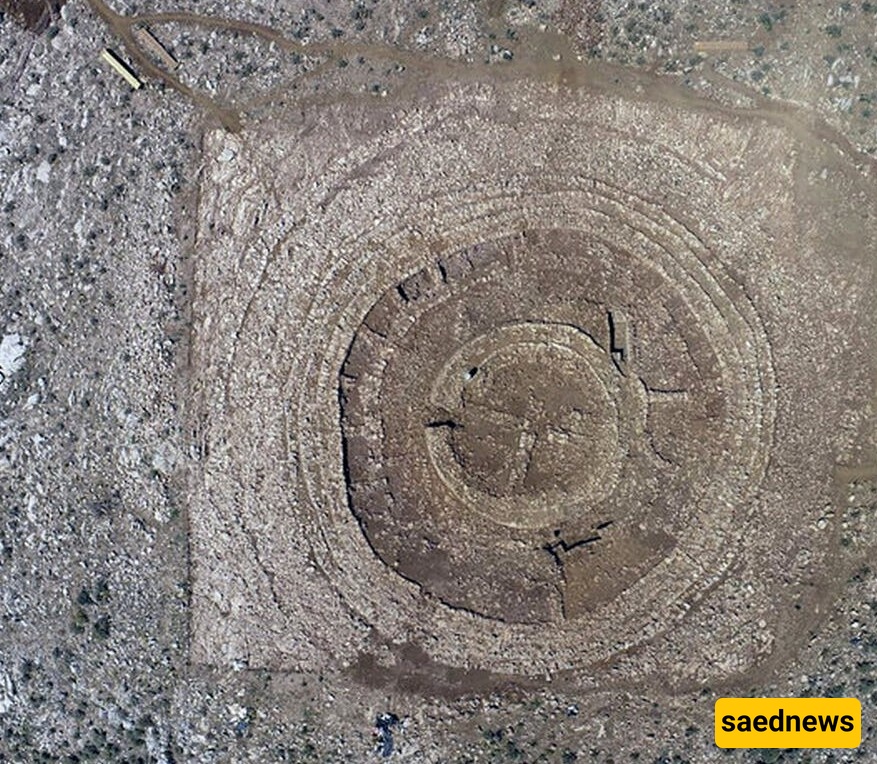
A 4,000-year-old ring-shaped stone structure has been discovered on a hill on the Greek island of Crete, according to Saed News’ Society Desk.
The 1,800-square-meter Bronze Age site was found atop Papoura Hill, northwest of the town of Kastelli, during excavations for a major airport project.
Archaeologists are now studying the site, which is believed to have served a ritual or religious purpose. The structure features a labyrinthine design with eight concentric stone rings averaging 1.4 meters in thickness. Some sections reach a height of 1.7 meters.
The architects behind the structure were part of Crete’s Minoan culture, renowned for building peak sanctuaries—hilltop and mountaintop sites thought to have been used for ancient religious ceremonies.
These locations often contained exquisite examples of Minoan art, including religious architecture, terracotta statues of animals and humans, and in some cases, detached body parts known as “votive limbs,” offered in prayers or as thanks for healing.
It remains unclear whether the circular structure on Papoura Hill qualifies as a peak sanctuary. Aside from its hilltop location, the site bears no resemblance to any other known Minoan structure.
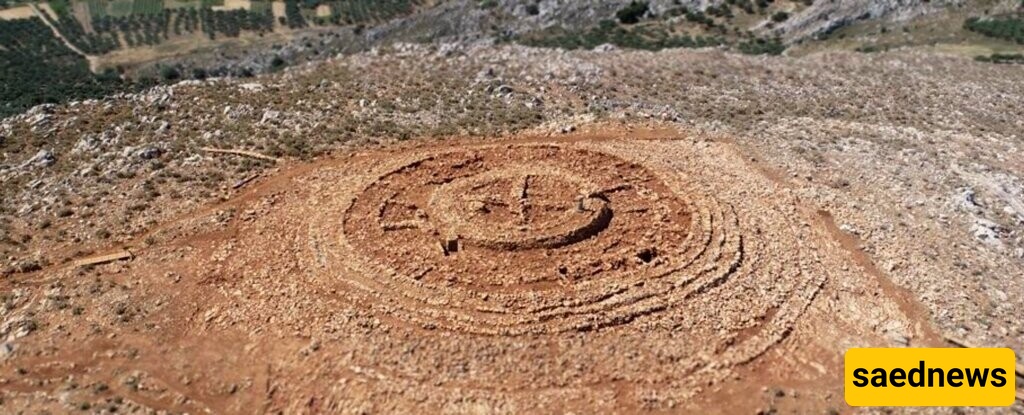
In a statement, Greece’s Ministry of Culture noted: “Due to the presence of a large quantity of animal bones, it is believed the structure may have been used periodically for ritual ceremonies.”
The main period of use is dated between 2000–1700 BCE, during the Middle Minoan period, when Crete’s population grew significantly. As the population expanded, the construction of iconic Minoan palaces began to meet the needs of the growing society.
Palaces were built in locations that had been used for rituals for millennia. Around 1750–1700 BCE, many structures were destroyed, most likely by earthquakes.
After 1450 BCE, the island came under the control of the Mycenaeans from mainland Greece, and many of the peak sanctuaries characteristic of Minoan culture fell out of use. Pottery fragments from the Late Palatial period (circa 1750–1470 BCE) suggest that the site may have been used until the Middle Minoan era.
Construction planning in Greece is challenging, as projects are often halted when new ancient sites are discovered. According to the Ministry of Culture, the Kastelli airport project alone has uncovered at least 35 previously unknown archaeological sites.
The ministry emphasized that the structure will, at least for now, be protected from modern construction.