Saed News: A possible Iran–U.S. agreement could significantly affect China’s relations with Gulf countries. Does Beijing gain more mediation and investment opportunities, or does its balance become disrupted and competition with Washington intensify?
According to SAEDNEWS, in recent days, as draft agreements between Tehran and Washington have been reflected in the media, commercial ships have cautiously but hopefully begun planning to pass through the Strait of Hormuz again. Oil prices, which slightly declined after positive news, highlight the importance of this vital waterway not only for Iran but for the entire global energy chain.
These developments, rooted in direct conflict, come after rising tensions, blockades, and disruptions in shipping that placed pressure on the global economy, affecting Gulf energy suppliers and major Chinese buyers. China, as the largest buyer of Iranian oil (about 90% of exports) and a major trading partner of Saudi Arabia and the UAE (over $100 billion in bilateral trade with each in 2025), finds itself in a complex position. Thus, a possible agreement could bring stability, but at the same time challenge Beijing’s delicate balance between Iran and Gulf Arab states.
Historically, China’s relations with Gulf countries have combined economic interests with smart diplomacy, and Beijing’s mediation in the 2023 Saudi–Iran rapprochement marked a turning point, showing that China acts as more than just an oil buyer. Now in 2026, after the war, Arab countries prioritizing Saudi Vision 2030 and UAE development projects seek stability but remain concerned about a resurgence of Iranian influence. China, meanwhile, maintains deep economic ties with both sides.
From Iran’s economic and foreign policy perspective, such an agreement could open the way for increased exports, investment inflows, and diversified partnerships. But the central question remains: how would a potential Iran–U.S. deal affect China’s relations with Gulf countries? Would Beijing gain more mediation and investment opportunities, or would its balance be disrupted and competition with Washington intensify?
Economically, a possible agreement could strengthen China’s trade relations with the Gulf but also increase competition in the energy market. China is the world’s largest oil importer, and stability in the Strait of Hormuz directly ensures cheaper and uninterrupted energy supply for its industries. Reopening Hormuz and a drop in oil prices (to below $89 according to some data) would reduce China’s import costs and support its post-crisis economic growth.
However, contradictions emerge here. China’s trade with Saudi Arabia and the UAE (over $100 billion each) is far larger than with Iran (around $41 billion). A deal could revive Iran–Saudi competition in oil markets and affect China’s profit margins. Carnegie Institute analyses suggest that Beijing has benefited from purchasing discounted Iranian oil (even under sanctions), but full stability might reduce this advantage. At the same time, China’s dependence on regional stability increases pressure on it to act as a mediator while maintaining balance to avoid alienating Arab partners concerned about Iran’s economic revival.
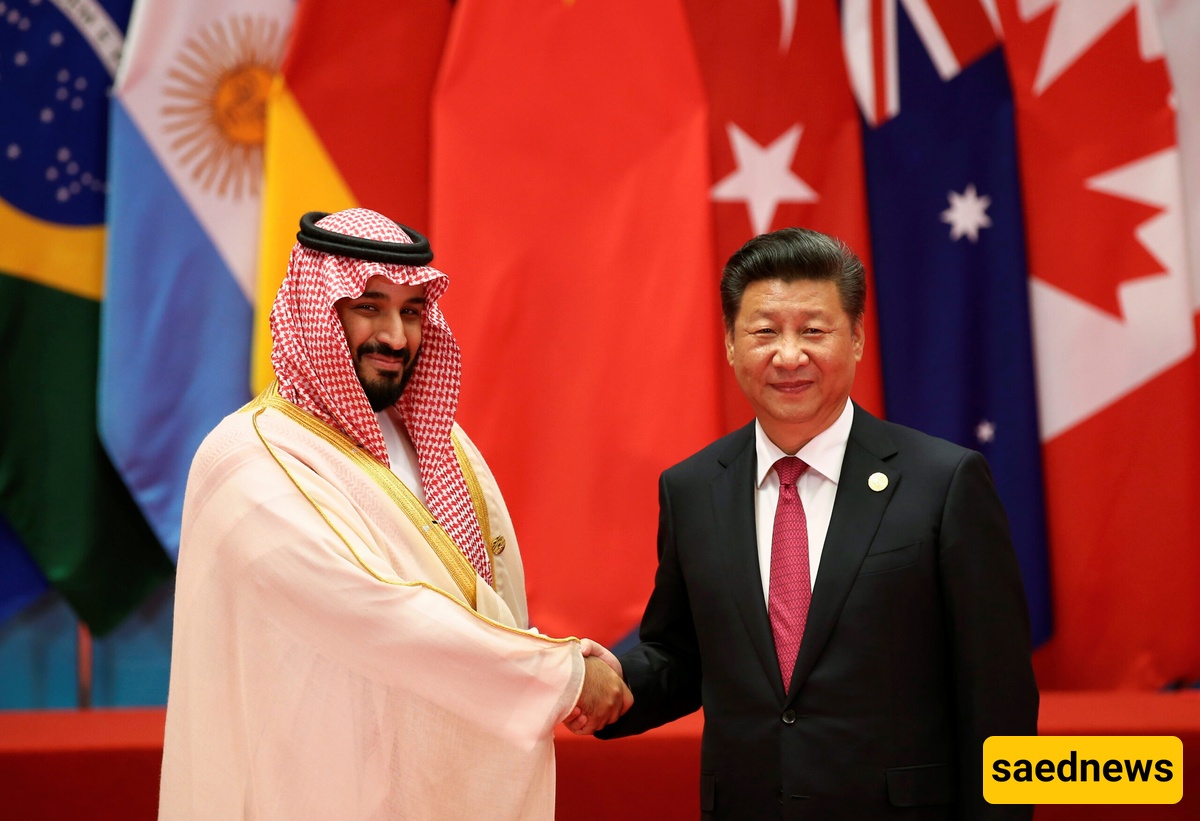
Politically, an Iran–U.S. agreement could both strengthen and challenge China’s diplomatic influence in the Gulf. China positioned itself as a neutral power through the 2023 Saudi–Iran mediation. Now in 2026, frequent contacts between Gulf leaders and Xi Jinping for greater de-escalation roles have reinforced this position. Brookings Institution reports also confirm recent communications between Abu Dhabi, Riyadh, and Beijing.
In such conditions, if a deal leads to a revival of Iranian influence, Arab states may expect China to exert more pressure on Iran. Therefore, Beijing must maintain balance to protect its vast trade with Arab partners. Overall, China is not replacing the U.S. as a security guarantor but is playing a key role in the emerging regional security architecture (Gulf–Iran cooperation).
China’s Foreign Ministry spokesperson has also emphasized an immediate ceasefire and dialogue, while Xi Jinping has insisted in calls on keeping the Strait of Hormuz open. Saudi and Emirati officials have welcomed China’s role but continue to stress regional security concerns. In conclusion, a possible Iran–U.S. agreement could create opportunities for economic stability and diplomacy for China while also sustaining strategic competition. The Middle East appears to be entering a new security architecture.