SAEDNEWS: Iran marked the inaugural International Day against Unilateral Coercive Measures on Thursday by condemning US sanctions as illegal and inhuman, calling them "crimes against humanity."
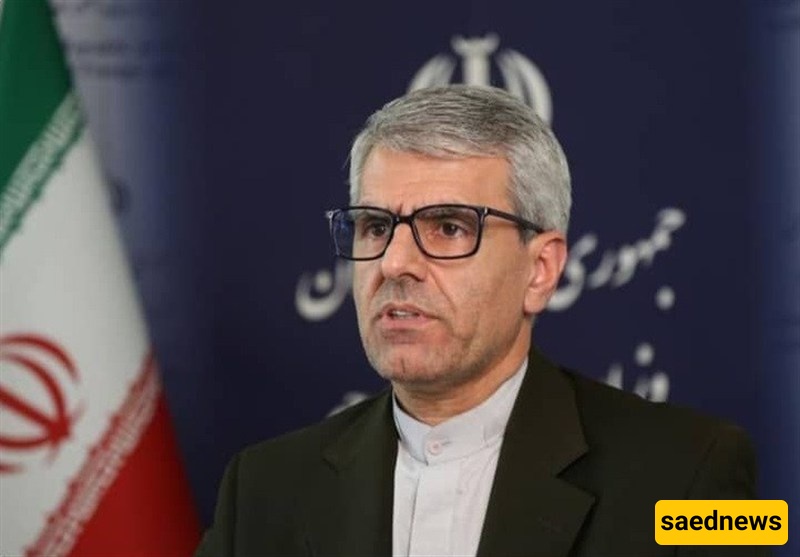
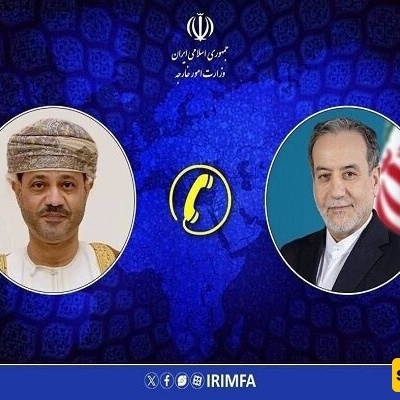
In a statement posted on X, Iranian Foreign Ministry spokesman Esmaeil Baqaei announced that the United Nations General Assembly designated December 4 as an international observance earlier this year through Resolution 79/293.
Baqaei noted that the date aligns with the adoption of the Declaration on the Right to Development on December 4, 1986 (UNGA Resolution 41/128).
According to the spokesman, unilateral coercive measures—primarily economic, financial, and banking sanctions imposed without UN Security Council authorization—systematically violate fundamental human rights, including the rights to life, health, education, and development.
He argued that by intentionally targeting the lives and well-being of entire populations, such measures amount to crimes against humanity.
Baqaei added that “the United States must be held accountable for committing such crimes through its illegal and inhuman sanctions against the peoples of developing countries, including Iran.”
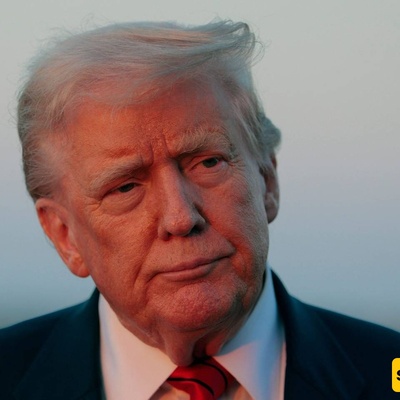
The United States has imposed extensive sanctions on Iran for decades, citing what Tehran calls unfounded concerns about its peaceful nuclear program. Washington reinstated severe sanctions in May 2018 after withdrawing unilaterally from the 2015 nuclear deal under then-President Donald Trump, despite international acknowledgment of Iran’s compliance.
These restrictions have severely limited financial channels needed to import essential medicines, materials, and medical equipment into Iran. Although the U.S. and its Western allies claim humanitarian goods are exempt, Iranian officials say tens of thousands of patients have died or developed life-threatening conditions due to the lack of critical drugs.
Officials in Tehran have long argued that such sanctions collectively punish ordinary citizens and obstruct the country’s socioeconomic development.
The new international day was established by the UN General Assembly in June 2025, following appeals from the Non-Aligned Movement and several developing nations concerned about the humanitarian impact of unilateral sanctions.
Marking the occasion, Iranian authorities reiterated that these measures violate international law and the UN Charter, urging the global community to intensify efforts to eliminate them.
In a related development, a Tehran court in July 2024 ordered the U.S. government and American officials to pay $6.785 billion in damages to Iranian patients suffering from epidermolysis bullosa (EB), a rare and debilitating skin disease. The ruling came after lawsuits filed by 295 EB patients and their families, who argued that U.S. sanctions obstructed the import of vital medications and wound-care supplies needed for treatment.