SAEDNEWS: Ancient Arthropod with Strange Eyes Puzzles Scientists 250 Million Years Later
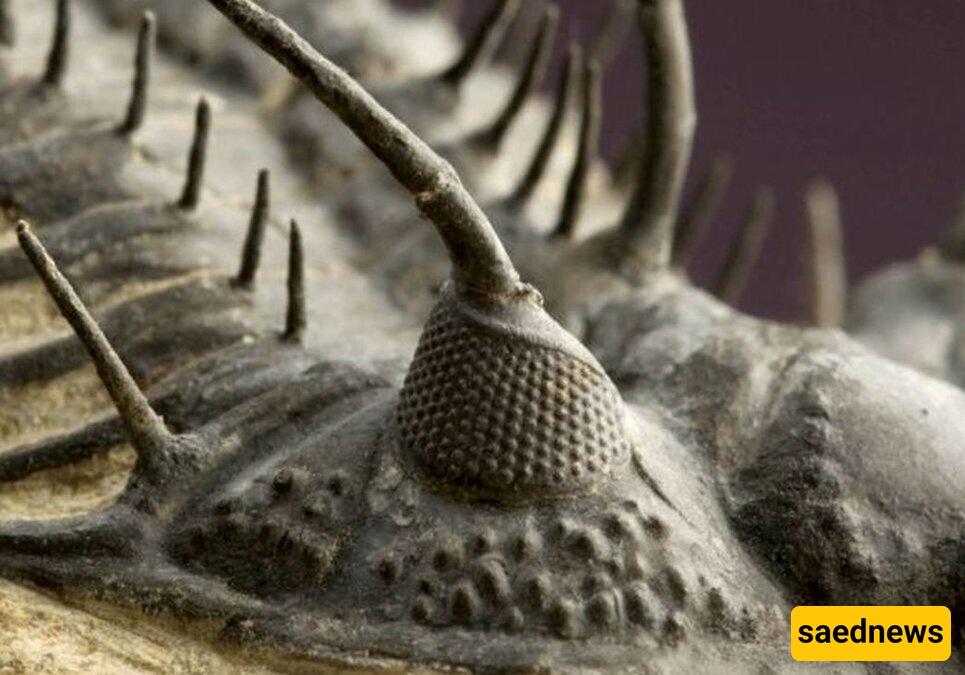
Trilobite eyes were made of hard crystal—more precisely, a mineral called calcite. The development of this type of eye marked a remarkable and unexpected turn in the evolution of animal vision, allowing these early creatures to begin seeing the world around them.
Trilobites went extinct about 250 million years ago, but they had lived on Earth for roughly 300 million years prior. Because their unusual eyes were made of stone, their structure is well preserved in the fossil record.
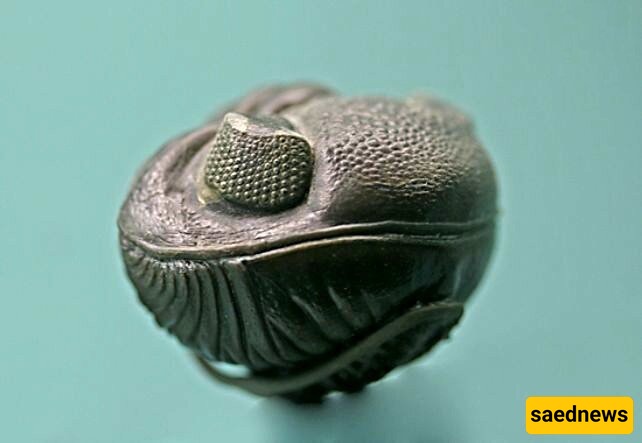
By studying these fossils, scientists have been able to reconstruct the complex structure of trilobite eyes. These eyes were composed of clusters of light-detecting units called ommatidia, each with its own focusing lens.
Pure calcite is transparent, allowing light to pass through and be focused. Like insects, trilobites likely did not form perfectly sharp images of their surroundings, but their eyes were highly sensitive to movement.
One of the most astonishing features of these stone eyes is the presence of double lenses, arranged in two separate layers within each ommatidium. This dual-lens arrangement corrected light refraction, giving the animal enhanced vision. Interestingly, these types of lenses were first created in the 17th century by René Descartes and Christiaan Huygens—though trilobites had been using them hundreds of millions of years earlier.
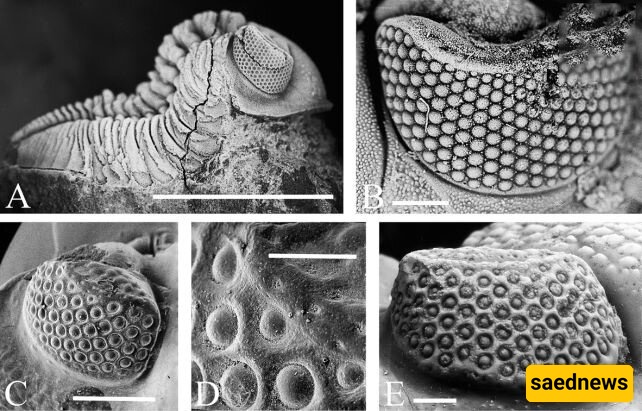
Yet mysteries remain. Trilobites evolved different types of eyes at different times, and scientists still do not fully understand how some of these eyes functioned.
Recent studies suggest that the complexity of trilobite eyes may have been even greater than previously thought. Each visual unit may have acted as an individual eye, combining to form what could be described as a “super-eye.”
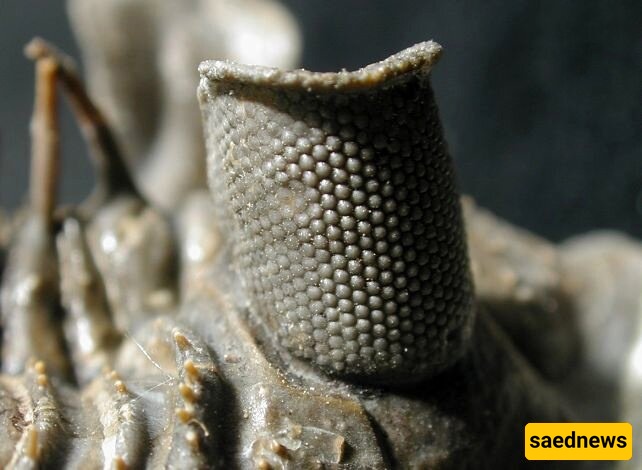
How these stone eyes originated and exactly how they functioned remains unclear. Nevertheless, ongoing research continues to shed light on these remarkable organs, offering new perspectives on the evolution of animal vision.


















![[Video] Two Aircraft Intercepted Near Trump Golf Club After Entering Restricted Airspace](https://en.saednews.com/storage/files/post/678cf3b4-38d3-4114-b229-5316bfbe9da7-vOkXyCloq1rXAPV1/1x1-image.jpg)