SAEDNEWS: If You Think You Might Be Pregnant, It’s Best to Check All the Early Signs—It Could Really Be Happening

Sometimes, even before you miss a period, you might suspect—or hope—that you’re pregnant. For some women, pregnancy symptoms begin within the first few weeks after conception, while for others, they appear later. The intensity and duration of these symptoms can vary, and early pregnancy signs are only a guide—many early pregnancy symptoms can resemble typical premenstrual discomfort.
Although the only definitive way to confirm pregnancy is a blood test, there are several early signs that can give you clues, which we explore in this section.
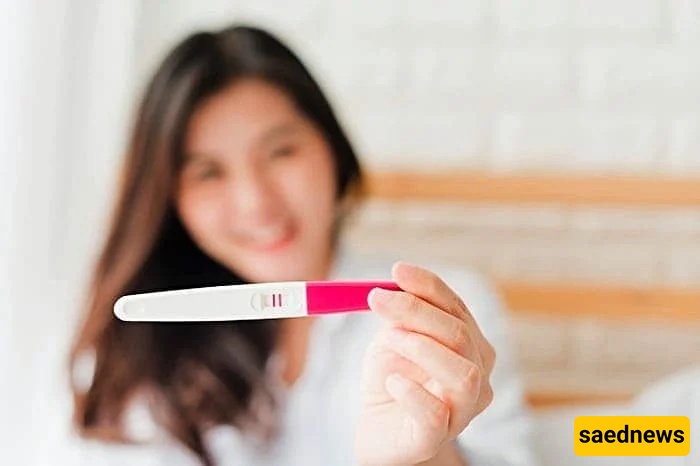
Tender and Swollen Breasts
Your breasts may be one of the first indicators of pregnancy. Hormonal changes can make them sensitive, tingly, or painful just two weeks after conception. You may also notice that your breasts feel fuller or heavier than usual.
Excessive Fatigue
During early pregnancy, progesterone levels rise. High doses of progesterone can increase sleepiness while lowering blood sugar and blood pressure, and increasing blood production to provide the energy you need during pregnancy.
Mild Bleeding or Cramping
Sometimes, a small amount of spotting or vaginal bleeding occurs around 10–14 days after ovulation when implantation happens. This type of bleeding is usually lighter, more muted in color, and shorter in duration than a normal period. Some women also experience mild abdominal or muscle cramps early in pregnancy, similar to menstrual cramps.

Nausea With or Without Vomiting
Morning sickness—or nausea at any time of day—is a common early pregnancy symptom. For some women, it begins around two weeks after conception. Rising estrogen levels may contribute to nausea by speeding up stomach emptying. Pregnant women may also have heightened senses of smell, causing nausea at the scent of food, perfume, or smoke.
Food Aversions and Cravings
It’s common to develop aversions to certain foods like coffee or fried items and to experience unusual cravings. These symptoms often continue through the first trimester, when hormonal changes are most pronounced.

Headaches
Hormonal changes and increased blood circulation in early pregnancy can lead to frequent, mild headaches.
Constipation
Increased progesterone slows the movement of food through the intestines, which can lead to constipation.
Mood Swings
Hormonal fluctuations in early pregnancy can make you unusually emotional, sometimes causing you to cry without reason. Mood swings are more common in the first trimester and usually ease later in pregnancy.
Weakness and Dizziness
As your blood vessels expand, your blood pressure may drop, causing dizziness. Low blood sugar in early pregnancy can also result in weakness and fatigue.

Basal Body Temperature Increase
Your basal body temperature—measured when you first wake up—rises slightly after ovulation. If it remains elevated for more than two weeks, it could indicate pregnancy.
Missed Period
One of the clearest early signs of pregnancy is a missed period. Some women may have a much lighter period than usual or none at all. You might not experience any other symptoms until you notice this absence.
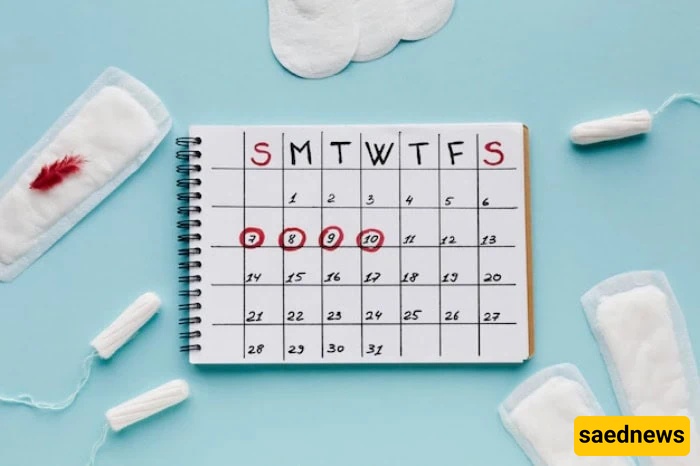
Feeling Pregnant
Some women have a “sixth sense” about pregnancy, which is often accurate. You may simply feel different—more tired, moody, or unusually sensitive. You might also experience mild headaches, heartburn, constipation, or frequent urination. You may notice back discomfort, breast tenderness, or other subtle changes in your body.
Remember that in the first week, any symptoms you experience are related to your period because you are not yet pregnant. These early symptoms may last three to seven days and can include:
Vaginal Spotting: Your body is clearing the uterus while retaining an immature egg from the previous month.
Back Pain and Cramps: Normal uterine changes during this time can cause mild back discomfort.
Abdominal Bloating: Hormonal fluctuations may cause bloating before or during your period.
Mood Swings: Certain hormones can make you irritable or emotionally sensitive.
Headaches: Many women experience menstrual migraines, which are hormonally related. Ice packs, over-the-counter pain relief, and relaxation exercises may help reduce discomfort.