SAEDNEWS: The discovery of food remnants in a 2,000-year-old villa in the buried city of Pompeii reveals that the villa’s slaves received dietary supplements, including pears, apples, and protein-rich legumes.
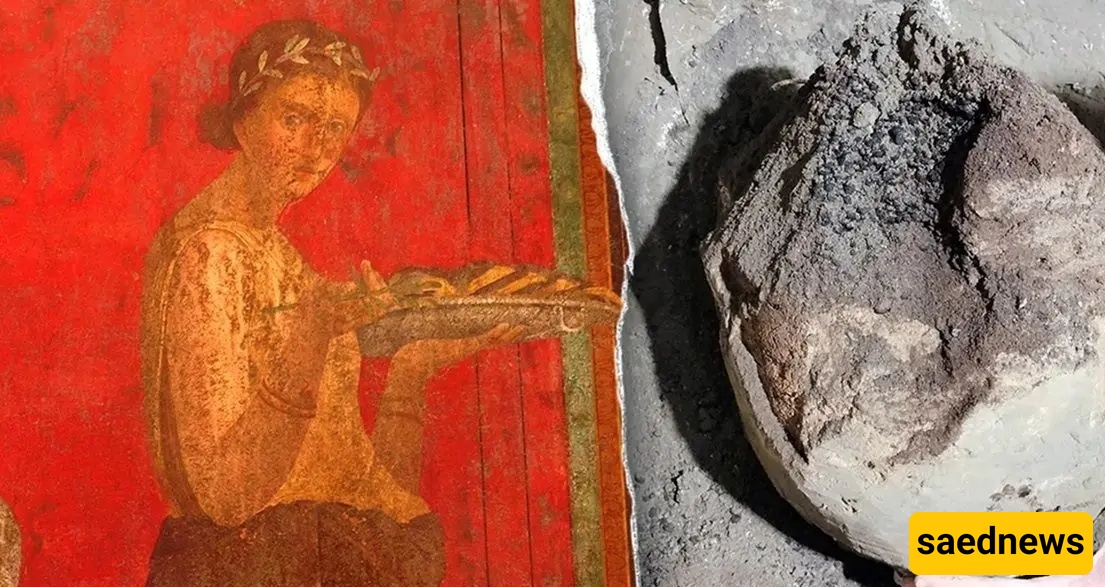
Archaeologists in Italy have recently uncovered preserved food remains in the ancient city of Pompeii, shedding light on what slaves ate before Mount Vesuvius erupted: beans and fruit.
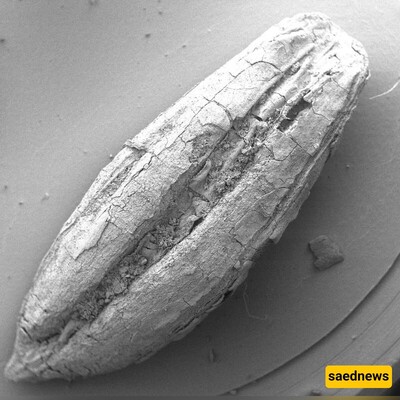
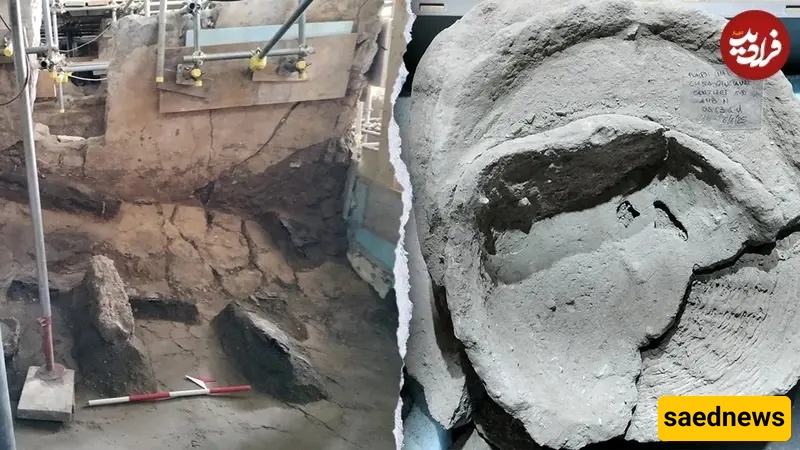
In an early December Facebook post, the Pompeii Archaeological Park reported that the remains were found in rooms designated for slaves at the Villa of Civita Giuliana. The discoveries included a large basket of fruit—“pears, apples, or sorbs”—and jars filled with beans. These provisions were located in the slave quarters beneath what is now Via Giuliana.
The park’s statement noted: “These foods were supplements for the men, women, and children living in 16-square-meter cells, each furnished with three beds. The villa owners, who regarded these workers as valuable production tools—some worth several thousand sesterces—considered it appropriate to enrich their grain-based diet with vitamin-rich fruits and protein-packed legumes.”
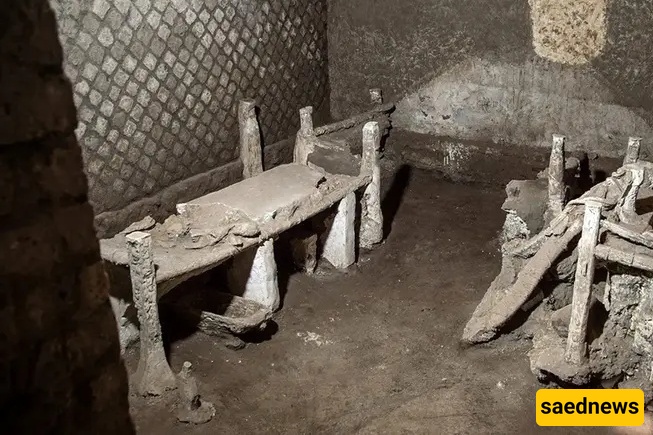
The villa’s slave quarters, the largest known in the region, housed dozens of workers in extremely cramped conditions. Experts estimate that the 50 workers in this section would have required roughly 40,785 pounds of grain annually.
In a striking contrast, the archaeological park reported that the slaves’ diet was nutritionally superior to that of their “free” counterparts.
“To prevent malnutrition-related illnesses and ensure maximum productivity, dietary supplements were essential,” the study explained.
As a result, some slaves were better nourished than legally free citizens, who often struggled to meet basic nutritional needs and relied on the wealthy for assistance.
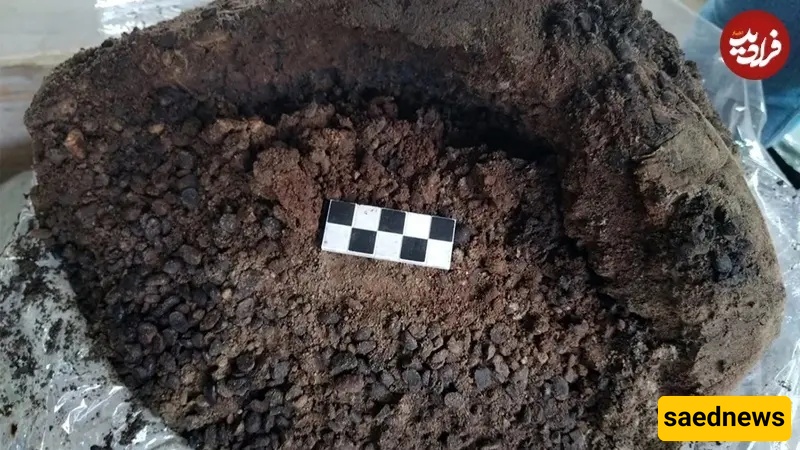
Archaeologists found jars of legumes and baskets of fruit stored in the upper floors of the slave quarters at the Pompeii villa. Park officials suggested two possible reasons for this placement: to protect the food from pests such as rodents—remains of which have been found in the lower dirt-floored rooms—and to allow for rationing and control based on work type, age, or gender. Food storage on upper floors may have been overseen by trusted slaves supervising others, a practice supported by previous studies of these quarters.
In a separate statement, Gabriel Zuchtriegel, the park director, said the findings highlight “the hollowness of the ancient slave system.” He, one of the study’s authors, added: “Humans were treated like tools, like machines, yet humanity cannot be so easily erased. The line between slave and free was always blurred. We breathe the same air and eat the same food, and sometimes slaves were better nourished than so-called free people. Thinkers such as Seneca or Saint Paul were right to suggest that, in some way, we are all slaves—or at least spiritually free.”
This study is one of several fascinating discoveries in 2025 about diet in ancient Rome. Earlier this year, researchers published findings on garum, a popular fish sauce enjoyed throughout the Roman Empire.