SAEDNEWS: Decades ago, excavations in Qeytarieh and Darous suggested that Tehran was around 3,000 years old. However, municipal sewer excavations in January 2015 pushed the city’s history back over 4,000 years, revealing evidence of ancient civilization and human settlement in the region.
According to Saed News’ social affairs service, a property owner in the Tehran Bazaar area once allowed archaeologists to conduct excavations. At that time, the technical committee of the Cultural Heritage Department, responding to a municipal inquiry, wrote that, in coordination with the owner and the municipality, a maximum budget of 3 to 4 million tomans should be provided by the owner. With the owner’s consent, researchers were able to access these findings.
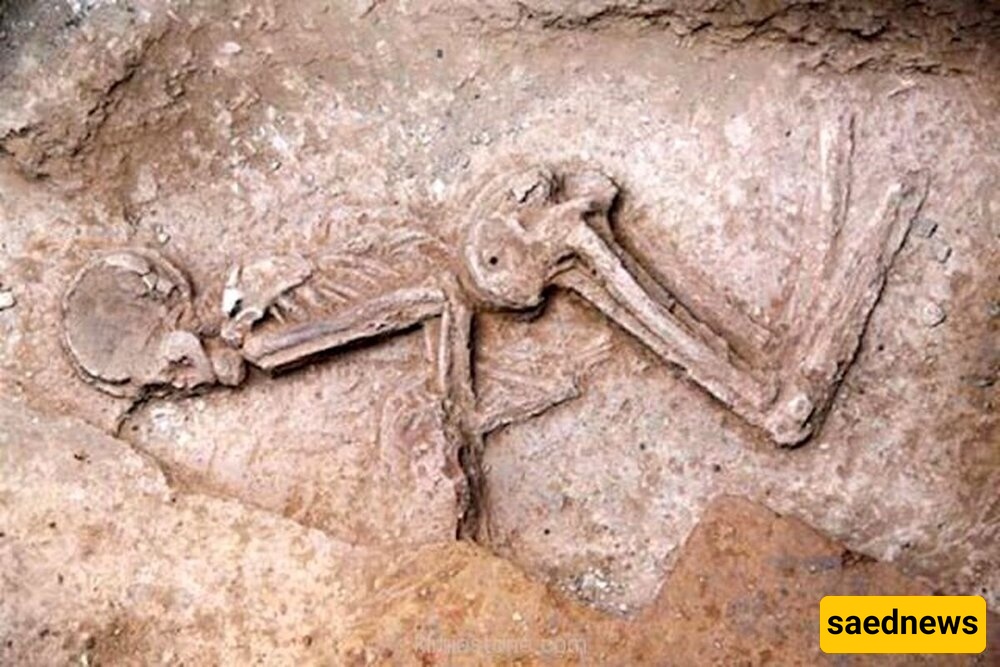
Discovery of a 7,000-Year-Old Female Skeleton
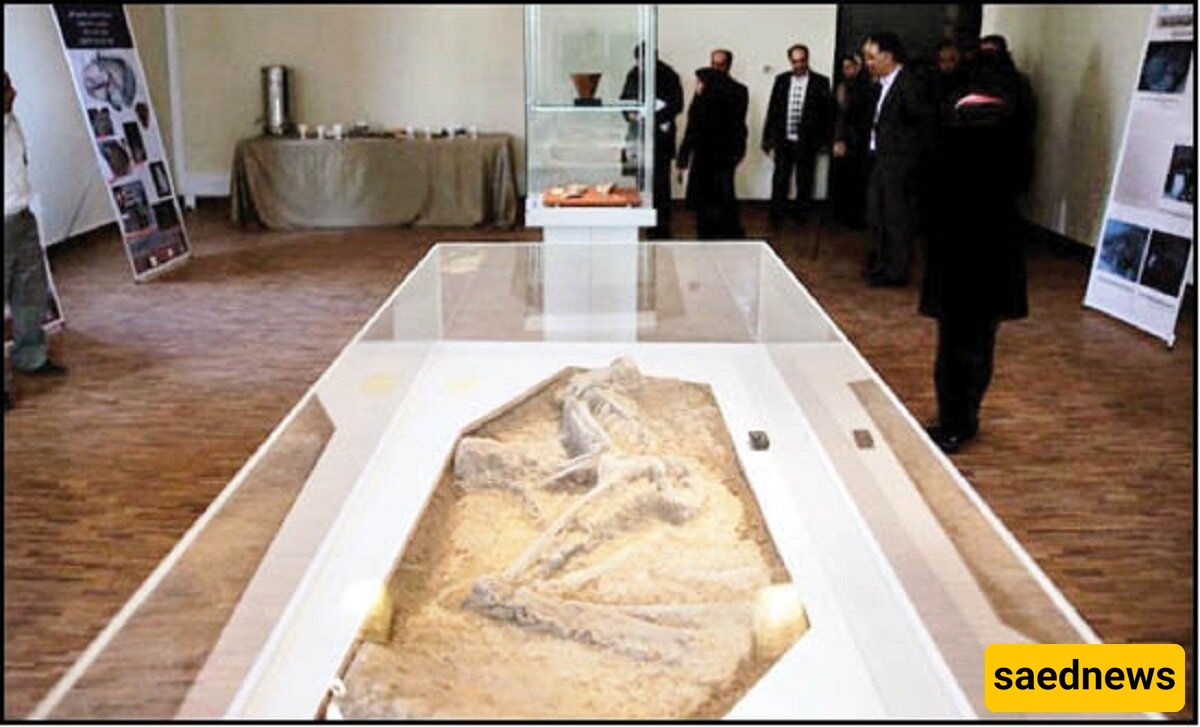
Maryam Ma’ani, a university professor, archaeologist, and researcher in archaeological sciences, estimates Tehran’s history to span more than 7,000 years. She cites clear evidence for this claim: “During sewer excavations on Molavi Street in Tehran, the skeleton of a woman was discovered, dating back approximately 7,000 years to the Neolithic period. This remarkable finding reshaped historical perspectives and our understanding of Tehran’s age.”
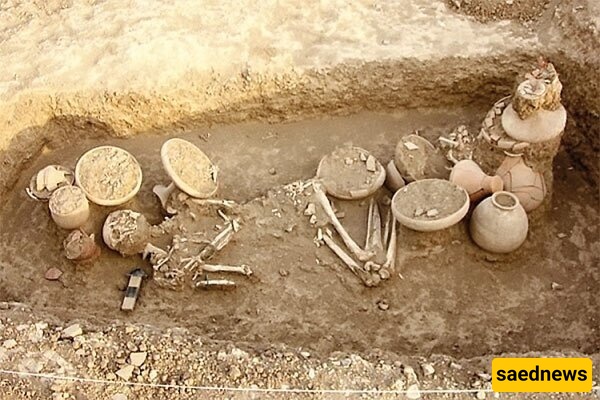
In Farvardin 1393 (March–April 2014), following an inquiry from Tehran’s District 12 municipality regarding the demolition and reconstruction of a shop in the Sandogsazan Bazaar, archaeologists encountered a wall with historical piers. At every few centimeters of depth, they uncovered historical artifacts; three pieces of pottery at varying depths were recovered by Ghadir Afravand. Later, in Aban 1393 (October–November 2014), a master’s student in archaeology at the University of Tehran, passing through the Molavi area during sewer line installation, noticed stone foundations, abundant square bricks, historic pottery, bones, metal objects, furnace slags, and more in the worksite. His follow-up led to the start of formal archaeological excavations and the discovery of a human skeleton dating to the 5th millennium BCE—around 7,000 years ago. Preliminary analyses using laser scanning and specialized examinations confirmed that the skeleton belonged to a woman buried at this site 7,000 years ago.