SAEDNEWS: Archaeologists have uncovered an unusual hospital and cemetery beneath the waters of a Florida national park. When do these sites date back to, and why were they hidden from the rest of the population?
![Amazing Discovery of an Underwater Cemetery and Strange Hospital [Photos]](https://en.saednews.com/storage/files/post/ba04515a-5ee5-4de0-b58a-21d06e75622b-Eb65x2MHjxeUtI2h/image.jpg)
According to Saed News, Florida’s Dry Tortugas National Park recently became the site of a remarkable archaeological discovery. Researchers uncovered the remains of a hospital and a cemetery that once existed on an island in the 19th century but are now submerged underwater.
Investigations indicate that the cemetery was formerly known as the Fort Jefferson Post Cemetery, while the hospital operated between 1890 and 1900 as a quarantine and treatment center for yellow fever patients. Fort Jefferson, originally a coastal military fort owned by the U.S. Army, was later repurposed as a prison during and after the American Civil War.
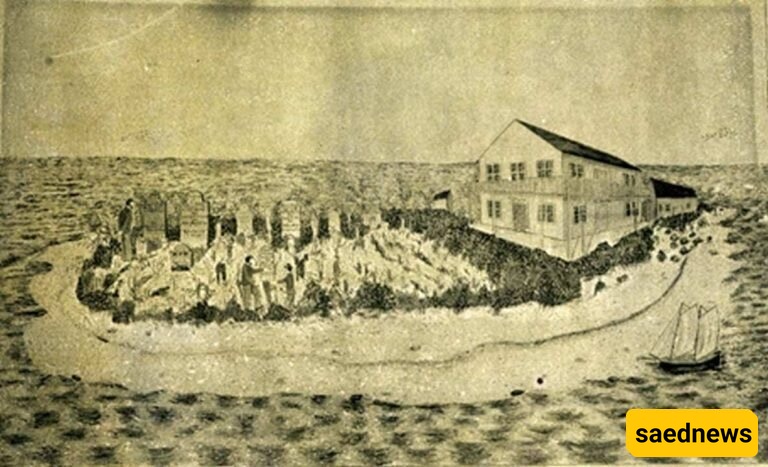
Even after its time as a prison, the fort’s fate was far from glamorous. Between 1888 and 1900, it became a holding site for individuals afflicted with dangerous and contagious diseases. The research team even identified one grave belonging to John Green, a worker at the fort, who died on November 5, 1861. The large stone marking his grave was made from the same material used for the fort’s first floor.
Fort Jefferson is historically known in the U.S. for housing notorious and violent prisoners. Yet the discovery of the submerged hospital and cemetery now offers a glimpse into the lives of enslaved men, women, and children, as well as the workers who served at the fort—stories that traditional history often overlooks.
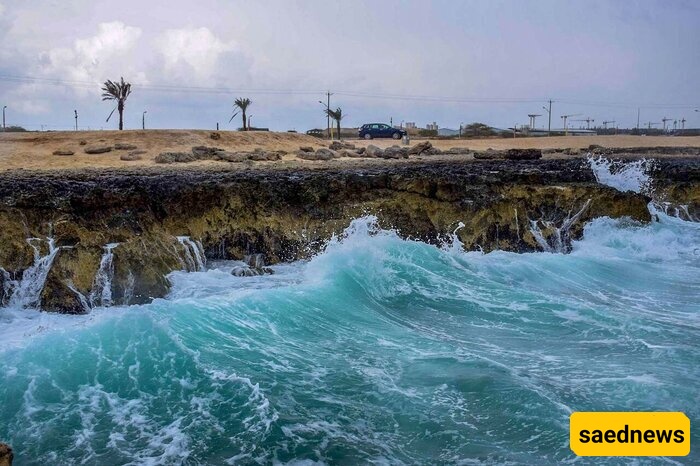
The fort’s residents included military personnel, prisoners, enslaved people, engineers, laborers, support staff, and their families. Between 1860 and 1879, deadly infectious diseases like yellow fever severely impacted the community, claiming numerous lives. While the fort’s hospital and cemetery were initially built to manage these outbreaks, rising waters due to climate changes eventually submerged these sites, altering the narrative of the fort’s history.