SAEDNEWS: In a recent study, Shay Gordin and colleagues at Ariel University developed an artificial intelligence model capable of automatically translating texts written in Akkadian using cuneiform script into English.
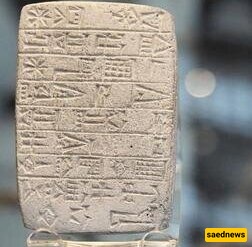
Researchers have now developed a tool that can translate cuneiform texts written in Akkadian into English—marking a significant breakthrough in the study of ancient languages. Currently, this tool works exclusively for Akkadian and is not yet available for other cuneiform-based languages, but even this represents remarkable progress.
Over the years, scholars have uncovered thousands of cuneiform texts in both Sumerian and Akkadian. Now, a neural network has been trained to translate these texts smoothly and accurately into English.
Akkadian is one of the earliest known Semitic languages, part of the same family that includes modern languages such as Arabic and Hebrew. It was widely used in ancient Mesopotamia, particularly in the Akkadian Empire, which covered areas that are now part of Iraq and northeastern Syria. The empire takes its name from the ancient city of Akkad, a central hub of Akkadian civilization.
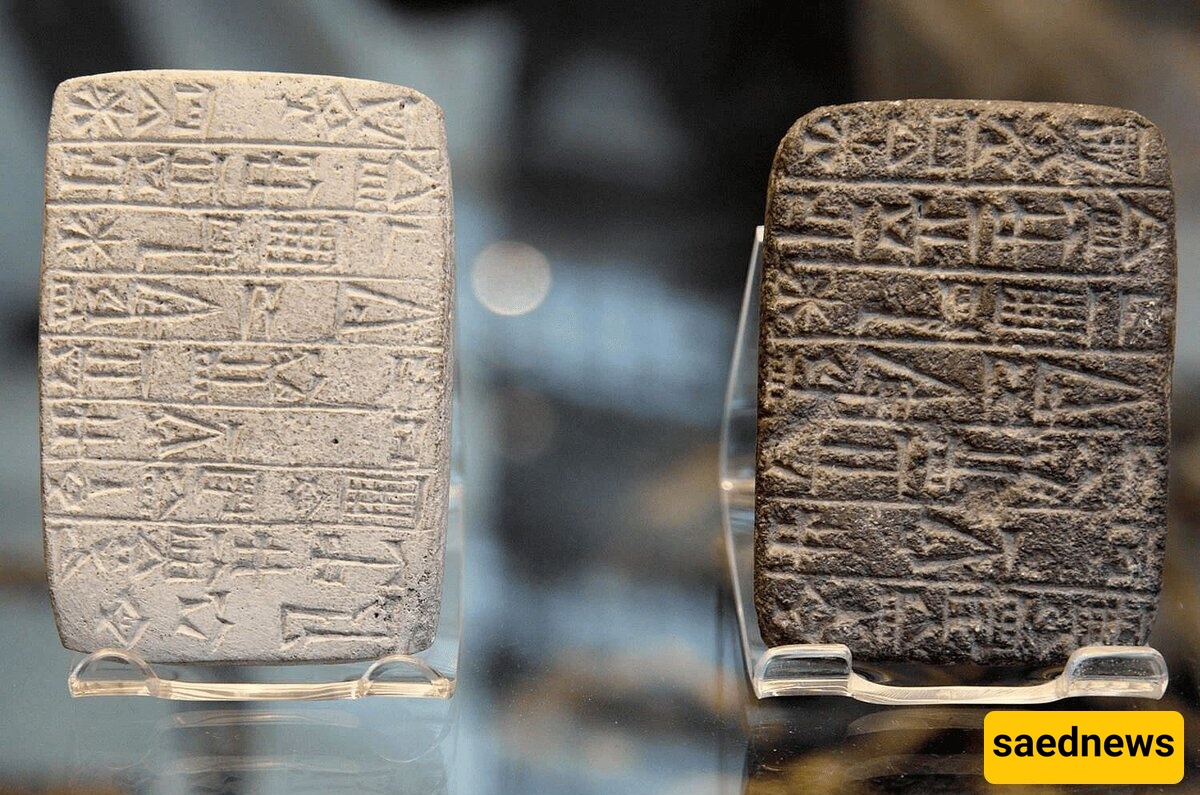
Akkadian texts served a wide range of purposes, from administrative and legal documents to literary and scientific works. Written in cuneiform on clay tablets, these texts were largely indecipherable until the 19th century, when their translation opened a window into the history, culture, and scientific achievements of the time.
Sumerian, by contrast, is one of the world’s oldest known languages and is considered a language isolate, meaning it has no known relatives. It was used in ancient Sumer, located in what is now southern Iraq. The Sumerians were among the earliest civilizations, emerging around 4500 BCE and thriving until roughly 2000 BCE.
Both languages—and several others—used cuneiform writing, but over centuries, translating cuneiform remained a formidable challenge.
Fully deciphering cuneiform took over 200 years, from 1802 to 2022. The effort began with the Bisitun inscription in Iran, dating back to the reign of Darius I in 550 BCE. This trilingual inscription featured Old Persian, Elamite, and Akkadian cuneiform. Decoding the Old Persian script provided clues that eventually led to understanding the other two scripts.
Scholars gradually developed a strong grasp of cuneiform, but they sought to make translations widely accessible. This pursuit led them to artificial intelligence.
Recent advances in AI have revolutionized language translation. Researchers, including Shay Gordin and colleagues at Arel University, have trained a model capable of automatically translating Akkadian cuneiform texts into English. Although currently limited to Akkadian, this development is considered a substantial milestone.
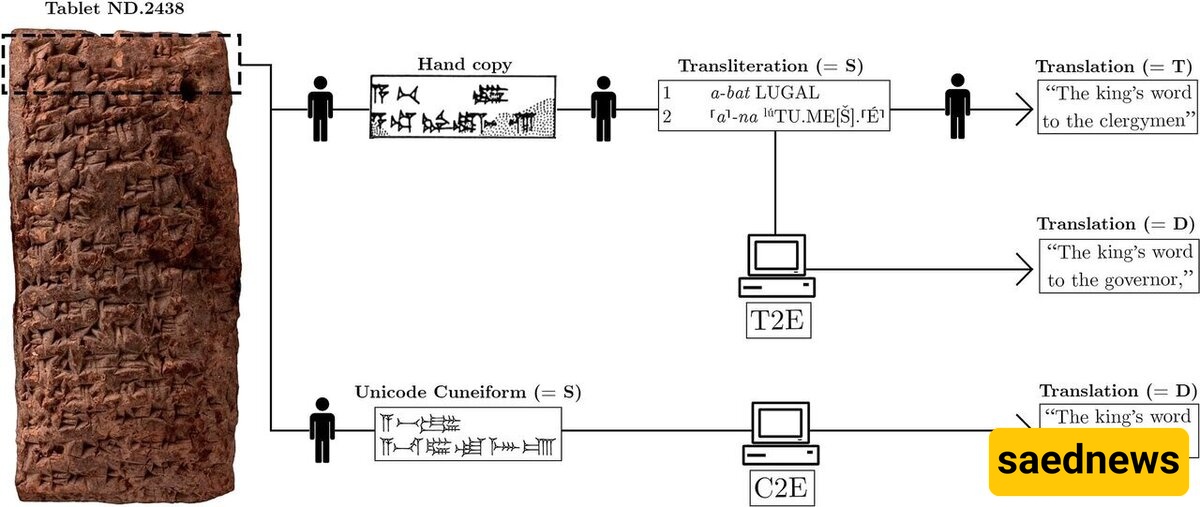
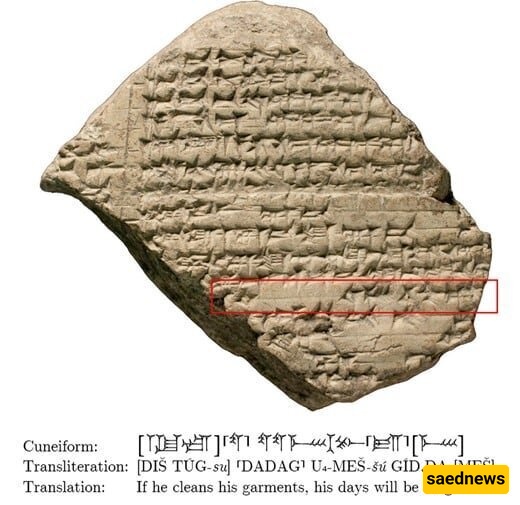
This work builds on Gordin’s previous studies exploring AI-assisted cuneiform translation. Two versions of the model were trained: the first converts Akkadian cuneiform into a romanized script (transliteration), while the second works with Unicode representations of cuneiform signs. The first version performed better, scoring 37.47 on the BLEU-4 metric, which evaluates machine translation quality against human translations. A score of 37 is remarkable for a language like Akkadian, indicating a highly usable translation.
In most cases, these AI-generated translations provide invaluable first drafts. Scholars anticipate that AI will aid researchers and students who wish to study these ancient languages in detail.
As this technology becomes more widespread, its applications could extend to classrooms, museums, and interactive historical experiences, allowing unprecedented engagement with the past. The intersection of AI and ancient studies offers a thrilling glimpse into how technology can reshape our understanding of history and the civilizations that shaped human culture.